The margin between survival and catastrophe in fast-moving water is often measured in seconds and fragile barriers. When a vehicle entered a river amid floodwaters in Gebze, Kocaeli, the sudden inundation transformed an ordinary transit into a desperate struggle against the current. Inside, passengers were confronted with the immediate reality of rising water, where standard exits quickly become immovable against outside pressure.
In that critical juncture, survival depended on an immediate, forceful reaction. Mustafa Deniz Ertaş, who was behind the wheel, managed to escape the submerged cabin alongside companions by breaking through the car window. That singular act of breaking glass allowed Ertaş and his friends to pull themselves from the vehicle and reach safety, even as the waters overwhelmed the car.
While Ertaş was rescued and survived the immediate plunge, the relief of that escape was instantly overshadowed by what remained unresolved beneath the surface. Two passengers—Fatih Demirtaş and Doğan Arslan—did not emerge from the river with the others. The incident quickly shifted from an immediate self-rescue to a structured, multi-agency search and rescue operation.
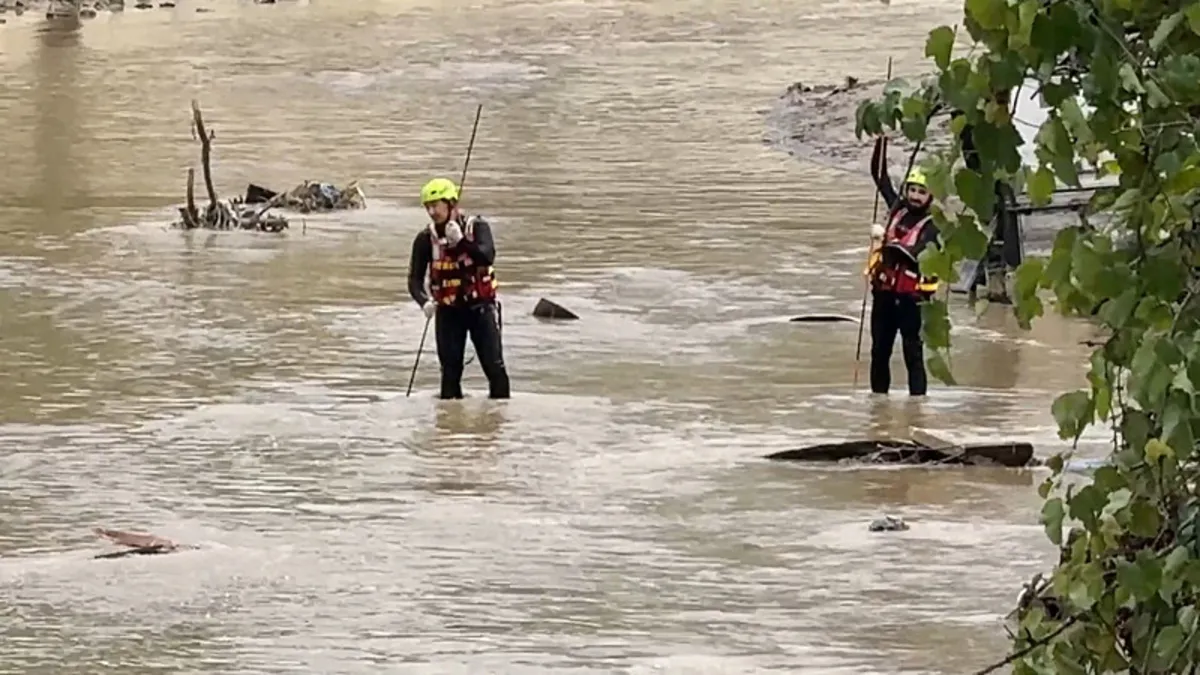
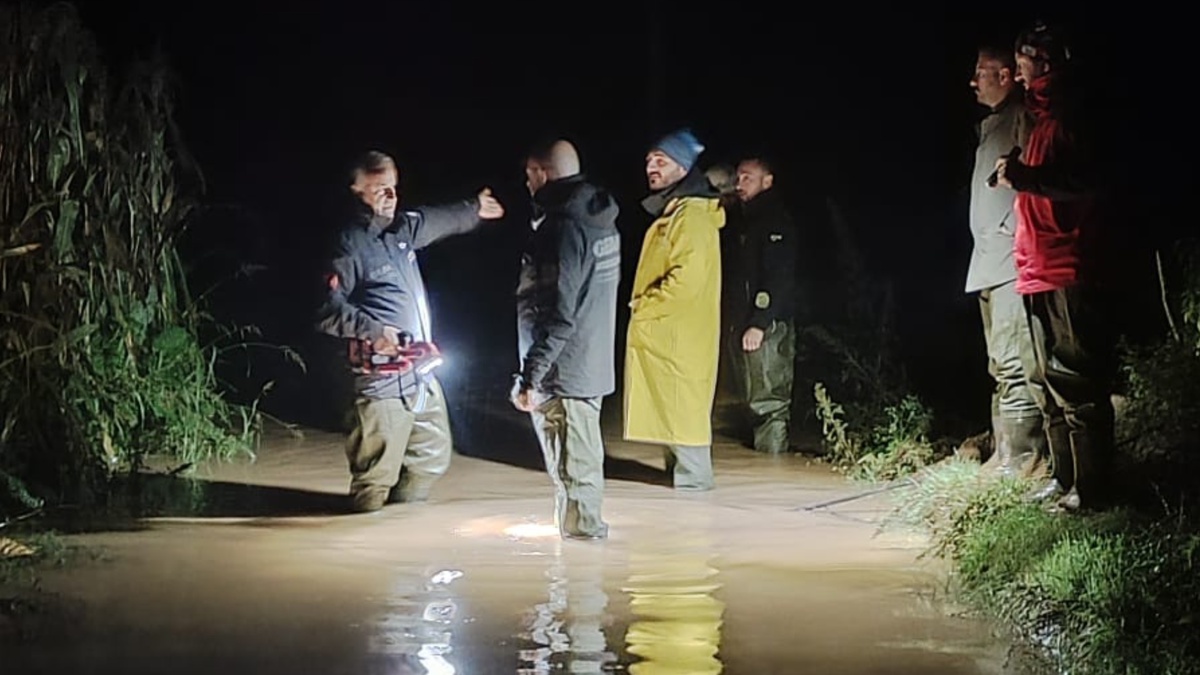
The search effort mobilized to trace the path of the current, scanning the riverbanks and downstream channels for any sign of the missing men.
In incidents involving submerged vehicles and swollen waterways, search operations face fluid and unforgiving conditions. Waterways in flood conditions can rapidly displace objects and individuals over vast distances, requiring rescue personnel to expand their perimeter far beyond the original point of impact in Gebze. The search effort mobilized to trace the path of the current, scanning the riverbanks and downstream channels for any sign of the missing men.
As the search progressed, the geographical scale of the tragedy became apparent. The force of the water carried the aftermath well beyond the immediate district of Gebze, leading search teams into neighboring jurisdictions. The operation ultimately culminated in Istanbul, where search and rescue units located the bodies of both Fatih Demirtaş and Doğan Arslan.
Their remains were discovered in downstream locations, including Pendik and Büyükdere. The recovery of the two victims confirmed the darkest fears of the emergency personnel who had combed the waterways since the vehicle capsized, marking a somber conclusion to an extensive inter-provincial search.
Following their recovery from the water, the bodies of Demirtaş and Arslan were transferred directly to the Forensic Medicine Institute. Such procedures remain a standard and vital protocol, establishing official records and formal identifications before victims can be released to their grieving families.
For the community and the families left behind, the administrative and forensic procedures soon gave way to the rites of mourning. On October 19, 2023, the day following the tragedy, mourners gathered at Şakirin Camii to hold the funeral service for Fatih Demirtaş. The service marked the final passage of an ordeal that began in the violent rush of floodwaters in Gebze, leaving a community to reckon with how quickly an ordinary journey could be irrevocably altered.