
The shadow of violence cast long over the Bihar assembly election campaign has now solidified into a legal reckoning. On October 30, 2025, Dularchand Yadav was killed during a violent clash between supporters in Mokama. The incident occurred amidst the political fervor of the state's election cycle, marking the beginning of a complex web of criminal allegations that would eventually reach the highest court in the land.
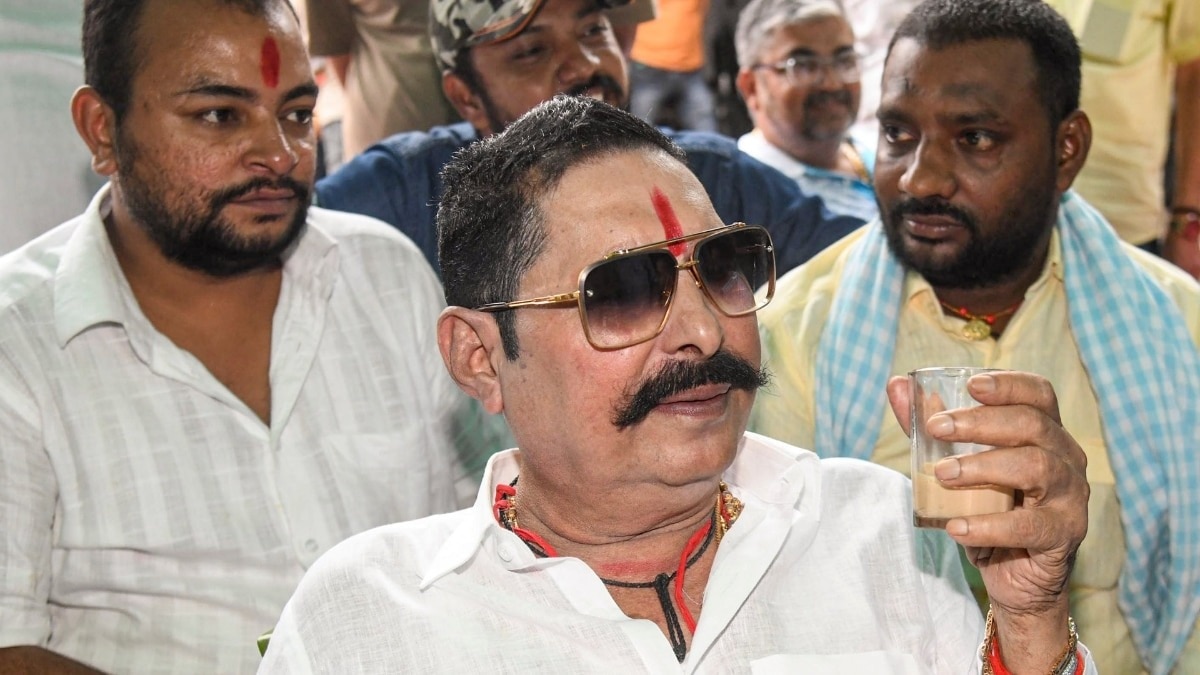
One year after the murder, the family of the victim sought clarity from the judiciary. Neeraj Kumar, Dularchand Yadav's grandson, filed a petition challenging the Patna High Court's decision to grant bail to Anant Kumar Singh, the MLA from Mokama. This legal challenge was not merely procedural; it represented a desperate attempt to hold those responsible accountable for a killing that happened under the guise of political campaigning. The timing was critical, coinciding with the one-year anniversary of Yadav's murder, a date that turned the courtroom into a place of remembrance and retribution.
The Supreme Court of India delivered a significant blow to Anant Singh by refusing to extend his bail. In a decisive move, the court ordered him to surrender by December 1. This ruling effectively closed the door on any possibility of continued freedom while the investigation proceeded. The court issued this directive while hearing the petition filed by Neeraj, signaling that the judicial system was prepared to prioritize the gravity of the charges over temporary liberty for the accused.
The government demanded the cancellation of the bail granted to him by the Patna High Court, reinforcing the severity of their position before the supreme court.

Mokama MLA Anant Singh on Friday (October 30, 2026) said he would comply with the Supreme Court's directive to surrender by December 1 in the Dularchand Yadav murder case, alleging that JD(U) MLC Neeraj Kumar had conspired to implicate him in the case. https://t.co/HT29WNPIWC
In support of the prosecution, the Bihar government took a strict stand against the MLA. The state submitted an affidavit to the Supreme Court stating that the charges against Singh and other accused were correct. According to the affidavit, Anant Singh faces a total of 62 criminal cases. This number underscores the extent of the legal entanglement surrounding the case, suggesting that the murder was part of a broader pattern of alleged misconduct rather than an isolated incident. The government demanded the cancellation of the bail granted to him by the Patna High Court, reinforcing the severity of their position before the supreme court.
Beyond the courtroom, the political fallout for Anant Singh has been equally severe. The Janata Dal United (JDU) has expelled Anant Singh and his wife, former MLA Neelam Devi, from the party for six years due to anti-party activities. Furthermore, the party issued a notice for vacating their government residence. This expulsion highlights how the legal proceedings have permeated the party structure itself, isolating the accused from the very political machinery he once operated within. The six-year ban serves as a formal severing of ties, leaving Singh without the institutional backing of the JDU.

Anant Singh Vs Neeraj Kumar के बाद अब क्या Lalan Singh से भी होगा टकराव, JDU में सब ठीक नहीं ? @Indra_MohanK https://t.co/STrre51da9
With the charge sheet filed against Anant Singh and others on January 1, 2026, the formal criminal process has officially commenced. However, the immediate pressure remains on the MLA to comply with the Supreme Court's order. The deadline for surrender is set for December 1, providing a clear timeline for the transition from legal defense to physical accountability. As the case moves forward, the focus shifts from the initial plea to the final judgment, ensuring that the memory of Dularchand Yadav is not overshadowed by prolonged uncertainty.