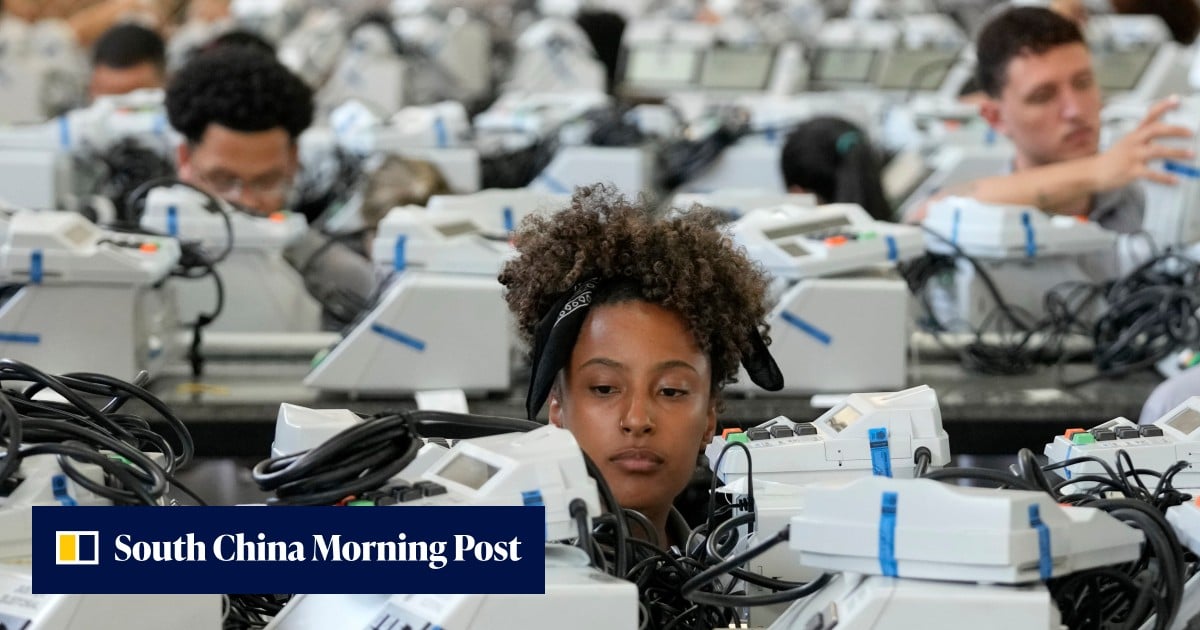
In the days leading up to Brazil’s presidential runoff election, the political atmosphere in the country is charged. The stakes are high, with the outcome of the election set to determine the future of Brazil’s political landscape.

On October 4, the first round of the presidential election took place. However, the tension between Lula and Bolsonaro escalated just days later. Lula’s campaign has accused Meta, the parent company of Facebook and Instagram, of suppressing his online content to boost Bolsonaro. According to Lula’s legal team, technical issues on Instagram have affected the visibility of Lula’s posts, giving Bolsonaro an unfair advantage. Lula’s lawyers have included these incidents in a list of alleged interference, which they submitted to the Superior Electoral Court (TSE) as evidence of Meta’s active involvement in the election in Bolsonaro’s favor.
Flavio Bolsonaro, the son of Jair Bolsonaro, has filed a disqualification lawsuit against Lula, citing allegations of social media interference.
The controversy has raised questions about the role of social media in shaping public opinion and the potential for tech companies to influence election outcomes.
Meta, facing these accusations, has denied any bias or favoritism. In a statement issued on October 21, the company’s oversight board acknowledged enforcement failures but maintained that it is committed to ensuring equal treatment of all political campaigns. To address the concerns, Meta has introduced human review processes to ensure that content moderation is fair and impartial. However, this has not quelled the accusations from either side.
On October 24, the Superior Electoral Court ordered Meta to prove equal treatment of both campaigns. The court’s decision came after both Lula’s and Bolsonaro’s campaigns filed disqualification lawsuits. The TSE is now closely monitoring Meta’s actions to ensure that the election remains fair and transparent. The legal proceedings have intensified, with both sides presenting their arguments and evidence to the court.
Adding another layer to the legal battle, Lula’s team has filed a complaint against Flavio Bolsonaro. This move by Lula’s team underscores the deepening mistrust between the candidates and their respective legal teams.
The legal disputes and accusations are not just about disqualification; they are also about the integrity of the election. Both Lula and Bolsonaro are using these legal battles to discredit each other and gain an advantage in the runoff. The controversy has raised questions about the role of social media in shaping public opinion and the potential for tech companies to influence election outcomes.

Meta has maintained a neutral stance throughout the legal proceedings. In a statement, the company emphasized its commitment to fairness and transparency. However, the accusations have put pressure on Meta to demonstrate that it is not biased in its content moderation policies. The company’s actions will be closely watched by both sides, as any perceived favoritism could have significant consequences for the election.
As the runoff election draws closer, the legal battles show no signs of abating. The candidates and their legal teams are likely to continue presenting their cases to the Superior Electoral Court. The outcome of these legal proceedings could have a significant impact on the election, potentially shaping the future of Brazil’s political landscape. The election is not just about who wins; it is also about the integrity of the democratic process and the role of technology in shaping public opinion.
In the days leading up to the runoff, the legal disputes between Lula and Bolsonaro are intensifying. The Superior Electoral Court is closely monitoring Meta’s actions to ensure that the election remains fair and transparent. Both candidates are using these legal battles to discredit each other and gain an advantage in the runoff. The controversy has raised questions about the role of social media in shaping public opinion and the potential for tech companies to influence election outcomes. The election is not just about who wins; it is also about the integrity of the democratic process and the role of technology in shaping public opinion.