
For most people watching the map of the Middle East, the simmering conflict between Saudi Arabia and the Houthi movement in Yemen is a matter of distant geopolitics—a routine ticker of missile intercepts, diplomatic statements, and distant airstrikes. But on 2026-10-21, that abstraction collided with brutal reality at the Shaybah oil field in Saudi Arabia's Eastern Province. A drone attack pierced the airspace, targeting one of the crown jewels of the global energy grid. When the device was intercepted, it was not the explosion in mid-air that caused the ultimate tragedy, but what came falling back down to earth.
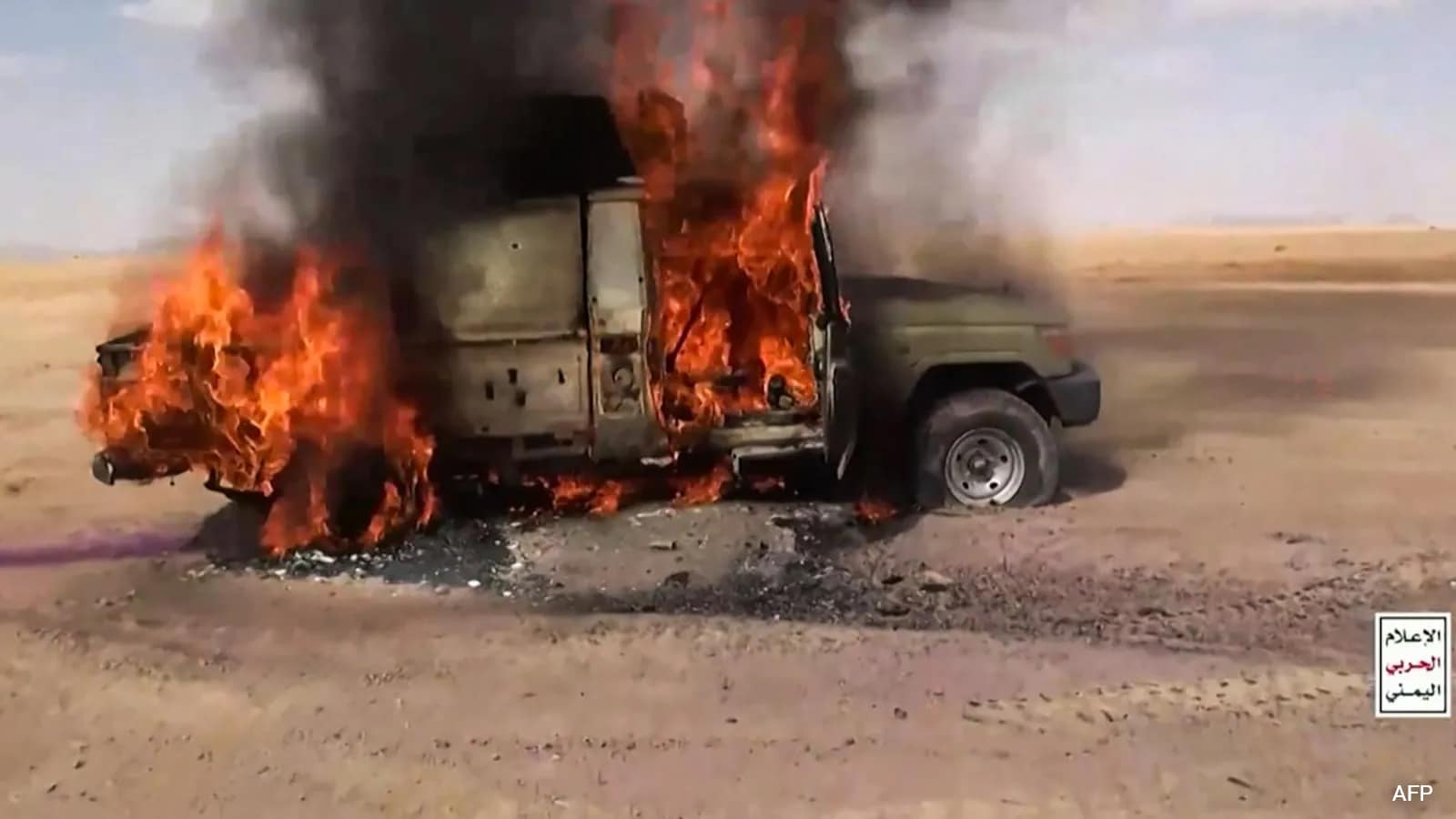
Gravity is indiscriminate, and the debris from the intercepted Houthi drone did not vanish into the desert. Instead, it rained down upon an Aramco-operated oil field, triggering a limited fire in an administrative building. More critically, the falling wreckage claimed lives. Two foreign nationals were killed in the impact, and two others sustained injuries. For families thousands of miles away, an ordinary workday was suddenly and irrevocably shattered by the hazards of a war they had no part in fighting.

JUST NOW: A Houthi attack on a Saudi Aramco oil field in eastern Saudi Arabia has killed two people.
This single, devastating morning did not happen in a vacuum. The incident on 2026-10-21 arrived on the heels of increasingly aggressive aerial tactics. Yemen's Iran-aligned Houthi rebels had steadily escalated their campaign of missile strikes and drone deployments, repeatedly targeting critical Saudi infrastructure, including various airports and vital oil facilities. Saudi air defenses had intercepted multiple incoming threats in a ceaseless game of high-stakes cat-and-mouse, often responding with retaliatory strikes aimed directly at Houthi missile launcher sites in Yemen. Yet, as the Shaybah incident demonstrated, interception is not a silver bullet; even a neutralized threat can leave lethal wreckage in its wake.
The incident on 2026-10-21 arrived on the heels of increasingly aggressive aerial tactics.
The Ministry of Energy quickly confirmed the grim reality of the attack, stepping forward to express official condolences to the families of the two expatriates who lost their lives while working at the facility. But the ripple effects extended far beyond the scorched administrative building in the Eastern Province. Recognizing the gravity of the deteriorating security environment and the persistent threat vector posed by the ongoing regional conflict, the United States government took swift diplomatic action, ordering its embassy staff to pack their bags and leave Saudi Arabia.

#BreakingNews | In a recent drone attack on Saudi Aramco's Shaybah Oil Field, two foreign nationals were killed and two others, including an Indian, were injured. The incident highlights escalating tensions as Yemen's Houthi militia intensifies strikes on Saudi infrastructure @kaidensharmaa shares details #SaudiArabia #Houthi #Aramco #OilFields | @ayushyasingh31
When we trace the geography of this conflict, we see a vast network of human lives caught in the crossfire. The tragedy at Shaybah underscores a grim truth about modern infrastructure-based warfare: the targets may be economic nodes like oil fields, but the casualties are often immigrant workers seeking a livelihood far from home. As the situation stands, the shadow of cross-border drone strikes continues to loom large over the region, a stark reminder that the friction between states and militant groups can reach out of a clear sky at any moment.