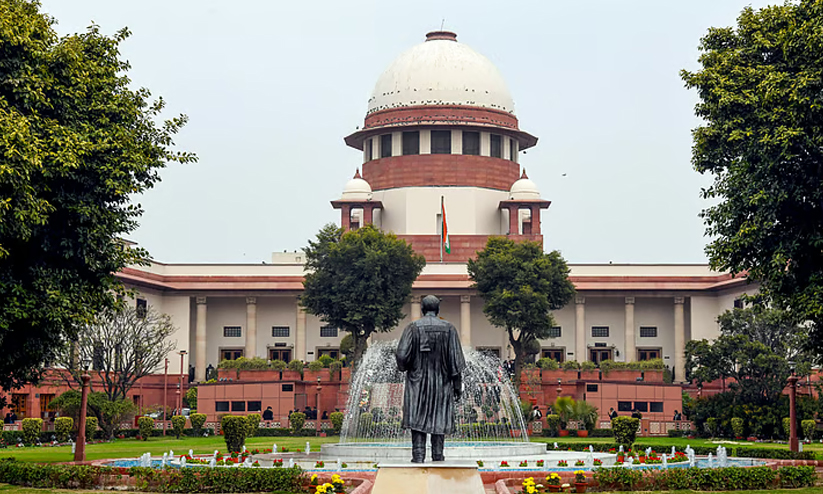
On November 5, 2026, the Supreme Court of India delivered a landmark judgment that has significant implications for the legal system in the country. The court ruled that the 24-hour constitutional deadline for producing an arrested person before a magistrate begins from the moment of detention, not formal arrest. This decision marks a crucial step in ensuring that the constitutional mandate is strictly adhered to, and detaining authorities must ensure that detention does not exceed a reasonable period, even within the 24-hour limit.

For years, the legal community and human rights activists had been advocating for a clear and consistent interpretation of the 24-hour detention period. Previous rulings by various High Courts had led to inconsistencies and confusion, with some courts allowing the period of detention before formal arrest to be excluded while calculating the 24-hour deadline. This ambiguity had raised concerns about the potential for abuse and the rights of detainees.

24-hour arrest deadline starts from detention, not formal arrest: Supreme Court https://t.co/udh6N11xoJ
In its ruling, the Supreme Court of India unequivocally stated that the 24-hour constitutional deadline begins from the moment a person is booked, not arrested. This decision was made in response to a petition filed by the Punjab and Haryana High Court, which had challenged the inconsistent rulings of other High Courts. The court emphasized the need for Magistrates to record the actual date and time of detention and ensure the 24-hour period is strictly adhered to.
The Supreme Court's ruling is expected to bring about a new era of legal oversight in India.
The ruling has significant implications for detaining authorities, who must now ensure that the 24-hour deadline is strictly followed from the moment a person is detained. This means that the clock starts ticking as soon as the police take a suspect into custody, rather than waiting until the formal arrest is made. The Supreme Court's decision is a clear signal that the constitutional mandate must be enforced without any room for interpretation.

⚖️🏛️ Supreme Court says 24-hour deadline to produce before magistrate starts from detention not arrest https://t.co/RJ0i9Iu5ux #SupremeCourt #IndianJudiciary #LegalNews #CriminalLaw #India
In its judgment, the Supreme Court took a critical stance towards previous interpretations of the 24-hour detention period. The court disapproved of the practice of excluding the period of detention before formal arrest, stating that such interpretations were inconsistent with the constitutional mandate. The ruling is a testament to the court's commitment to upholding the rule of law and ensuring that the rights of detainees are protected.
The Supreme Court's ruling is expected to bring about a new era of legal oversight in India. By clarifying that the 24-hour detention period begins from the moment of detention, the court has provided a clear and unambiguous guideline for detaining authorities. This decision is likely to have a ripple effect, influencing the practices of police and investigative agencies across the country. The ruling also sets a precedent for future cases involving the 24-hour detention period, ensuring that the constitutional mandate is strictly adhered to.

The Supreme Court has ruled that the 24-hour period within which an accused person must be produced before a judicial magistrate begins from the time of detention, and not merely from the time of formal arrest. More details 🔗 https://t.co/1v4eSO5IyT Catch every update on the TOI App 👉 https://t.co/ogFaRsUKyn #SupremeCourt #SupremeCourtOfIndia #Arrest #Detention #RightToLiberty #FundamentalRights
The Supreme Court's ruling is a significant step in the ongoing efforts to protect the rights of detainees in India. By clarifying the 24-hour detention period, the court has provided a clear and enforceable guideline for detaining authorities. This decision is expected to have a positive impact on the legal system, ensuring that the constitutional mandate is strictly adhered to and that the rights of detainees are protected.
The Supreme Court of India's ruling on the 24-hour detention period marks a new era in legal oversight in the country. By clarifying that the 24-hour constitutional deadline begins from the moment of detention, not formal arrest, the court has provided a clear and unambiguous guideline for detaining authorities. This decision is expected to have a positive impact on the legal system, ensuring that the constitutional mandate is strictly adhered to and that the rights of detainees are protected. The ruling is a testament to the court's commitment to upholding the rule of law and ensuring that the rights of detainees are protected.
- The Supreme Court of India ruled that the 24-hour constitutional deadline for producing an arrested person before a magistrate begins from the moment of detention, not formal arrest. - The ruling aims to ensure stricter adherence to legal norms and protect the rights of detainees. - The Supreme Court emphasized the need for Magistrates to record the actual date and time of detention and ensure the 24-hour period is strictly adhered to.
- 'The Supreme Court's ruling is a clear signal that the constitutional mandate must be enforced without any room for interpretation.' - Justice R.K. Agrawal, Supreme Court of India,