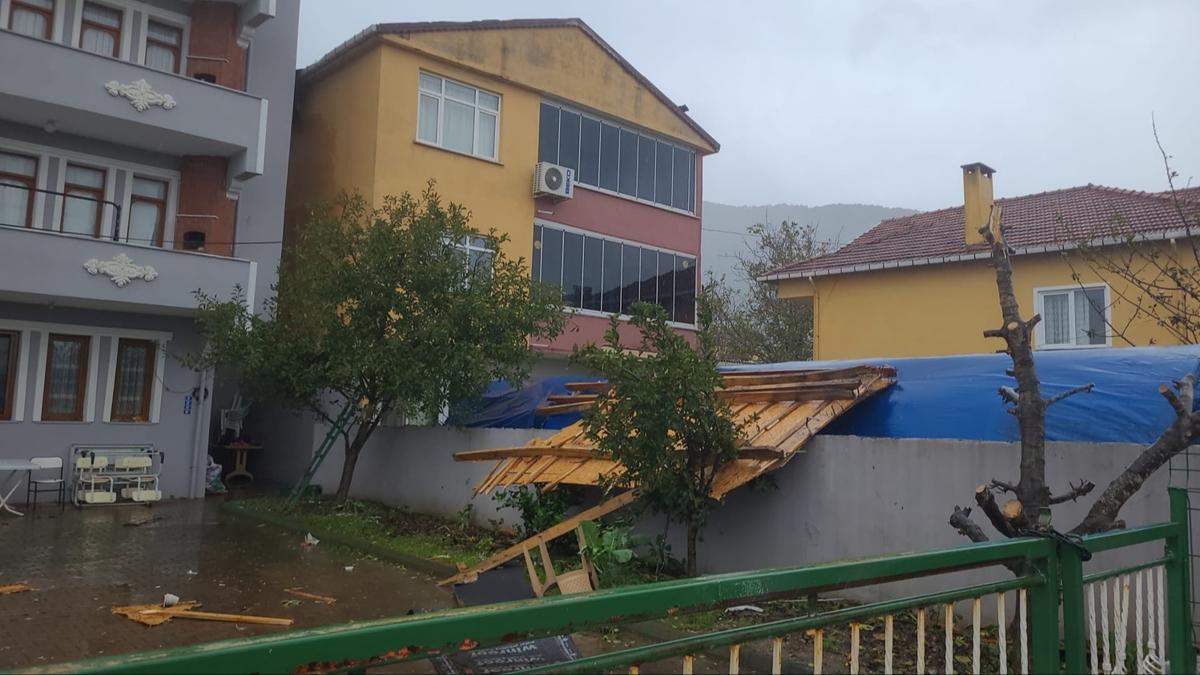
On the morning of 2026-10-18, a severe windstorm descended on Kastamonu in northern Turkey. Wind speeds were recorded at 116 kilometres per hour, a force strong enough to uproot trees, snap power lines, and rattle buildings. The storm arrived accompanied by heavy rain that quickly turned into flooding in low-lying areas, setting the stage for a cascade of disruptions across the province.

The wind and water did not spare the surrounding communities. Districts such as Cide, Enebolu, Doanyurt, Bozkurt, and Abana all reported significant impacts. Power outages swept through neighborhoods as lines were torn down or shorted by debris. Roads became impassable, bridges strained under the surge, and public buildings suffered damage to roofs and façades. Residents described scenes of chaos as emergency sirens wailed and crews scrambled to assess the scale of destruction.
In the aftermath, authorities launched a rapid relief operation. According to official tallies, 224 personnel were dispatched to the affected zones, supported by 81 machines ranging from excavators to utility trucks, and 11 vehicles dedicated to transport and communications. Their primary task was to restore electricity by repairing or replacing damaged power lines, while also clearing debris from roads and assisting stranded residents. The coordinated effort aimed to bring essential services back online as quickly as possible.
Their primary task was to restore electricity by repairing or replacing damaged power lines, while also clearing debris from roads and assisting stranded residents.
Beyond the immediate land‑based damage, the storm’s intensity had a visible effect on the nearby Black Sea. Torrential runoff and strong onshore winds pushed large volumes of freshwater and sediment into the sea, altering its usual colour in patches along the coast. Observers noted a noticeable shift from the typical deep blue to a murkier, almost brownish tint in certain areas, a reminder of how extreme weather can reshape both land and water in tandem.