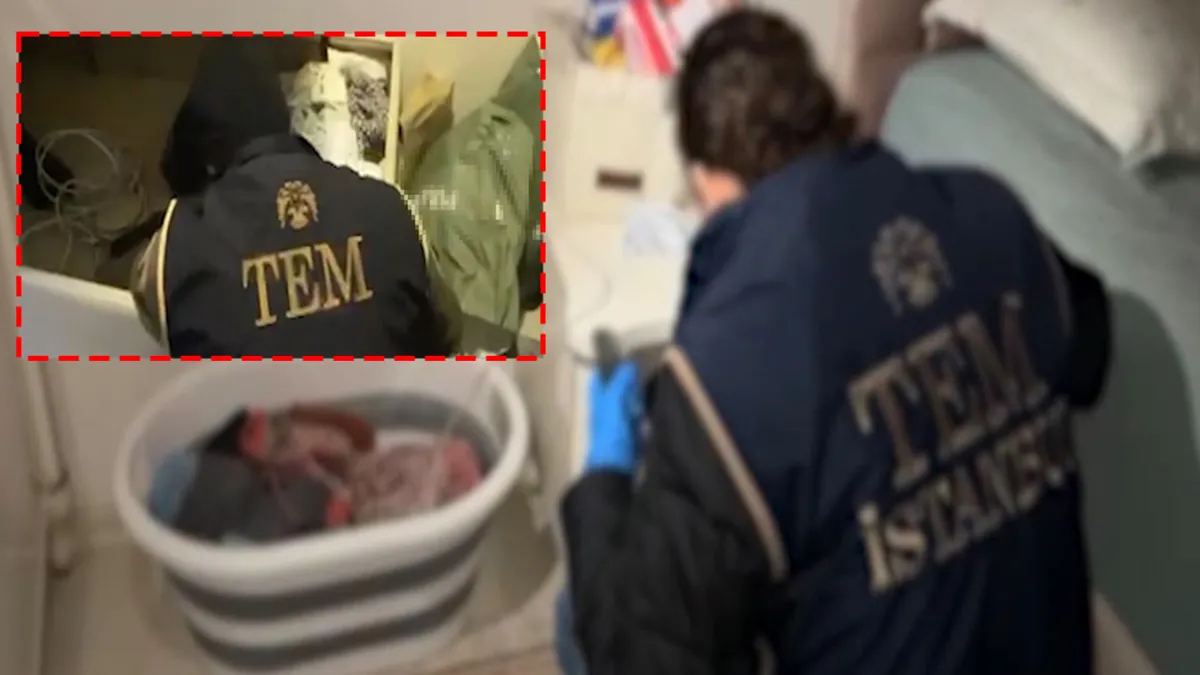
For Ahmet, a shopkeeper in Istanbul's Beyoğlu district, the news felt familiar. Another round of arrests linked to Fethullah Gülen's movement – known as FETÖ – splashed across the headlines. He remembers the atmosphere after 2016, the purges, the fear. “It was like a shadow fell over everything,” he said, requesting his last name not be used. “You didn’t know who to trust.” The recent operations, conducted on October 30, 2026, across Istanbul, Aydın, and İzmir, suggest that shadow hasn’t fully lifted. They point to an ongoing effort by Turkish authorities to dismantle what they believe is a reconstituted financial network supporting the organization.

FETÖ, an acronym for Fethullah Gülen's movement, is designated as a terrorist organization by Turkey. The Turkish government accuses it of orchestrating the attempted coup d'état in July 2016, an accusation the movement vehemently denies. Following the failed coup, a widespread crackdown ensued, targeting individuals linked to the group in the military, judiciary, education, and civil service. While the initial wave of arrests and dismissals subsided, authorities maintain that FETÖ continues to operate clandestinely, seeking to undermine the government.
The recent operations focused specifically on the financial structure of the organization. Ten suspects were detained, accused of being re-assigned within the network and utilizing ByLock, a secure messaging app authorities claim was the primary communication tool for FETÖ members. ByLock became a key piece of evidence in post-coup investigations, with authorities arguing its use indicated affiliation with the movement. The app's encrypted nature made it difficult to trace, but investigators have reportedly identified patterns of communication that helped them link individuals to the organization. The re-emergence of ByLock usage, as indicated in these recent detentions, suggests a continued reliance on secure communication channels.
Istanbul, as Turkey's largest city and economic hub, is often a focal point for such investigations.
The investigation didn’t stop at identifying individuals. Simultaneous searches of homes uncovered a significant cache of assets. Authorities seized a total of 12,852,000 Turkish lira along with foreign currency and gold. The money wasn’t openly displayed; it was hidden in attics, a detail that speaks to the secretive nature of the alleged financial operations. This wasn’t simply about personal wealth, according to officials. The investigation revealed attempts to reconnect with past contacts and actively collect donations for the organization, indicating an effort to rebuild its financial base.
The coordinated nature of the operations – spanning Istanbul, Aydın, and İzmir – highlights the perceived breadth of the network. Istanbul, as Turkey's largest city and economic hub, is often a focal point for such investigations. However, the inclusion of Aydın and İzmir suggests the organization's reach extends beyond the major metropolitan areas. These provinces, located on the Aegean coast, may serve as logistical or financial hubs for the movement, or simply represent areas where significant support networks remain. The simultaneous execution of the raids underscores the authorities' determination to disrupt the organization's activities across multiple regions.
The sheer amount of money and gold seized – over 12.852 million Turkish lira – is noteworthy. While the precise purpose of these funds remains under investigation, authorities believe they were intended to support FETÖ's activities. This could include funding clandestine operations, providing financial assistance to members and their families, or attempting to influence public opinion. The seizure represents a significant blow to the organization's financial capabilities, at least in the short term. The fact that the assets were concealed suggests an awareness of potential legal repercussions and a deliberate attempt to operate outside the formal financial system.
This operation is not an isolated incident. Since the 2016 coup attempt, Turkish authorities have conducted numerous investigations and arrests targeting individuals suspected of links to FETÖ. These crackdowns have been met with criticism from international human rights organizations, who raise concerns about due process and the potential for politically motivated prosecutions. The Turkish government, however, maintains that these measures are necessary to protect national security and prevent future attempts to destabilize the country. The ongoing nature of these operations demonstrates the government's continued commitment to suppressing the movement.
As of late 2026, the investigation into the alleged FETÖ financial network is ongoing. The ten detainees are being questioned, and authorities are analyzing the seized digital materials and organizational documents. The future remains uncertain. While the government has successfully dismantled much of the organization's overt infrastructure, the recent operations suggest that a clandestine network persists, attempting to rebuild its financial strength and maintain its influence. For Ahmet, and many others in Turkey, the question isn’t whether FETÖ is gone, but whether it can be fully eradicated.