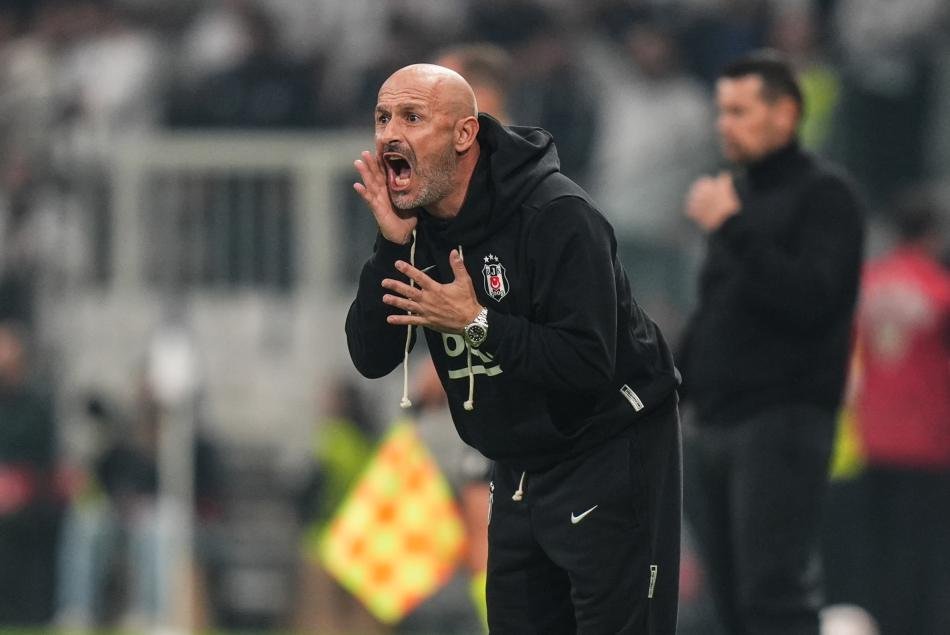
On the evening of November 5, 2026, the atmosphere surrounding Beşiktaş shifted from competitive tension to profound disappointment. In the fourth round of the UEFA Europa League, the Turkish side faced Celtic in a match that promised much but ultimately delivered a stinging 3-2 defeat. For Vincenzo Italiano, the technical director, the result was not merely a loss on the scoreboard, but a systemic failure of discipline that left the team's European ambitions feeling increasingly fragile.
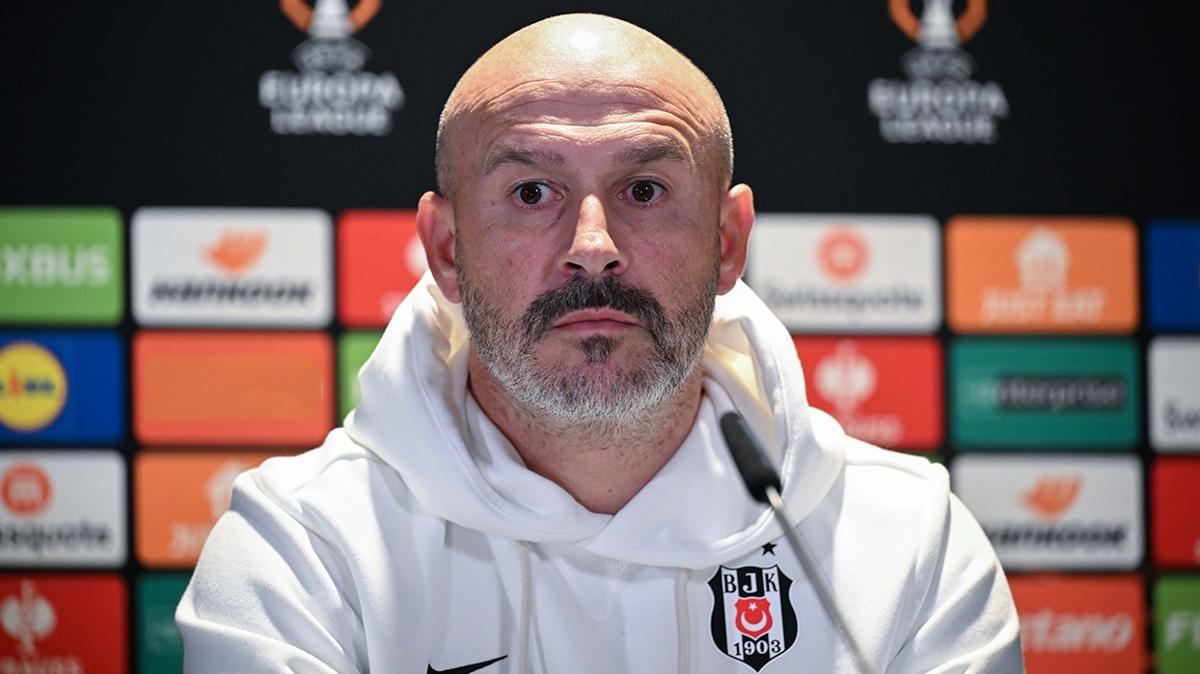
As the final whistle blew, the weight of the defeat settled heavily on the Beşiktaş camp. The match had been a high-scoring affair, a seesaw battle where Beşiktaş managed to find the net twice, yet they could not contain a Celtic side that capitalized on defensive vulnerabilities to score three times. For Italiano, the math was simple and devastating: the goals conceded were directly proportional to the points lost.
In the post-match press conference, the technical director did not mince words about the emotional toll of the evening. He described the experience as a "very sour night," expressing a deep sense of sadness and frustration. To Italiano, the loss felt less like a defeat by a superior opponent and more like a self-inflicted wound. He spoke of the sensation of being let down, reflecting on a performance that, while capable, lacked the structural integrity required at this level of European competition.
Yet, his refusal to blame individuals did not mean he was soft on the errors themselves.
One of the most difficult aspects of the defeat for the coaching staff was the duality of the team's play. On one hand, the players demonstrated a level of quality that suggested they belonged on this stage. Italiano acknowledged that the players performed well, noting that their overall output was high. However, this praise was inextricably linked to a sharp critique of their defensive posture.
"The players performed well but we conceded 3 goals and with 3 goals we threw away the points," Italiano remarked, capturing the central frustration of the night. It is a common struggle in football—the ability to create and execute offensively while simultaneously failing to maintain the defensive vigilance necessary to protect a lead or a draw. In this instance, the three goals conceded acted as a vacuum, sucking the potential out of a hard-fought contest.
In the immediate aftermath of a loss, the instinct is often to find a scapegoat—a single defender, a missed tackle, or a lapse in concentration. Italiano, however, resisted the urge to point fingers. He was careful to steer the conversation away from individual culpability, focusing instead on the collective failure of the unit.
"I don't want to see fingers, I don't want to blame anyone," he stated, emphasizing a desire to maintain squad unity despite the sting of the result. Yet, his refusal to blame individuals did not mean he was soft on the errors themselves. He noted a distinct shift in the team's temperament compared to earlier in the season. At the start of the campaign, the team had exhibited a different kind of grit—a sharpness that allowed them to sense danger before it materialized. Now, that edge seemed to have dulled.
For Italiano, the issue was not just about mistakes, but about the frequency and ease with which they occurred. He observed that the team was giving away too many positions and making errors that were entirely avoidable. There is a fundamental difference between conceding a goal due to a brilliant opponent's play and conceding because of a lack of alertness.
He recalled a time, earlier in the season, when the team was "more hard" and "more careful." During those periods, the defense was proactive, identifying threats well in advance. In contrast, the match against Celtic revealed a team that was becoming "very soft in defense." While conceding positions is a natural part of the game, Italiano argued that these opportunities should not be "gifted" so easily to the opposition.
Beşiktaş enters the remainder of the UEFA Europa League league phase with a difficult task ahead. Having lost their first match in this phase, the 3-2 defeat to Celtic places additional pressure on the squad to perform in their remaining four matches. The margin for error has narrowed significantly.
The technical director remains committed to the task, promising to do his best to rectify these lapses, but the shadow of the Celtic match looms large. The team must find a way to marry their offensive capabilities with the defensive discipline that defined their earlier outings. For Vincenzo Italiano, the goal is no longer just about playing well; it is about ensuring that the points earned through hard work are not simply thrown away by a lack of concentration.