
In the heart of the Ukrainian crisis, a glimmer of hope emerges as Russia and Ukraine prepare for a new round of talks. These discussions, set to take place in Abu Dhabi, are part of a broader effort to find a peaceful resolution to the conflict. The talks, scheduled for early November, are expected to focus on security issues that will impact both countries post-peaceful settlement. Russian President Vladimir Putin has emphasized that these talks are crucial, as they address one of the key components of a lasting peace.
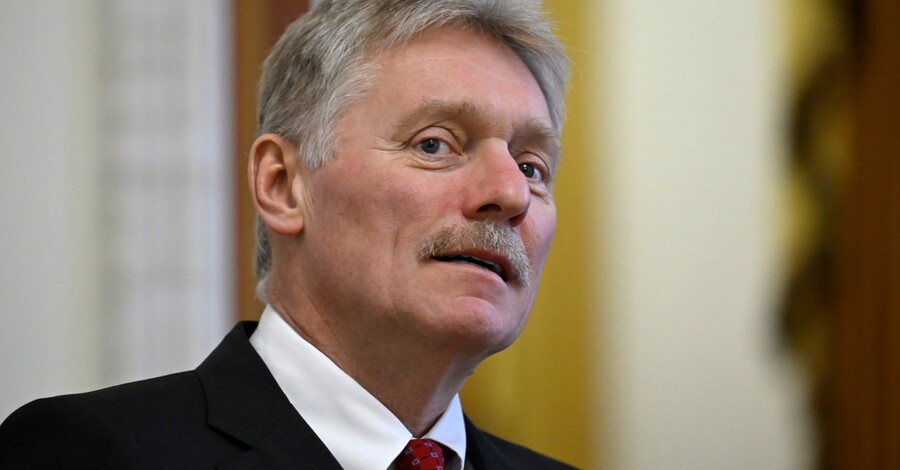
On October 23, 2026, Russian press secretary Dmitry Peskov provided a statement on the upcoming talks. He confirmed that the discussions would be held in a three-party format, involving Russia, Ukraine, and a third party. Peskov highlighted the importance of discussing European security architecture in the future, indicating that European participation might be considered in subsequent talks. His statement was clear: 'Президент обозначил тему переговоров: это вопросы безопасности для двух стран — для России и Украины. Уже после того, как осуществится выход на мирное урегулирование, это одна из очень важных составных частей выхода на мирное урегулирование.'
Peskov's statement also clarified the format of the talks. He stated, 'Ничего исключать нельзя априори, но эти переговоры, о которых мы ведем речь в Абу-Даби, которые запланированы на первую половину ноября, они будут в трехстороннем формате.' This means that while no options are off the table, the talks will be conducted in a three-party format, with Russia, Ukraine, and a third party (likely a neutral mediator) participating. This format is designed to ensure a balanced and comprehensive discussion of the security issues at hand.
By focusing on security issues, the talks aim to create a framework that can support a peaceful resolution to the crisis.
Peskov's statement also touched on the potential role of European countries in future talks. He noted that the Kremlin's attitude towards the potential appointment of a special EU envoy for Ukrainian peace talks depends on the position European countries might take. This cautious approach suggests that the Kremlin is carefully considering the potential impact of European involvement. Peskov stated, 'Отношение Кремля к возможному назначению спецпосланника от ЕС на мирных переговорах по Украине зависит от той позиции, с которой европейцы могли бы принимать в этом участие.'
The planned talks in Abu Dhabi are part of a broader strategy to address the security concerns of both Russia and Ukraine. Putin has indicated that these talks are crucial for the future security architecture of both countries. By focusing on security issues, the talks aim to create a framework that can support a peaceful resolution to the crisis. The involvement of a third party and the potential for future European participation suggest that the talks are being designed to be inclusive and comprehensive.
While the talks are scheduled for early November, the outcome remains uncertain. The involvement of European countries in future discussions will depend on their willingness to engage and their approach to the crisis. The three-party format and the potential for future European participation indicate a complex but potentially fruitful path forward. The talks in Abu Dhabi represent a new chapter in the ongoing Ukrainian crisis, offering a glimmer of hope for a peaceful resolution.
As the world watches, the upcoming talks in Abu Dhabi will be a critical test of Russia's and Ukraine's commitment to peace. The involvement of a third party and the potential for future European participation suggest a broader effort to address the security concerns of both countries. The outcome of these talks will be closely watched, as they could mark a significant step towards a lasting peace in Ukraine.