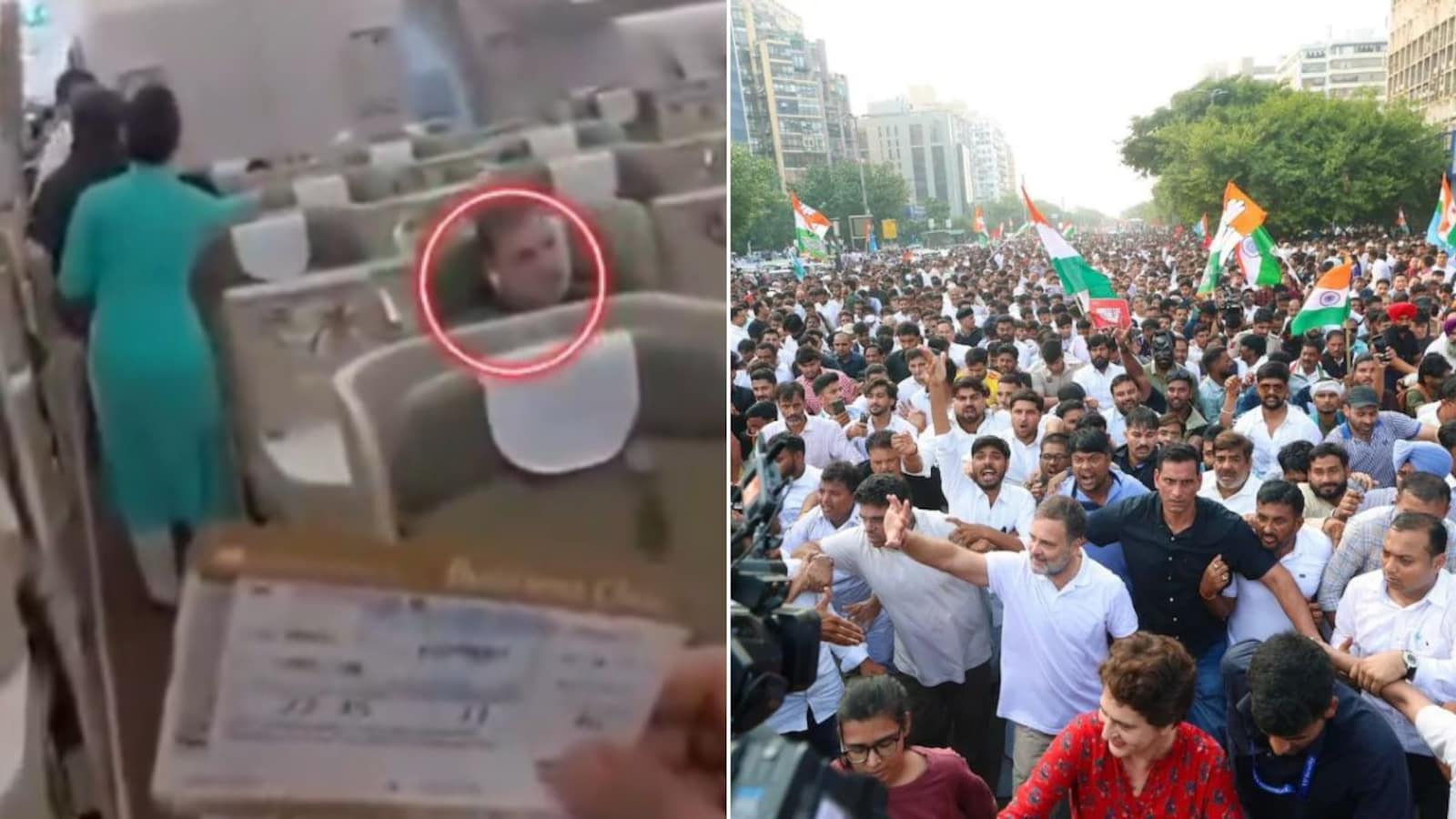
Following domestic protests, the digital battlefield of Indian politics shifted to the cabin of an airplane. The Bharatiya Janata Party (BJP) released an in‑flight video featuring Rahul Gandhi, the Leader of the Opposition, appearing to be in Vietnam. The footage was used to criticize him for leaving during the protests. In the high‑stakes theater of Indian governance, where presence is often equated with political potency, the sight of a top opposition leader mid‑air became a symbol for a larger argument about duty and distraction.
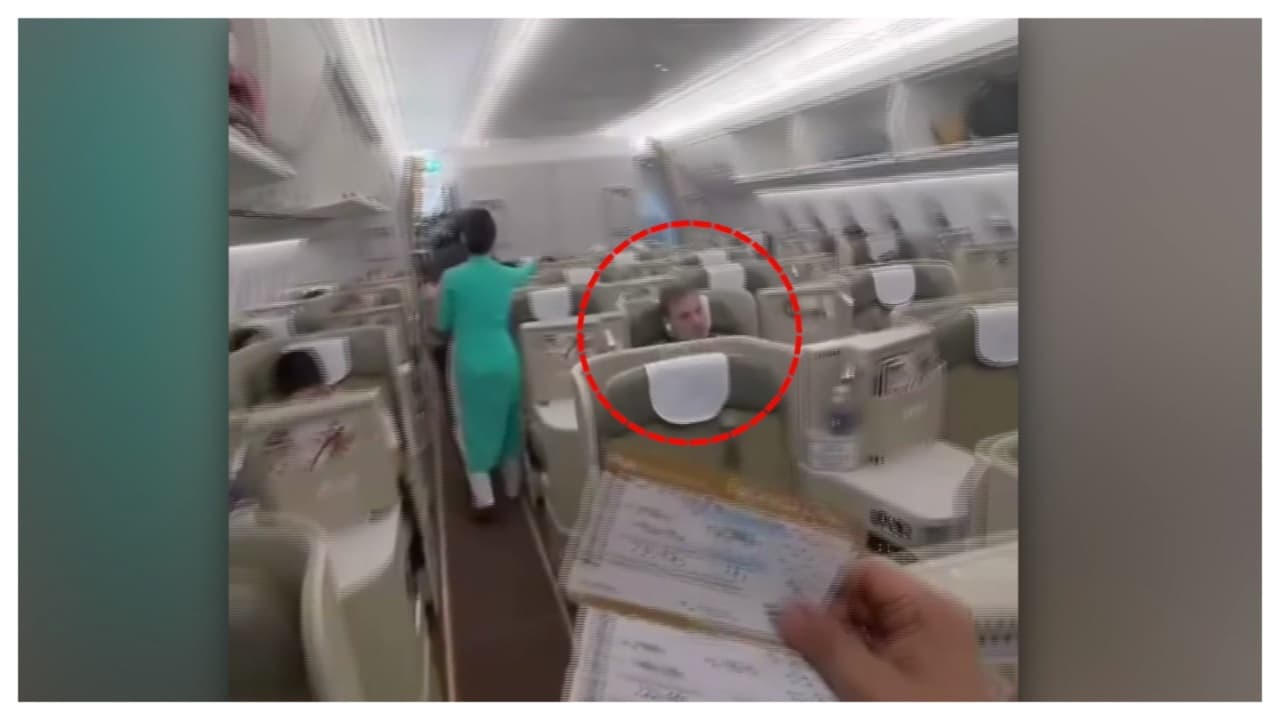
The BJP quickly criticized Gandhi for leaving during the protests. Shazia Ilmi, representing the BJP, framed the trip as a retreat from the rigors of political life, suggesting that the current moment of absence fit a pattern the party highlighted.
RP Singh pointed back to previous periods of political activity, noting that after completing a yatra in Bihar, Gandhi had spent two months abroad on holiday. Singh speculated that Gandhi might have visited Vietnam during that time as well, suggesting that this current trip might be a continuation of a long‑standing habit of seeking distance from the domestic political fray.
He suggested that such trips are part of a leader’s broader responsibilities and should not be portrayed solely as avoidance of domestic duties.
The Congress party, however, refused to let the criticism stand. Instead, they pivoted the conversation toward the nature of modern political engagement, arguing that a leader’s influence is not confined to the borders of a single nation. Sandeep Dikshit, responding to the BJP's scrutiny, highlighted that Congress leaders also travel abroad and asked why the BJP singled out Gandhi while Prime Minister Modi makes foreign visits during parliamentary sessions.
Dikshit emphasized Gandhi’s interactions with students at Yale University and with students and intellectuals in London as examples of his international engagement. He suggested that such trips are part of a leader’s broader responsibilities and should not be portrayed solely as avoidance of domestic duties.
In a rhetorical turn, the Congress response also questioned the standards applied to the Prime Minister, noting that while Gandhi engages in press interviews and international academic exchanges, the Prime Minister’s foreign trips during parliamentary sessions receive less scrutiny. This framing aimed to balance the debate over travel and political responsibility.