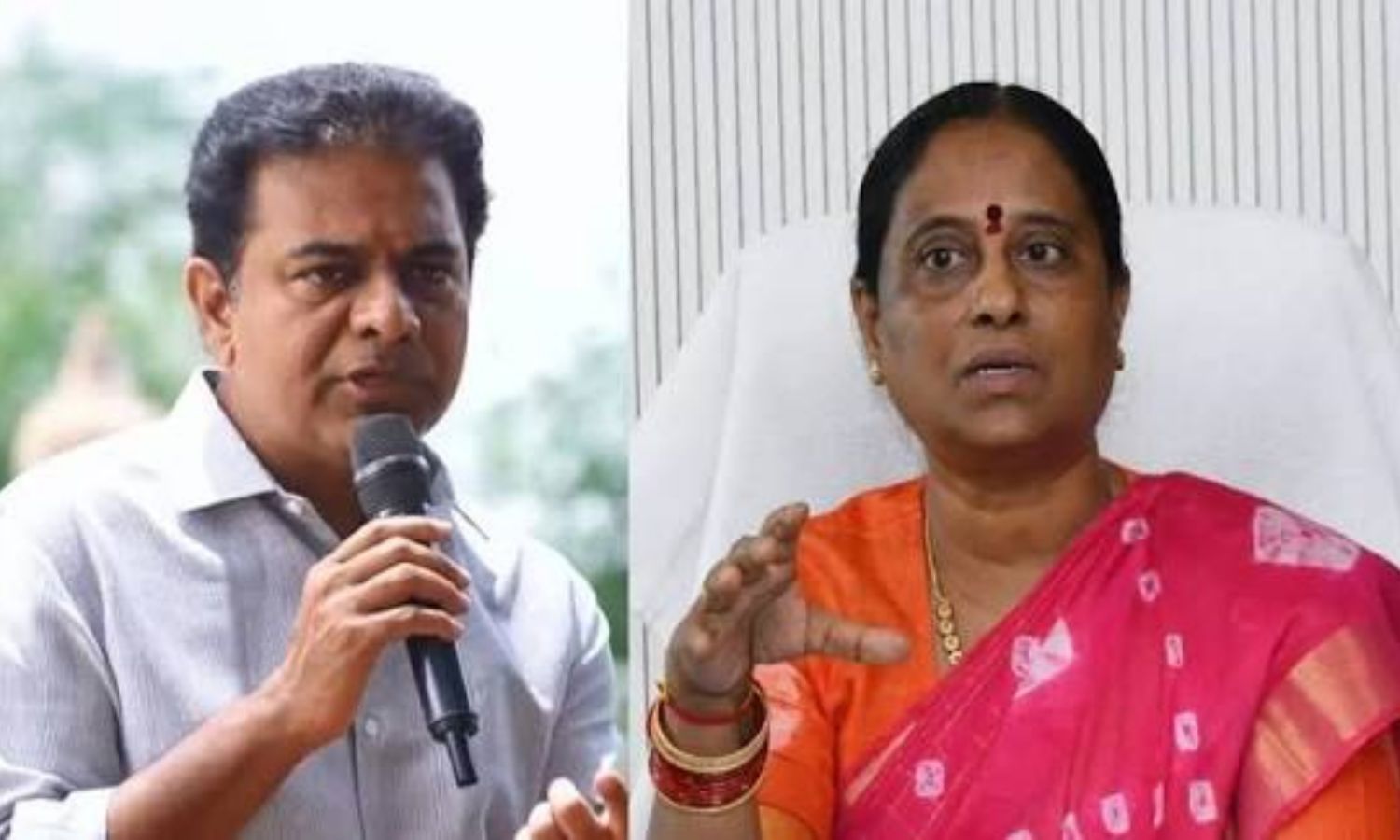
If you have never followed Indian state politics, imagine a regional arena where party loyalties are as deep‑rooted as family ties, and where a single tweet can ripple through legislative corridors, media houses, and tea‑shop debates alike. That is the world of Telangana, a southern state that split from Andhra Pradesh in 2014 and has since been dominated by the Bharat Rashtra Samithi (BRS), formerly known as the Telangana Rashtra Samithi. At the centre of the latest drama is Konda Surekha, a former minister whose name has resurfaced not for a new policy but for a public apology to K.T. Rama Rao—commonly called KTR—who is the working president of the BRS and a key architect of the party’s development agenda.
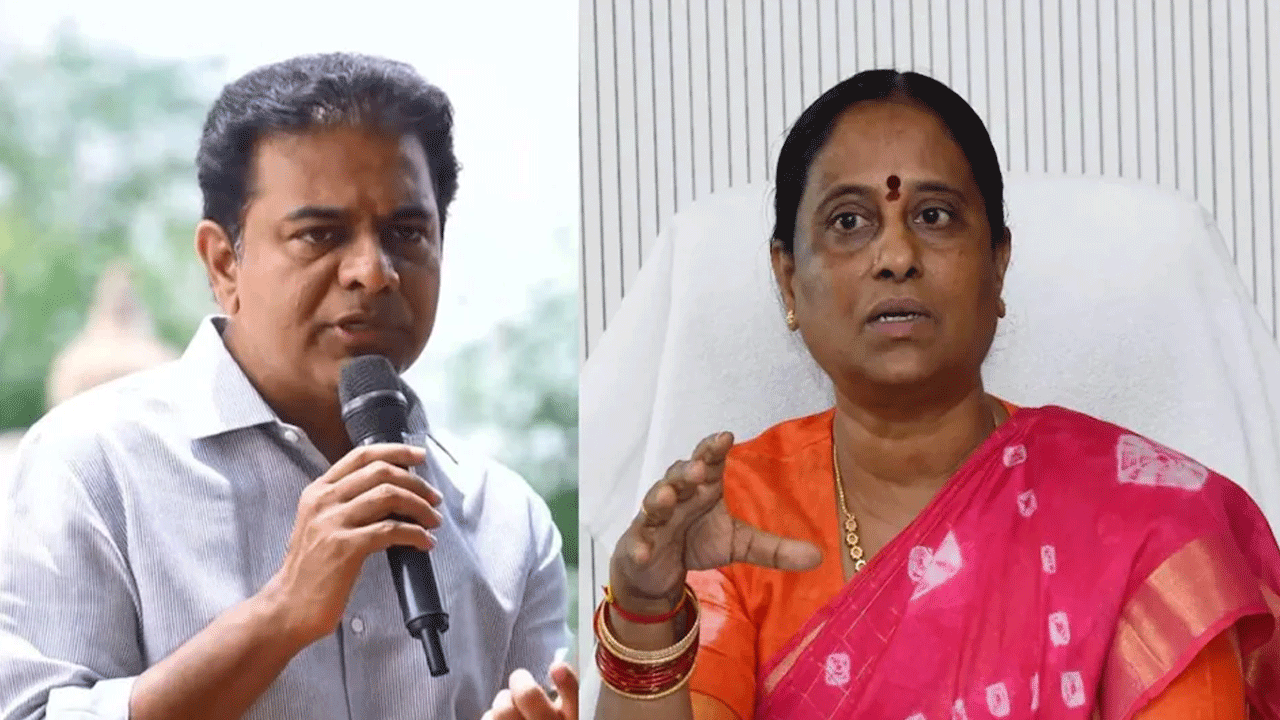
On the evening of October 29, 2026, Surekha posted a lengthy statement on social media, beginning with a direct address to KTR. In Telugu, she wrote, “బీఆర్ఎస్ వర్కింగ్ ప్రెసిడెంట్ @KTRBRS గారిపై గతంలో నేను చేసిన కొన్ని వ్యక్తిగత వ్యాఖ్యల పట్ల వివరణ ఇవ్వాలని అనుకుంటున్నాను…”. Translated, the opening line reads, “I would like to explain the personal remarks I made about BRS working president @KTRBRS in the past.” The apology continued in English, where she clarified that the remarks had been made under “political pressure to criticize the opposition” and were never intended to hurt KTR or his family. She described the comments as “baseless” and expressed regret for any distress caused, formally withdrawing them.
Surekha’s career has been intertwined with the BRS’s rise. She served as a minister in the state cabinet during a period when the party was consolidating power after the 2014 bifurcation. Her earlier remarks, which targeted KTR personally, were unusual in a political culture that typically confines criticism to policy rather than family. By framing her apology as a response to “political pressure,” Surekha implicitly acknowledged the high‑stakes environment in which opposition figures are often forced to adopt aggressive rhetoric to stay relevant.
Her recent statement positions her as a conciliatory figure, attempting to repair a personal rift that could have broader political fallout.
In Telangana, personal attacks can have real consequences. The BRS, under KTR’s operational leadership, has cultivated a brand of development‑focused governance, and any perceived affront to its senior figures can trigger retaliatory narratives in both traditional media and the ever‑vibrant social‑media battleground. Surekha’s withdrawal of her statements, therefore, is not merely a personal gesture; it signals a potential de‑escalation of a feud that could have drawn in allied parties, supporters, and even rival factions within the BRS itself.
Surekha’s apology did not occur in isolation. Around the same time, the Telugu‑language daily Eenadu issued its own public apology to KTR. The newspaper had previously published a report claiming that an Anti‑Corruption Bureau (ACB) court had ordered the seizure of KTR’s passport—a story that later proved to be inaccurate. After KTR sent a legal notice, Eenadu retracted the claim and expressed regret for the error.
The coincidence of two high‑profile apologies within days of each other underscores a broader trend: the increasing scrutiny of political discourse in the digital age. Both incidents illustrate how quickly misinformation—or even ill‑timed commentary—can spread, prompting swift corrective action when the subject is a figure as prominent as KTR. For readers unfamiliar with Indian media, Eenadu is one of the country’s largest circulated newspapers, and its retraction carries weight in a market where print still shapes public opinion.

కేటీఆర్పై చేసిన వ్యాఖ్యలకు చింతిస్తున్నా.. కొండా సురేఖ ఆసక్తికర ట్వీట్ | Konda Surekha Sensational Tweet Over Comments On KTR | ABN Telugu #KondaSurekha #KTR #ABNTelugu https://t.co/kNKp5sHWo4
- Konda Surekha: A former minister who has been part of the BRS’s governing coalition. Her political trajectory includes stints in the state cabinet, where she handled portfolios related to social welfare. Her recent statement positions her as a conciliatory figure, attempting to repair a personal rift that could have broader political fallout. - K.T. Rama Rao (KTR): The working president of the BRS and the party’s chief strategist. He is the son of K. Chandra Shekar Reddy, the BRS founder, and is widely regarded as the heir apparent to the state’s chief minister, K. Chandra Shekar Reddy. KTR’s portfolio includes overseeing infrastructure projects, information technology, and urban development, making him a central figure in Telangana’s growth narrative. - Eenadu: A leading Telugu daily known for its extensive reach across Andhra Pradesh and Telangana. Its apology reflects the newspaper’s acknowledgment of journalistic responsibility, especially when reporting on high‑profile political figures.
Surekha’s reference to “political pressure” is a nod to the intense competition that defines Telangana’s electoral landscape. The BRS, while dominant, faces opposition from parties such as the Indian National Congress, the Bharatiya Janata Party (BJP), and regional outfits like the All India Trinamool Congress, which, despite its base in West Bengal, occasionally fields candidates in the state. In such a crowded field, politicians often resort to personal attacks to differentiate themselves, a tactic that can backfire when the targeted individual holds significant sway.
By publicly withdrawing her remarks, Surekha may be signaling a strategic shift—perhaps an attempt to realign with the BRS’s development agenda or to distance herself from intra‑party rivalries. The timing, coinciding with the Eenadu retraction, suggests a moment of collective self‑examination among Telangana’s political and media elites.

Konda Surekha | కేటీఆర్కు క్షమాపణ చెప్పిన మాజీ మంత్రి కొండా సురేఖ-Namasthe Telangana https://t.co/nx6Jb1K3vx
As of the latest updates, Surekha’s apology has been widely discussed in political circles, with analysts noting that her gesture could pave the way for renewed dialogue between former allies and current rivals. The BRS has not issued an official response, but KTR’s silence on the matter has been interpreted as a measured acceptance, avoiding further escalation.
The Eenadu correction, meanwhile, has been cited in media watchdog reports as an example of responsible journalism in an era where sensational headlines often outrun verification. Both apologies serve as reminders that in Telangana’s fast‑moving political theater, words—whether spoken in a legislative chamber or typed into a tweet—carry lasting weight.
For newcomers to Indian state politics, the episode offers a clear lesson: personal narratives and institutional reputations are tightly interwoven, and a single act of contrition can reverberate across parties, press, and the electorate alike. As Telangana continues to navigate its post‑bifurcation identity, moments like these hint at a political culture that, while still fiercely competitive, is capable of self‑correction when the stakes become too high to ignore.
The real test will be whether Surekha’s apology translates into concrete political collaboration or remains a symbolic gesture. Observers will watch for any joint initiatives, policy endorsements, or public appearances that could signal a thaw in relations. Likewise, the media’s response to the Eenadu episode may set a precedent for how quickly misinformation is addressed in the state’s press ecosystem.
In a region where political fortunes rise and fall with the rhythm of public sentiment, the willingness to admit fault—whether by a former minister or a major newspaper—may prove to be the most unexpected twist of all.