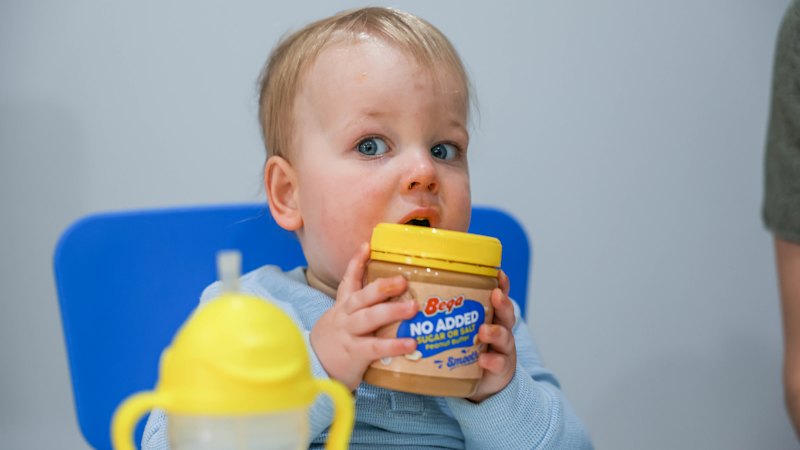
In 2026, the Australian healthcare system faced a pressing challenge: a rising number of children with suspected peanut allergies. The condition, while serious, can be life-threatening, and the medical community had long relied on a specific diagnostic test to confirm its presence. However, a landmark study, published on November 4, 2026, is now challenging the conventional wisdom and could change the way peanut allergies are diagnosed in the future.
The study, led by the Murdoch Children’s Research Institute (MCRI), a leading research facility in Australia, is making waves in the medical community. Professor Kirsten Perrett, a key figure at the institute, spearheaded the research. She explained, 'It’s paradigm-shifting in terms of how we diagnose infant peanut allergy.' The study's findings are expected to have a significant impact on the way healthcare providers approach peanut allergy diagnoses.
The study focused on the accuracy of current diagnostic practices for infants. The current method, known as an oral food challenge, involves feeding the child small amounts of peanut protein to observe any allergic reactions. However, the study found that 35% of babies who were suspected of having a peanut allergy did not actually have the condition.
False positives can lead to unnecessary dietary restrictions, which can impact a child’s nutrition and overall health.
The oral food challenge is considered the gold standard for diagnosing peanut allergies. It involves gradually introducing peanut protein to the child, while medical staff monitor for any signs of an allergic reaction. The study suggested that this gold-standard test should be considered more widely to ensure accurate diagnosis. Professor Perrett noted that the findings point toward a need for a more precise approach to managing suspected cases.
The implications of these findings are far-reaching. False positives can lead to unnecessary dietary restrictions, which can impact a child’s nutrition and overall health. They can also cause significant stress for parents and caregivers, who might need to implement strict avoidance measures. The study highlights that over-diagnosis can lead to unneeded changes in a child's diet.
The study’s findings have prompted a rethinking of the diagnostic process. The MCRI is advocating for a more cautious approach, suggesting that the gold-standard oral food challenge be considered more widely in clinical settings. Professor Perrett emphasized the shift in how infant peanut allergy is diagnosed, indicating a paradigm shift in medical practice.
The implications of this study extend beyond Australia. If confirmed, the findings could lead to changes in diagnostic guidelines worldwide. The medical community is likely to engage in a thorough review of current practices and may seek to incorporate more accurate diagnostic tools. For now, the focus is on ensuring that healthcare providers are aware of these findings and are prepared to adjust their practices accordingly.

The Murdoch Children’s Research Institute’s groundbreaking study is challenging the status quo in diagnosing peanut allergies in Australian babies. By revealing that 35% of suspected cases may not actually be allergies, the study is prompting a reevaluation of diagnostic methods. As the medical community grapples with these findings, the hope is that more accurate and less stressful diagnostic processes will be developed, ultimately benefiting both children and their caregivers.