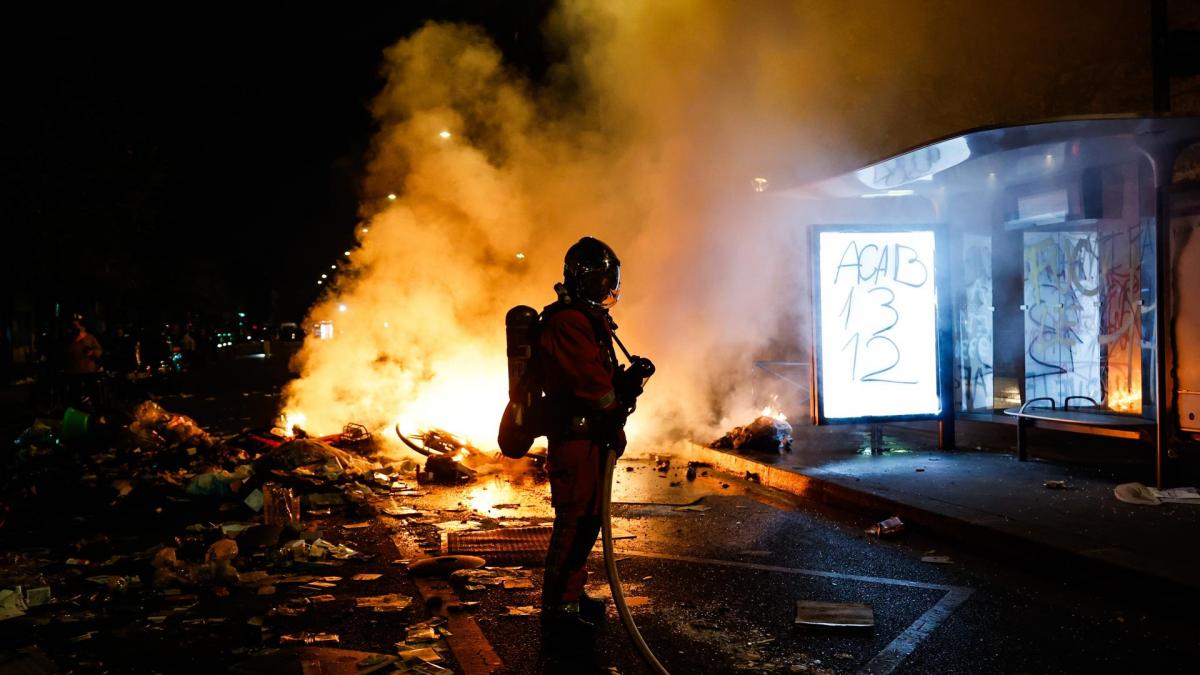
On the evening of October 19, 2026, Paris entered a period of heightened security as officials announced measures that would keep people off the streets after certain hours. The city, already tense from days of protests, saw authorities move to limit movement and public assembly in an effort to curb further disturbances.
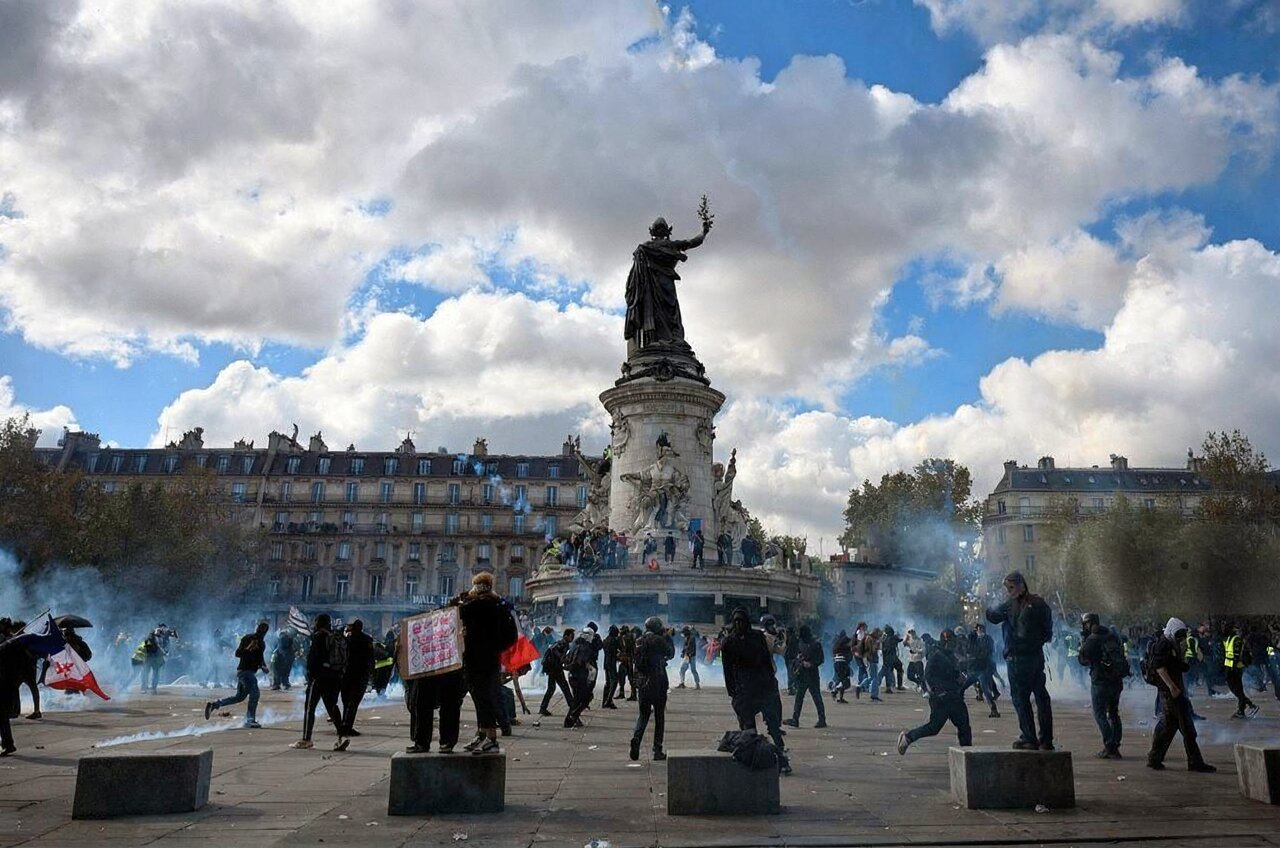
The Paris Police Prefecture declared that a curfew would be in effect from 23:00 to 06:00, covering the entire population rather than only minors. This restriction applied specifically to the Halles district and Place de la République, two central areas that had experienced recent unrest. The order was described as a tool for public security, intended to protect persons and property from risks of violence and looting that had occurred in the preceding days.
Simultaneously, a ban on demonstrations was announced for the same night, beginning at 20:00 and lasting until 06:00. The prohibition covered several sectors of Paris, aiming to prevent gatherings that could turn violent. Officials said the measure sought to reduce the likelihood of clashes between protesters and law enforcement during the hours when tensions had previously flared.
Participants expressed frustration with what they described as insufficient government response to these pressures.
The restrictions were not limited to the capital. France announced a partial night curfew that would also be implemented in Marseille, Lyon, and Porto for two nights. In addition, authorities imposed an overnight curfew in four northern communes: Lille, Douai, Wattignies, and Denain. These moves were part of a broader crackdown on criminal activity that officials said had been escalating during recent protests.
According to reports, more than 550,000 people had taken part in demonstrations across France in the days leading up to the curfew. The protests were driven by concerns over rising living costs, as well as perceived deteriorations in education and healthcare services. Participants expressed frustration with what they described as insufficient government response to these pressures.
Law enforcement officials noted that over 1,800 arrests had been made during the recent wave of protests. They said that criminal groups had been targeting public infrastructure, contributing to the sense of instability that prompted the curfew and demonstration ban. Authorities characterized the arrests as part of a judicial response to those responsible for the incidents.
The Paris Police Prefecture framed the curfew as a necessary step to restore public order, maintaining a neutral stance on its implementation. Sebastien Lecornu, also cited in the briefing, took a neutral position regarding the measures. In contrast, Emmanuel Grégoire, the city’s deputy mayor responsible for public spaces, acknowledged the government’s need to quell violence but criticized certain aspects of the order. He said that barring minors from the affected sectors seemed disproportionate and warned that the curfew could push activity into other neighborhoods.

Grégoire’s remarks highlighted a tension between the goal of immediate security and the potential side effects of the restrictions. He suggested that while the curfew might protect the Halles and République areas, it could simply shift gatherings or unrest to nearby districts that were not covered by the order. This concern about displacement echoed his view that the prohibition on minors went beyond what was necessary to address the situation.
Authorities also pointed to concrete effects of the recent unrest, noting that approximately 3,000 establishments had been affected by looting. This figure was cited to illustrate the scale of property damage that had accompanied the protests and to justify the protective intent behind the curfew and demonstration ban.
As of the announcement, the curfew and demonstration ban were set to run through the night of October 19 until 06:00, with the possibility of extension depending on how events unfolded. Officials said they would continue to monitor the situation, aiming to balance the restoration of order with respect for civil liberties, while the underlying grievances that fueled the protests remained part of the public conversation.