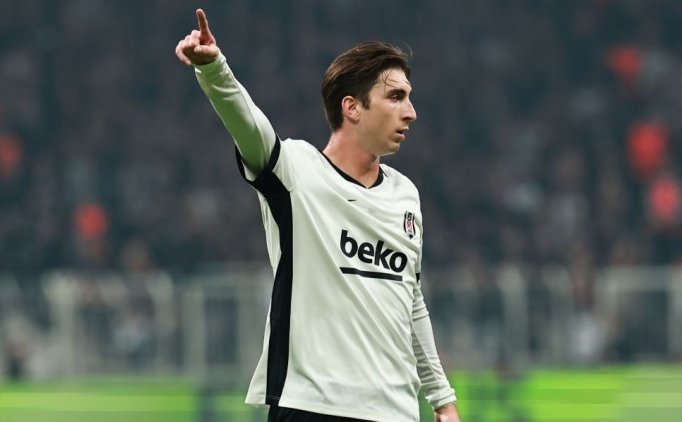
Midway through the first half, Italian midfielder Fabio Miretti, who had been a regular fixture in the squad’s midfield, went down clutching his right shoulder. The medical team rushed onto the pitch, but the severity of the injury was clear: Miretti could not continue, and the match proceeded without him.
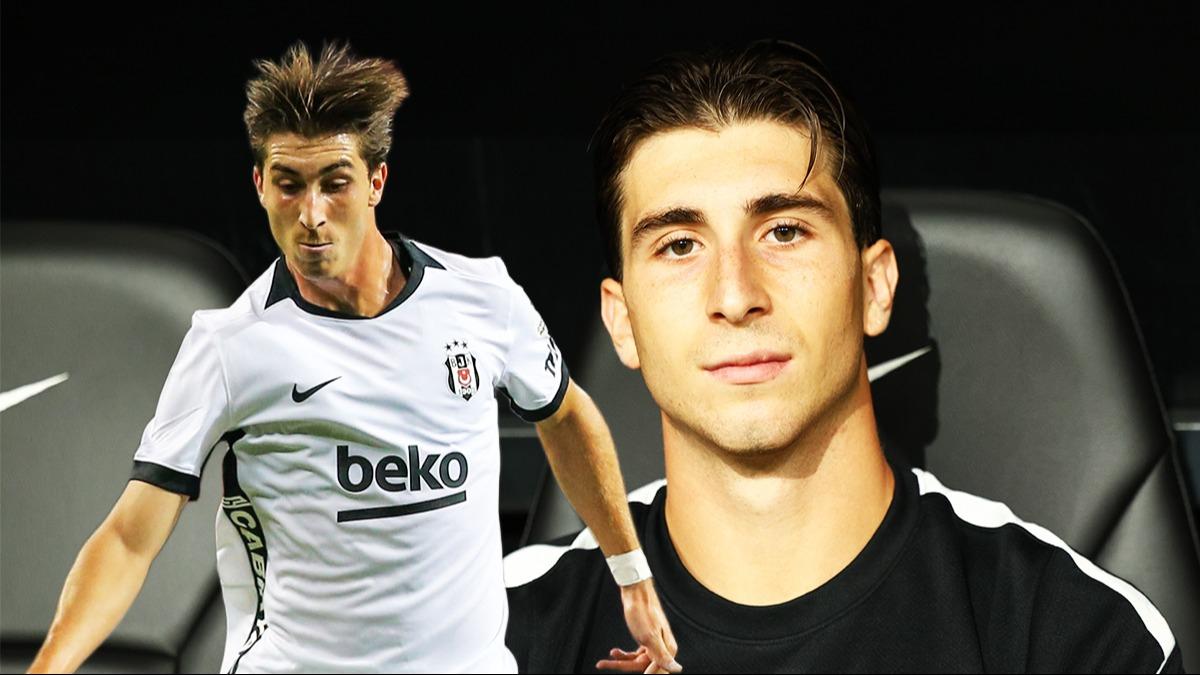
The injury diagnosed by the club’s physicians is an acromioclavicular (AC) joint separation—a tear of the ligament that connects the collarbone (clavicle) to the highest point of the shoulder blade (acromion). In lay terms, the AC joint stabilizes the shoulder’s outer edge; when its ligaments are torn, the joint becomes unstable, causing pain, swelling, and limited range of motion. Such injuries are common in contact sports where sudden impacts or falls can force the shoulder beyond its normal limits.
Within hours of the incident, Miretti was transported to Acıbadem Altunizade Hospital, a leading medical facility in Istanbul known for its sports‑medicine department. Radiological examinations—referred to in the club’s statement as “radyolojik gürültülemeleri”—confirmed a tear in the right shoulder‑acromioclavicular joint. The club’s medical staff immediately began a treatment protocol, which typically involves immobilization, pain management, and a carefully monitored rehabilitation plan.
While the exact return date will depend on Miretti’s response to therapy, the club’s medical team will clear him only when the joint can tolerate full‑pitch demands.
Beşiktaş’s official communication projected a 4‑to‑6‑week absence for Miretti. The first phase focuses on reducing inflammation and protecting the joint, followed by gradual strengthening exercises to restore stability and functional movement. While the exact return date will depend on Miretti’s response to therapy, the club’s medical team will clear him only when the joint can tolerate full‑pitch demands.
Miretti’s injury arrives at a pivotal moment in Beşiktaş’s Europa League campaign. As a central figure in the team’s midfield rotation, his absence forces the coaching staff to reshuffle responsibilities among the remaining squad members. The club’s statement hinted that “alternative players will take on more responsibility,” suggesting a shift in tactical balance. For a side that relies on fluid transitions between defense and attack, the loss of a creative conduit can alter the rhythm of play, prompting the manager to adapt formations or lean on younger prospects to fill the void.
The club released a concise statement in Turkish, emphasizing both the medical facts and the swift action taken:
"Futbol A Takımımızın dün akım Crystal Palace ile oynadığı müsabakanın ilk yarısında omzu üzerinde döktüğü yaralanan ve müsabakaya devam edemeyen futbolcumuz Fabio Miretti'nin yapılan değerlendirme ve Acıbadem Altunizade Hastanesi'nde gerceklesiren radyolojik gürültülemelerinde sağ omuz‑köprük kemiği eklem bölgesinde yaralanma (Akromioklaviküler Eklem Ayırması) saptanması olup futbolcumuzun tedavisine sağlık ekibimizce başlandığı duyuruldu."
The tone is neutral, focusing on factual updates rather than speculation, and underscores the club’s confidence in its medical personnel to manage the recovery.
Beşiktaş now faces the dual challenge of maintaining momentum in the Europa League while navigating a midfield reshuffle. For the Italian midfielder, the period offers a chance to focus on rehabilitation under the guidance of specialists at Acıbadem Altunizade, with the goal of rejoining the squad at full strength. As the season progresses, the club’s depth and adaptability will be tested, but the prompt medical response and clear communication suggest a professional handling of an unfortunate setback.