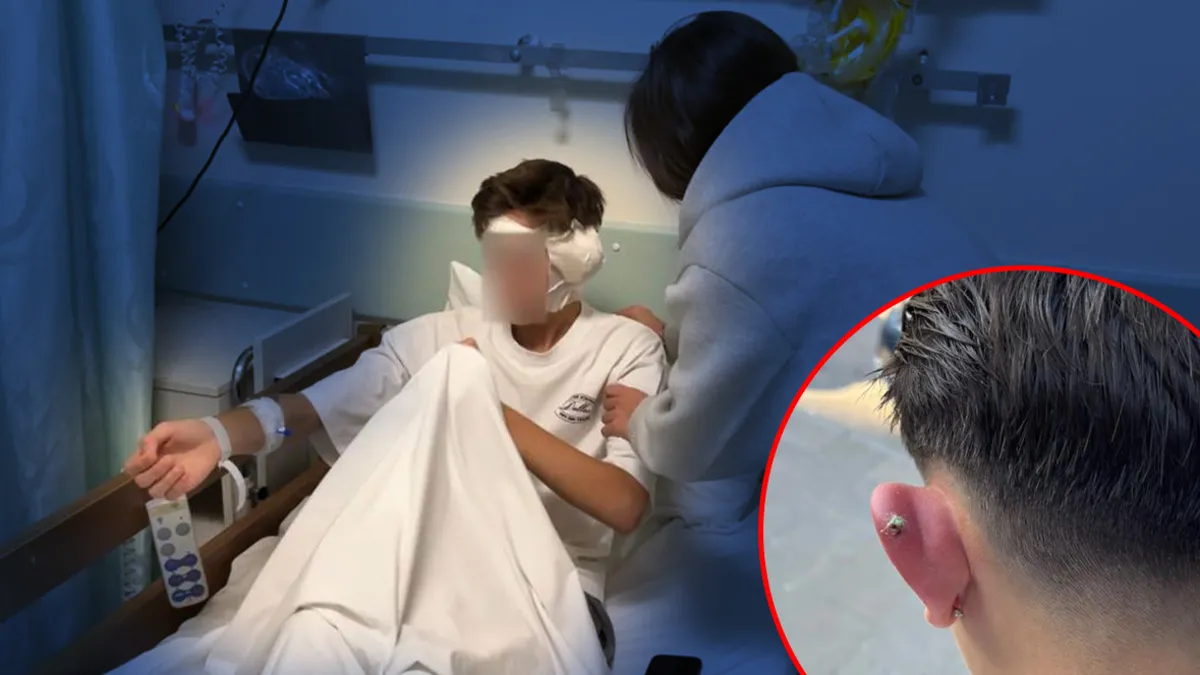
In the bustling city of Bursa, a seventeen-year-old boy underwent a routine piercing procedure. By the end of the day, what began as an aesthetic choice had transformed into a severe infection. His ear swelled rapidly, causing intense pain. On the same day, a girl named G.S. in the nearby district of Nilüfer experienced a similar fate after getting her own piercing done at a studio. For both, the moment of celebration quickly gave way to a hospital bed.
These cases represent a disturbing cluster of events occurring within a single week. While the specific locations differ slightly—Bursa for one teenager and Nilüfer for another—the timeline is identical. On 2026-10-21, a seventeen-year-old boy in Bursa developed a severe infection immediately following the procedure. Similarly, G.S., who also received treatment on that same date, spent five nights in the hospital under close observation. During this period, doctors monitored the progression of the infection closely. They did not see signs of recovery; instead, they observed the potential for long-term consequences. The duration of their stay highlights the severity of the reaction, indicating that standard home care was insufficient to manage the swelling and bacterial buildup.
Beyond the immediate pain, the most concerning aspect of these incidents involves the prognosis provided by medical professionals. Doctors warned that the infection could lead to permanent damage. For a seventeen-year-old, whose body is still developing, such damage can be irreversible. The risk extends beyond the visible scar tissue; it encompasses potential long-term health issues. This warning transforms the event from a temporary ailment into a potential lifelong burden. Families are now left grappling with the reality that a minor procedure could alter their child's future health trajectory.
Families are now left grappling with the reality that a minor procedure could alter their child's future health trajectory.
Following the stabilization of the patients, the legal response has begun. The family of the boy in Bursa has filed a formal complaint against the business where the procedure took place. G.S.'s family followed suit, filing a complaint with the prosecutor regarding the piercing studio in Nilüfer. In the third case, another seventeen-year-old in Bursa also filed a complaint against the business responsible for the infection. These actions signal a shift from private disputes to official investigations. By involving the prosecutor, the families are seeking accountability beyond mere financial compensation. They are demanding answers about safety standards, hygiene protocols, and the qualifications of the staff performing the piercings.
As of today, the focus remains on the medical outcomes and the legal proceedings initiated by the families. The specific details of the infections continue to unfold, but the immediate aftermath has set a precedent for scrutiny. Three teenagers, all around the same age, found themselves hospitalized on 2026-10-21. Their shared experience underscores the risks associated with unregulated or poorly supervised cosmetic procedures. The story does not end with the discharge from the hospital; it continues through the legal system, where the businesses will face questions about their responsibility to ensure patient safety.