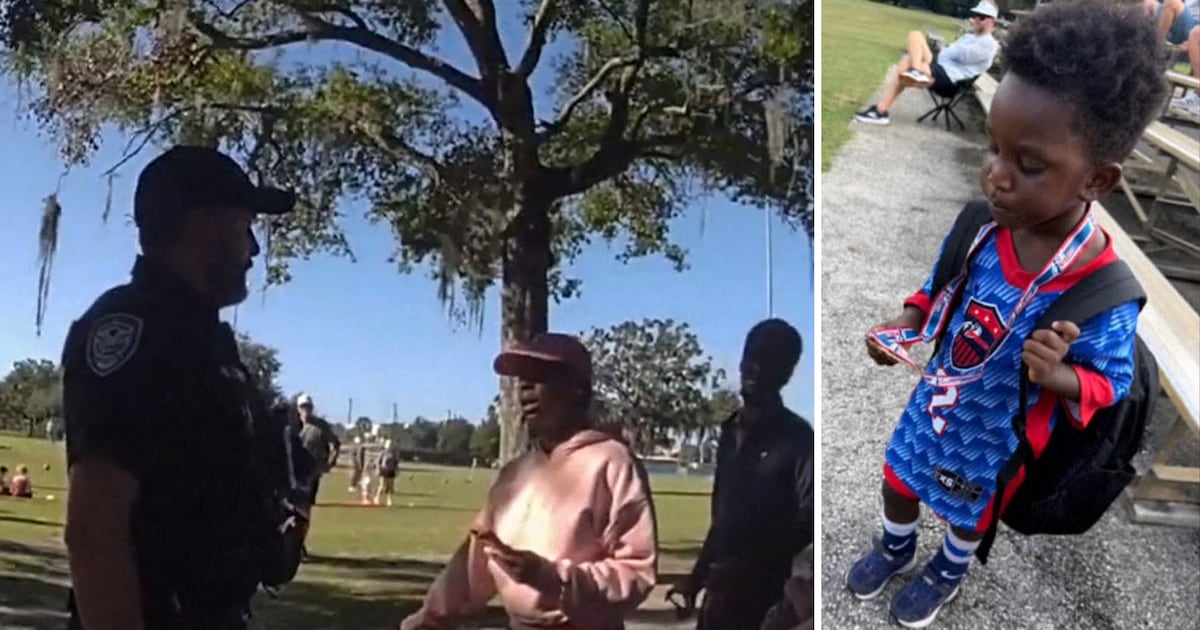
On October 24, 2026, a 911 call was made. The dispatcher on the other end of the line heard Thomas Hayes, the director of a local youth soccer program, recounting a confrontation that had escalated from a disagreement to a police matter. Hayes, speaking with the calm urgency of someone who felt wronged, described a situation where a mother was allegedly following him, attempting to make him look bad. The call, placed on October 24, 2026, was the first domino to fall in an incident that would expose the raw nerves of youth sports: the friction between program officials and parents over playing time and the performance of their children.
Hayes’ account painted a picture of a director under siege. The dispatchers, hearing the details, likely had no idea they were about to become part of a story that would highlight the intense pressures placed on toddlers in organized sports. The call was not just a report of a dispute; it was a cry for help from a man who felt his authority was being challenged by a parent who was, in his eyes, overstepping the boundaries of parental involvement.
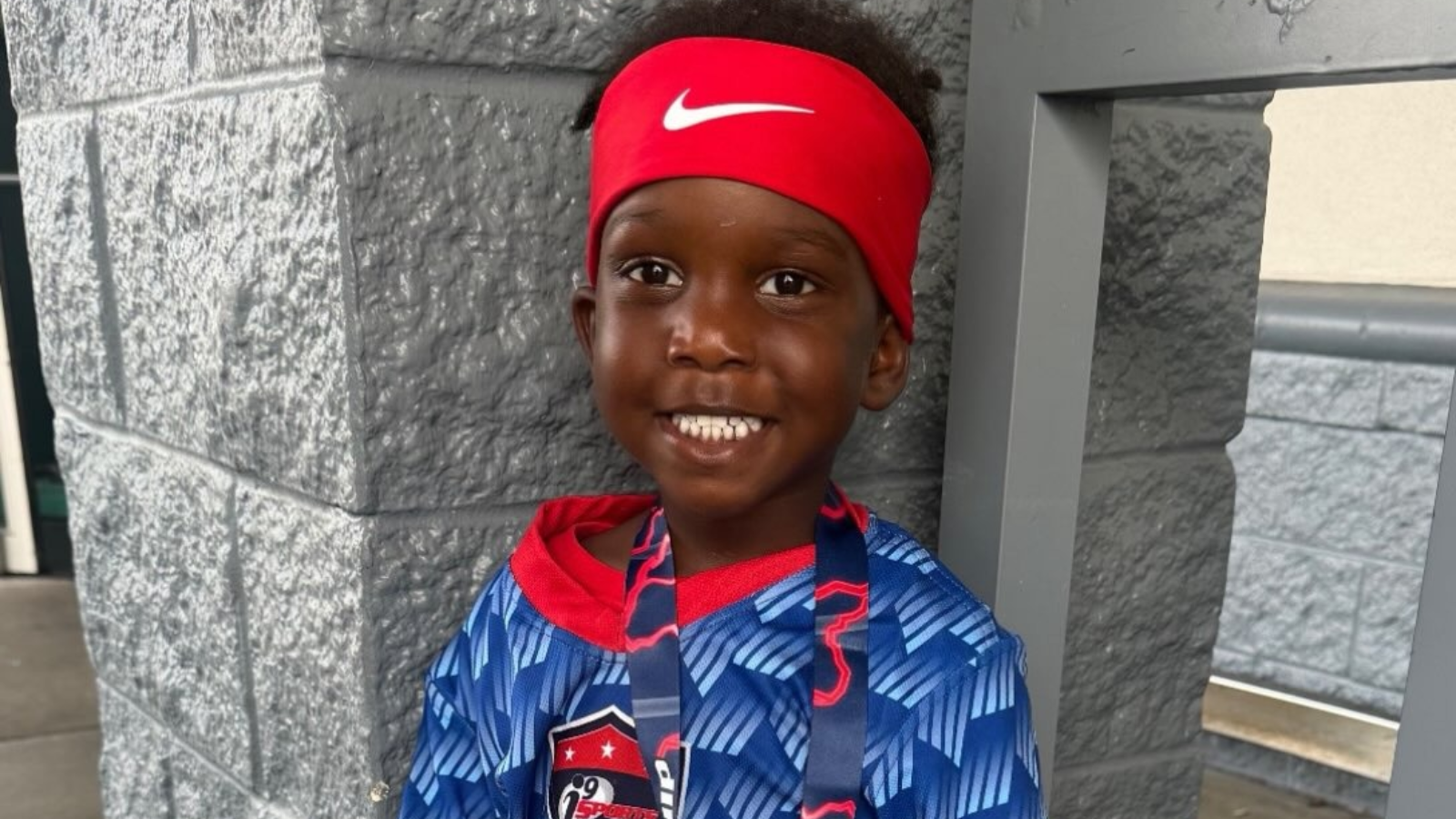
The situation took a turn when the mother, in police footage and league statements, turned the narrative on its head. She accused the league officials of targeting her son, a 3-year-old player. Her grievance was not with the director’s personal conduct, but with the program’s policies. She believed the league was singling out her talented child, a claim that would later be supported by the very evidence the officials had used to justify the police call.
The officers, likely unfamiliar with the nuances of toddler soccer, were tasked with resolving a conflict that was rooted in deeper issues of control and perception.
The mother’s frustration was palpable. "They’re mad at my son because he actually played soccer," she said. "So they’re literally kicking him out of this place because he’s good at soccer." The accusation was a direct challenge to the league’s handling of the child’s development. It suggested that the officials were not just managing a game, but were actively discriminating against a child based on his skill level. This was a new level of scrutiny for youth sports, where the focus is usually on participation and fun, not on the potential for a child to dominate the field.
As the police arrived at the park, the scene was already de-escalating. The parents were in the process of leaving on their own accord. But the officers were met with a stark contrast between the parents’ narrative and the reality on the field. Police footage and a statement from the league director revealed that the child was not merely a passive participant. He was, in the words of Hayes, "very advanced." The child was pushing other players, a behavior that Hayes described as a disturbance.
Hayes’s frustration boiled over in his account to the police. "They don’t like that, they tell me I’m ignorant, I’m this, I’m that, blah blah blah," he said. "So I went over there again a few minutes ago. The kid was pushing again, right? So I called the refs." The director’s language was critical, reflecting his belief that the parents were not accepting the reality of their child’s actions. The league’s stance was that the child’s behavior was unacceptable, regardless of his talent. This created a clash of perspectives: the parents saw a victim of unfair treatment, while the officials saw a child who needed to be reined in.
The arrival of the police served as a mediator in a dispute that had spiraled out of control. The officers, likely unfamiliar with the nuances of toddler soccer, were tasked with resolving a conflict that was rooted in deeper issues of control and perception. The meeting that followed was a chance for both sides to present their cases.

The incident highlighted a fundamental misunderstanding between parents and league officials. The parents saw a system that was unfairly targeting their child, while the officials saw a child who was simply too advanced for his own good. The police, in their role as neutral arbiters, were left to untangle the threads of a story that was as much about parenting as it was about sportsmanship. The outcome of the meeting was not immediately clear, but the fact that the police were called at all spoke to the intensity of the emotions involved.
In the wake of the incident, the Winter Park soccer league found itself under a microscope. The story of the 3-year-old superstar and his parents’ confrontation with the league officials had captured the public’s imagination. It raised questions about the appropriate level of parental involvement in youth sports and the responsibilities of program directors to manage children of varying skill levels.
The incident served as a cautionary tale for both parents and officials. For parents, it was a reminder that their child’s performance on the field is not the only thing that matters. For officials, it was a lesson in managing talent while ensuring fair play.