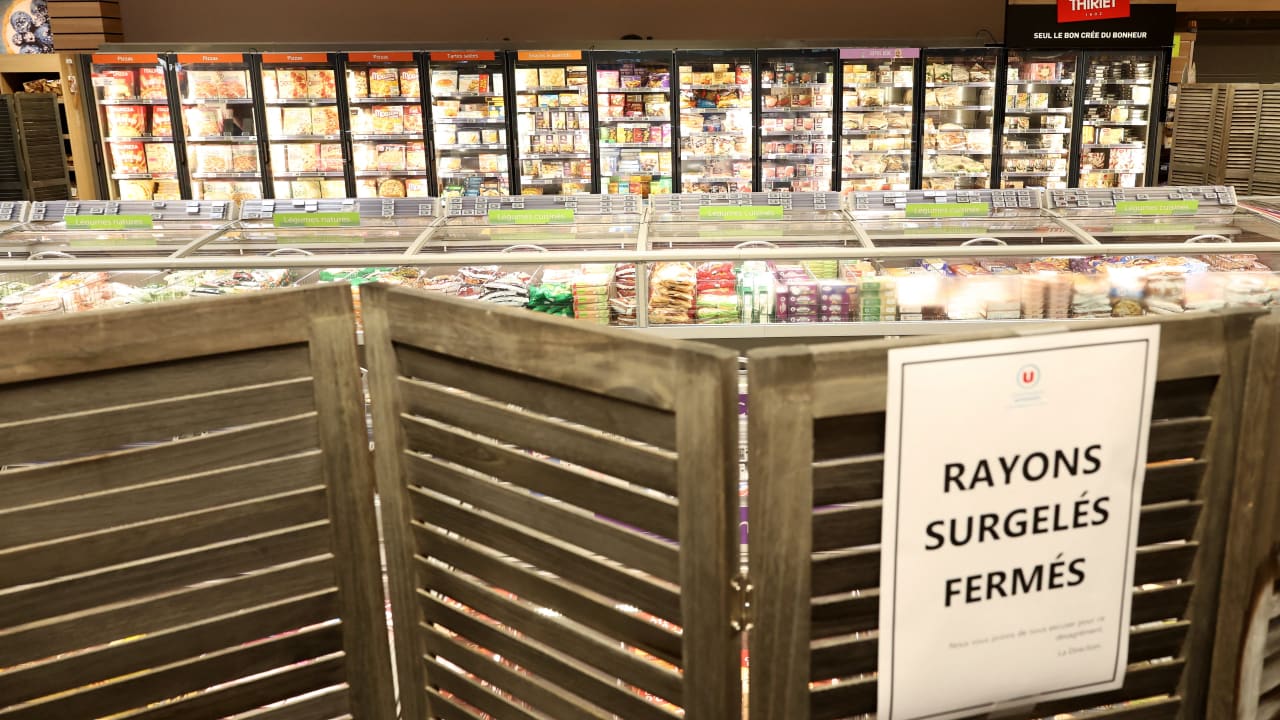
In the quiet hours between Sunday and Monday, October 12, 2026, a digital contagion began to spread through the cooling systems of France’s grocery infrastructure. It did not arrive with the sound of breaking glass or the chaos of a physical heist. Instead, it arrived through the wires, quietly reprogramming the very machines designed to keep food fresh. Across at least 400 supermarkets, the refrigeration and freezer units began to behave erratically, not by failing, but by performing a malicious command: they began to heat up.

In many locations, the temperature inside these units climbed to a staggering 50°C (122°F). To a consumer, a refrigerator is a silent guardian of safety, but for the hackers behind this breach, it became a tool for destruction. By triggering the defrosting cycles and forcing temperatures to these extreme levels, the attackers ensured that the contents—meat, dairy, and fresh produce—would be rendered unfit for consumption almost instantly.
As the sun rose on Monday, the scale of the devastation became clear. This was not a localized glitch; it was a systemic strike. Intermarché reported that approximately 300 of its stores were affected, while Coopérative U saw fewer than 100 of its locations compromised. Other major retailers, including Carrefour Market, E.Leclerc, and Monoprix, also felt the heat, with Carrefour reporting 80 hit stores.
For the workers on the ground, the sight was more heartbreaking than profitable.
For the workers on the ground, the sight was more heartbreaking than profitable. Johann Beltzung, describing the scene of the aftermath, noted that the pirates had specifically launched the defrosting of the fridges at 50°C. Because the machines were technically performing a defrost cycle, the systems did not trigger standard failure alerts. "They didn't manage to get into the frozen goods," Beltzung observed, but the damage to the fresh sections was absolute. "Everything is dead, there is nothing to save. I think I would have preferred to see the store looted. Instead, it is a skip full of food going... for nothing."
Thierry Cotillard, the director of Groupement Mousquetaires and CEO of Intermarché, described the scale of the economic blow as "unprecedented." He estimated that the losses could reach tens of millions of euros nationwide in a single day, adding a layer of financial dread by noting that it is not certain such massive losses will be covered by insurance. At individual locations, the bill for ruined stock can reach several hundred thousand euros per store.

Hackers heat French supermarket fridges, sparking fires and spoiling food https://t.co/HmCi8kMESD https://t.co/HmCi8kMESD