
The modern battlefield is no longer defined solely by steel and gunpowder, but increasingly by bandwidth and connectivity. In Ukraine, the military version of Starlink has become a critical lifeline for coordinating operations on the front lines. When that connection falters, or when limitations are placed on its speed and functionality, the consequences ripple through the entire strategy of the conflict. On October 23, 2026, this technical dependency became a political flashpoint involving three major figures: US President Donald Trump, SpaceX CEO Elon Musk, and Russian President's press secretary Dmitry Peskov.
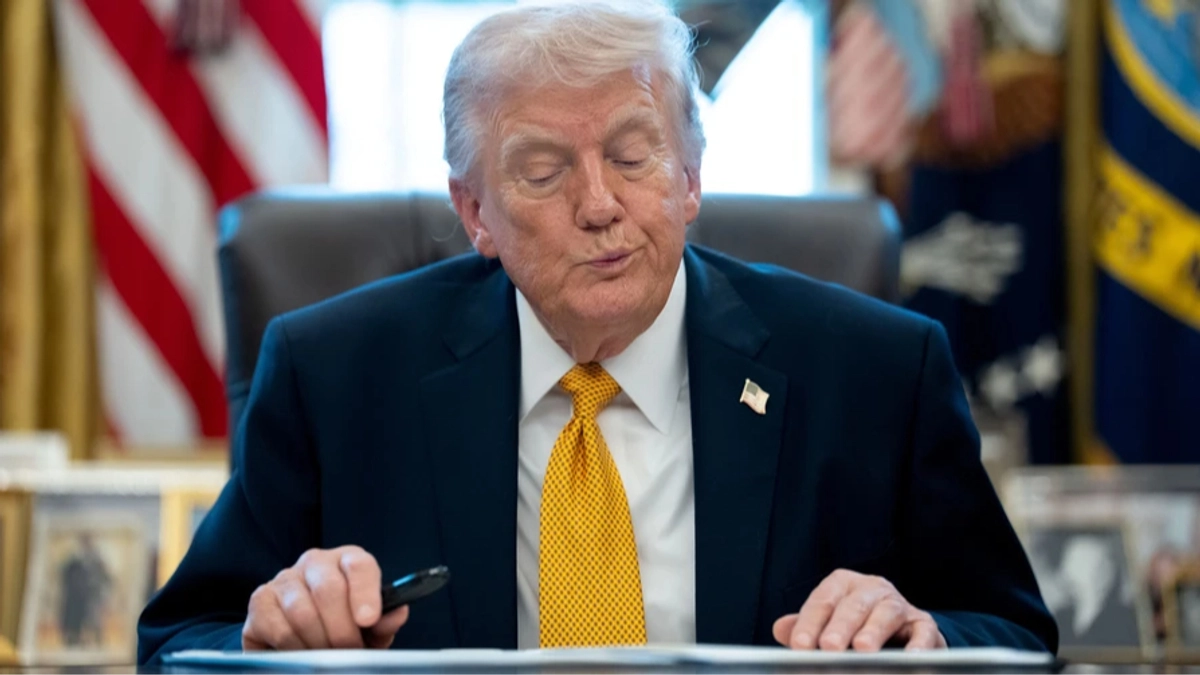
President Donald Trump found himself at the center of a question that went beyond diplomatic small talk: Who controls the digital infrastructure of a war? According to reports, the White House had received indications that Trump had called Musk to request the removal of restrictions on Starlink services in Ukraine. However, Trump himself pushed back against the narrative that a direct conversation had already taken place. In a statement reflecting a mix of confidence and strategic ambiguity, Trump clarified his position. "I haven't talked to Elon Musk. Maybe I will have to, but so far I haven't. If the problem isn't solved, I'll talk to him. But as far as I heard, it's already been solved," he said. The underlying message was clear: the President is prepared to personally resolve the issue with the tech billionaire if necessary, treating the flow of data as a matter of statecraft.
The controversy stems from claims that restrictions affecting the military version of Starlink caused issues for Ukrainian military operations. The origin of these limitations remained a subject of debate. While some reports suggested that Musk initiated the restrictions, Trump expressed uncertainty about who was responsible for the service's limitations. "I have no idea. And even if I knew, I wouldn't tell you. Why would I tell you that?" Trump quipped, effectively refusing to assign blame publicly while keeping the option of intervention open. This lack of transparency added a layer of tension to the unfolding story, leaving observers to wonder whether the restrictions were a technical decision, a commercial choice, or a geopolitical move.
Furthermore, it was confirmed that Musk had removed speed restrictions for Ukrainian military use.

The speed limits on Starlink and Starshield are still there. The speed has not been restored. And the delivery of interceptors to protect us against Russian ballistic missiles is still delayed. We’re waiting for interceptors that were already agreed on. But they are still not coming. This is a real problem, because the Russians attack us almost every single day. All of this is happening while we continue our quite successful operations on the front. We keep defending positions. Things have become harder – partly because of the Starlink and Starshield policies and speed limits. But our frontline is still holding and I am proud of how strong our people are. From an address at the Hudson Institute. (2/3)
On the other side of the conflict, the Kremlin sought to distance itself from any role in the outage. Dmitry Peskov, the Russian President's press secretary, explicitly denied that there were any such restrictions on Starlink linked to Russian actions or requests. This denial added another piece to the puzzle, suggesting that the limitations were likely internal to SpaceX or related to Ukrainian operational needs, rather than external interference from Moscow. By denying the premise, Peskov aimed to frame the issue as a dispute between the US and Ukrainian authorities, or within the corporate structure of SpaceX, rather than a direct Russian countermeasure against digital infrastructure.
Despite the confusion and the weighty implication of the President potentially stepping in to fix a private company's policy, the situation appears to have found a resolution. Trump stated that he had heard the system was working properly again. "If there is a problem, I will solve it," he reiterated, a statement that underscored the extent to which a technology company's operational choices could impact national security and foreign policy. Furthermore, it was confirmed that Musk had removed speed restrictions for Ukrainian military use. This action suggests that the initial limitations may have been a temporary measure or a miscalculation that was quickly rectified once the impact on military operations became apparent.

“Starlink restrictions remain in place,” Zelensky says According to the Ukrainian president, connection speeds have not been restored. He also added that deliveries of interceptors designed to protect against Russian ballistic missiles are still delayed.
What makes this episode unique is the direct line of communication that exists between a head of state and a private CEO. In previous decades, such infrastructure would have been under strict government control or through state-owned enterprises. Today, the internet is a patchwork of private platforms and public needs. Trump’s willingness to say, "I heard that things are already fine, but if they are not, I will talk to him," illustrates a new model of diplomacy where personal relationships with tech leaders are as crucial as relationships with foreign heads of state. The incident did not end in a public confrontation, but in a quiet correction of system parameters.
As of October 23, 2026, the immediate crisis surrounding Starlink in Ukraine has subsided. The speed restrictions have been lifted, and the service is reportedly functioning for military use. However, the underlying vulnerability remains: the fact that the war effort depends on a single private provider, whose policies can shift due to internal decisions. Trump’s pledge to remain in the loop ensures that any future disruptions will face immediate high-level attention. For now, the silence on the phone lines between the White House and SpaceX is a sign of success, but it is a fragile peace, maintained by the promise that the President will step in if the bandwidth is ever cut again.


❗️Zelensky says Starlink and Starshield speed restrictions are still in place and that interceptor deliveries needed to protect Ukraine from Russian ballistic missiles remain delayed. “This is a real problem, because the Russians attack us almost every day,” he said. Zelensky added that Ukraine wants strong, genuinely friendly relations with the US and other partners, without misunderstandings. #Ukraine