In the quiet municipality of Senago, the events of May 2023 left an indelible scar on the community and the nation at large. It was there that Giulia Tramontano, a young woman whose life was stolen in a brutal act of violence, was murdered. The sheer scale of the brutality—marked by 37 stab wounds—sent shockwaves through Italy, forcing a difficult national conversation about the nature of domestic violence and the fragility of safety. For months, the legal proceedings have sought to categorize the motivations behind this act, moving beyond the immediate horror to examine the intent of the man responsible, Alessandro Impagnatiello.

On October 26, 2026, the legal narrative surrounding the case underwent a significant shift. The Milan Court of Assizes, acting under a directive from the Cassation Court, officially upheld the aggravating factor of premeditation in the case against Impagnatiello. This was not merely a procedural update; it was a profound legal acknowledgment that the murder was not an impulsive eruption of violence, but a planned, considered act. As a consequence of this ruling, Impagnatiello’s life sentence has been extended to include a three-month period of daytime isolation, a measure that underscores the court’s recognition of the gravity of his calculated actions.
For the family of Giulia Tramontano, the legal system’s recognition of premeditation serves as a cold, necessary validation of what they have long felt to be true. Chiara Tramontano, Giulia’s sister, has become a vocal presence throughout the proceedings, offering a perspective that is as searing as it is necessary. To Chiara, the implications of the case extend far beyond the courtroom walls. She has described Impagnatiello and his family as an "example of social failure," a phrase that captures the profound sense of betrayal and loss that the family continues to navigate. Her critique is not just of the individual, but of the environment that allowed such a person to exist and act with such impunity.
Perhaps the most chilling aspect of the aftermath has been the perceived lack of contrition from the man who took Giulia’s life.
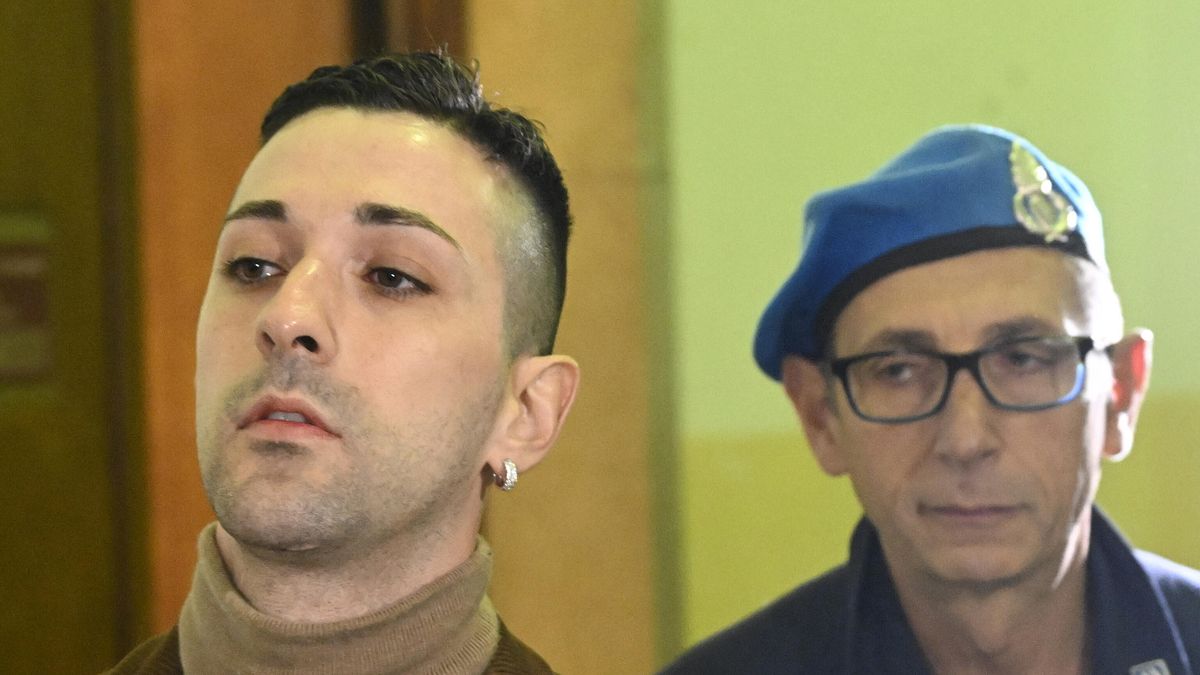
Perhaps the most chilling aspect of the aftermath has been the perceived lack of contrition from the man who took Giulia’s life. Chiara Tramontano has been unflinching in her observations of Impagnatiello’s demeanor during the legal process. She noted that he entered the courtroom with his head held high, appearing "proud of himself and full of his own ego." This observation serves as a stark counterpoint to the traditional expectation of remorse that society often looks for in the wake of such crimes. For the Tramontano family, this lack of repentance is a defining feature of the perpetrator’s character, one that makes the process of seeking justice both exhausting and essential.
As the case moves forward, the legacy of the murder of Giulia Tramontano has taken on a cautionary dimension. Chiara Tramontano has made a direct appeal to the younger generation, urging them to look at the facts of this case as a template for what to avoid. She suggests that if one were to search for an example of a life gone wrong—a person who has never shown a shred of genuine regret—the name Alessandro Impagnatiello serves as that grim reference point. Her words reflect a desire to transform a personal tragedy into a societal lesson, ensuring that the memory of her sister is not just defined by the violence she endured, but by the ongoing, difficult fight for truth and accountability.