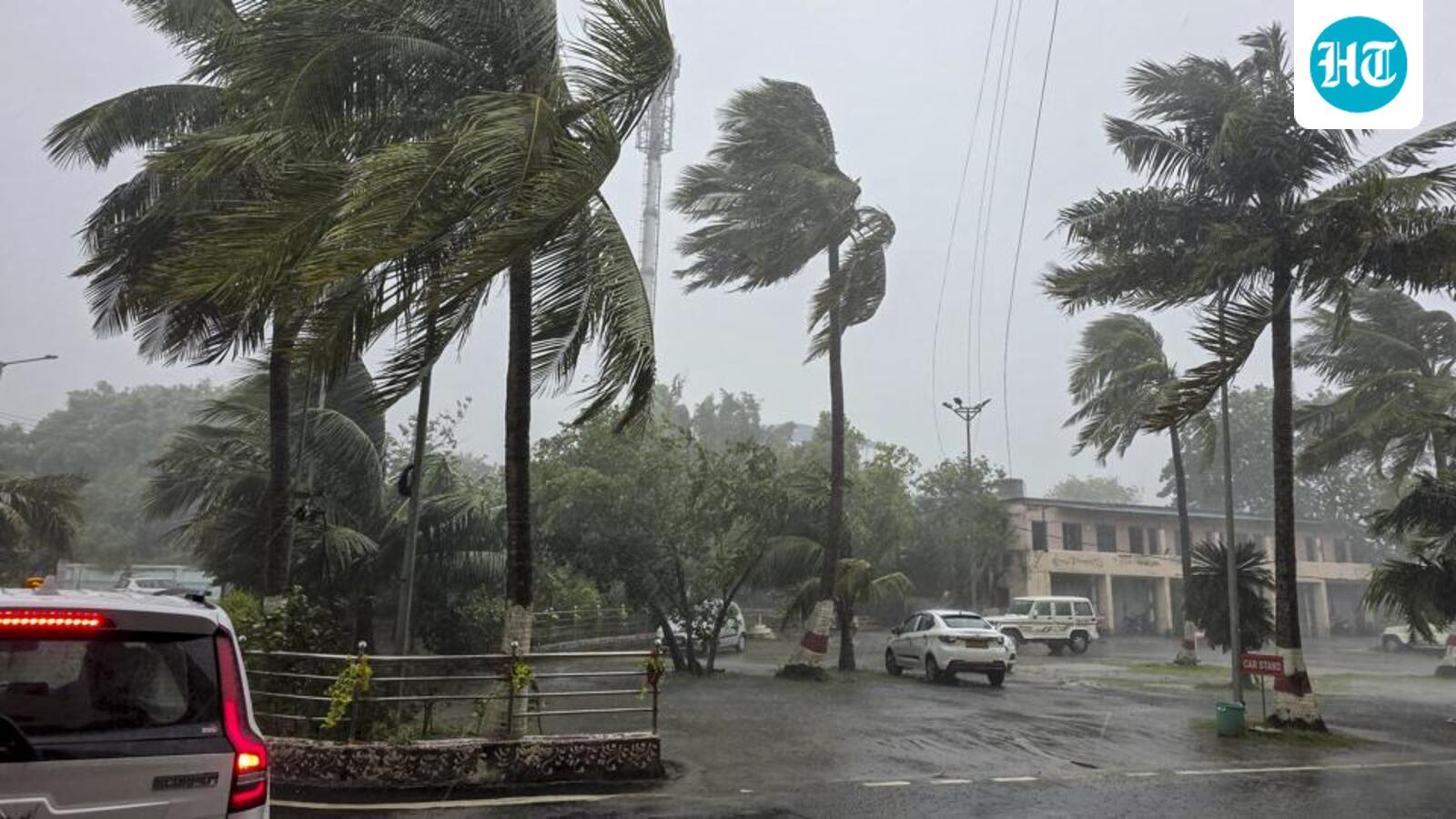
Cyclone Arnab, which had been a formidable storm, has now weakened to a deep depression, but its impact on the southern states of Odisha and Andhra Pradesh remains significant. The cyclone's path has brought heavy rainfall and flooding, leading to landslides and road damage. The Odisha State Government and the Central Government have been closely monitoring the situation, with the Odisha authorities issuing regular updates on the rainfall and its effects.

In Odisha's Rayagada district, the cyclone's impact has decreased. According to Ashutosh Kulkarni, the District Collector, the district recorded 40 millimeters of rain in the 24 hours that ended at 8:30 am, followed by another 26 millimeters by the evening. Kulkarni stated, 'In the 24 hours that ended today at 8:30 am, Rayagada recorded 40mm of rainfall, and since then till today in the evening, about 26mm of rainfall has been recorded. So it has been quite less than what we had expected. Even now, as the rains have subsided, no major threat exists now.' Despite the reduction in rainfall, authorities are maintaining a high level of alertness, as the cyclone's effects are still being monitored.
In Andhra Pradesh, the situation is equally concerning. The Chief Minister, Naidu, has been in close contact with the Central Minister Amit Shah to discuss the cyclone's impact. Reports indicate that over 70,000 hectares of crops have been inundated, leading to significant crop damage. The Andhra Pradesh authorities have briefed the Union Minister on the situation and requested the immediate deployment of Central assessment teams to evaluate the extent of the damage and provide necessary assistance.
The Central Government has allocated resources and personnel to assist in the assessment and mitigation of the damage caused by the cyclone.
The Vamsadhara and Mahendratanaya rivers in Ganjam and Gajapati districts are flowing above their danger marks, leading to flooding in several localities. The water level of the Vamsadhara river at Kashinagar has reached 55.58 meters, which is 54.60 meters above the danger mark. In Ganjam district, several localities are inundated, and the Ghodahada bridge near Palaspur has seen floodwater levels rise to 5 feet, causing significant disruption to local transportation and daily life.
The Malkangiri district headquarters is located 60 kilometers away from the affected areas, but the district remains under high alert. The cyclone's effects are still being closely monitored, and authorities are taking necessary measures to mitigate any potential threats. Ashutosh Kulkarni, the District Collector, has stated, 'We are in high alert... there is a possibility of more rain in Rayagada.' This statement underscores the ongoing concerns and the need for continued vigilance.
The Central Government has also been actively involved in addressing the situation. Minister Amit Shah has been coordinating with the Andhra Pradesh authorities to ensure a swift and effective response to the cyclone's impact. The Central Government has allocated resources and personnel to assist in the assessment and mitigation of the damage caused by the cyclone. The IMD (Indian Meteorological Department) has issued a warning of a potential new low-pressure area, adding to the ongoing concerns.
As Cyclone Arnab continues to weaken, the focus now shifts to the aftermath. The authorities in both Odisha and Andhra Pradesh are working to assess the damage, provide relief to affected communities, and begin the process of recovery. The high alert status and the ongoing monitoring of weather conditions indicate that the situation remains fluid and requires continued attention from all stakeholders. The Central Government's support and coordination with state authorities will be crucial in ensuring an effective response to the cyclone's impact.
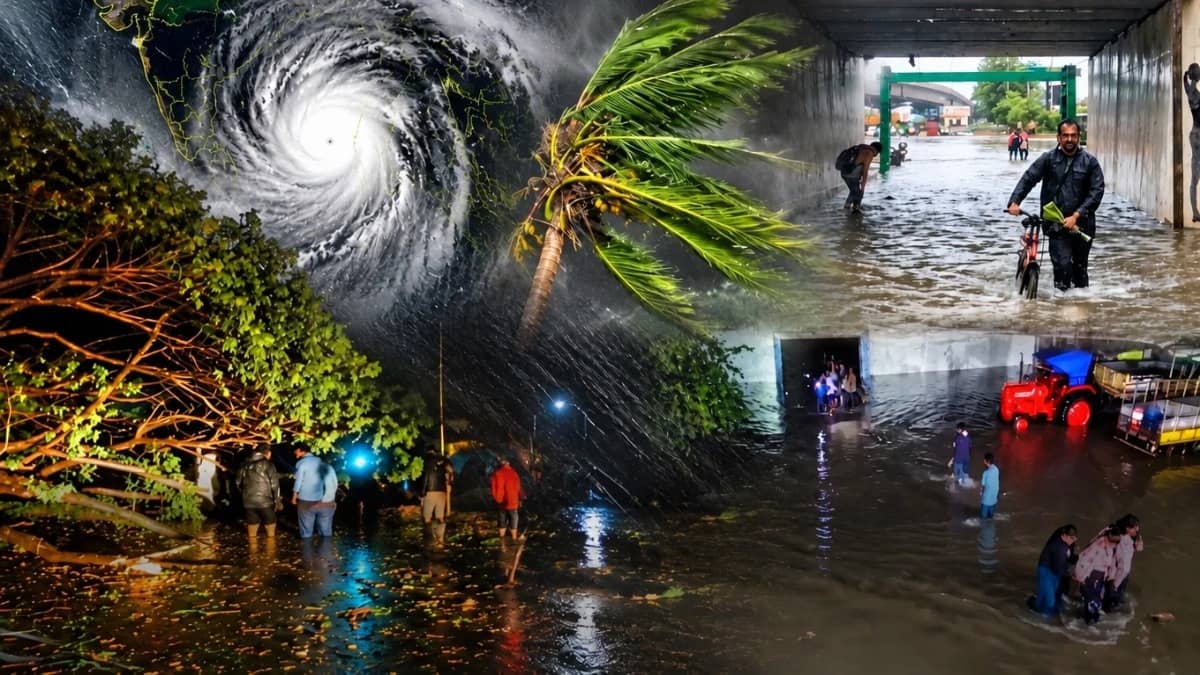
Cyclone Arnab, though now a weaker storm, continues to pose significant challenges to the affected regions. The reduction in rainfall in Rayagada district, while a positive development, has not diminished the need for vigilance. The ongoing flooding and the potential for new low-pressure areas highlight the importance of continued monitoring and preparedness. As the situation evolves, the cooperation between state and central authorities will be key to ensuring the safety and well-being of the affected communities.