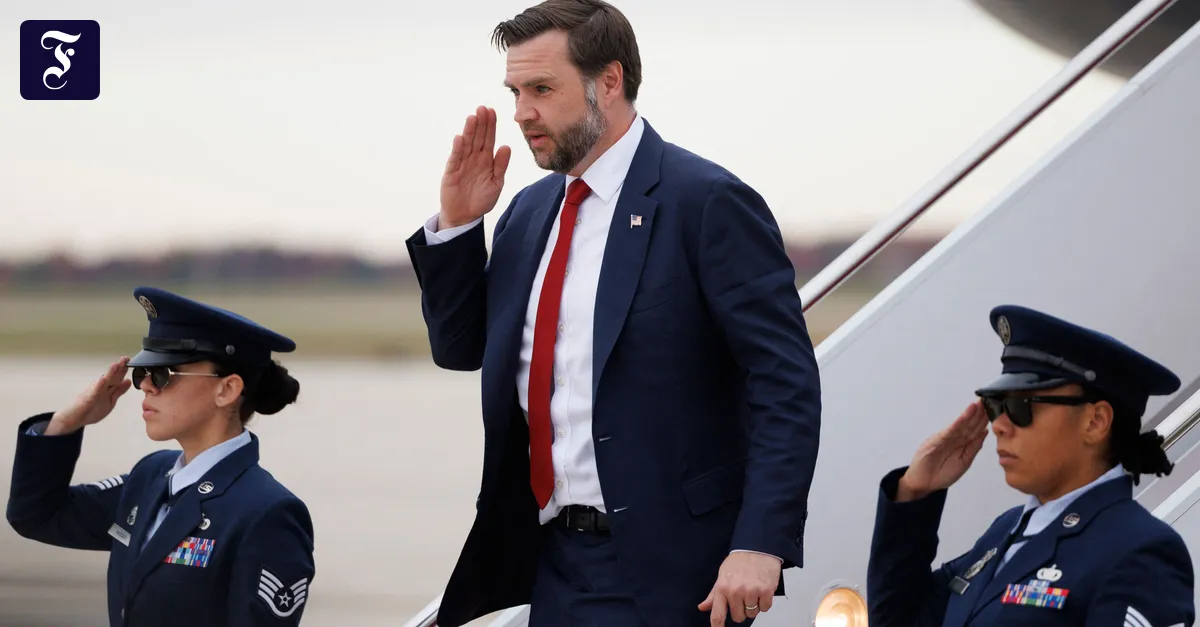
The dust has barely settled on the 2026 midterm elections, but the political landscape of the United States has already undergone a seismic shift. As the Democratic Party prepares to take control of both chambers of Congress, the Republican Party is left to grapple with a stinging defeat that has sparked an internal reckoning. At the center of this post-election autopsy is Vice President JD Vance, who has emerged as a vocal critic of the very administration he serves, linking the party's losses directly to the ongoing conflict with Iran.

The election results, finalized in early November 2026, represent a significant victory for the Democrats. With control of both the House of Representatives and the Senate now within their grasp, the political momentum has swung decisively. For the Republicans, the loss is not merely a setback but a fundamental challenge to their current trajectory. Financial analysts and observers, including those at the Financial Times, suggest that these results reflect a profound opposition to President Donald Trump and the specific policies of his administration.
In the aftermath, the atmosphere within the Republican camp is one of intense scrutiny. While the party had expected to hold its ground, the reality of the vote tells a different story. The Democrats are poised to command the legislative agenda, leaving the Republican leadership to explain how a party with a high turnout of its base managed to lose such critical ground.
To understand why Republican-leaning voters crossed the aisle, one must look at the specific grievances driving them toward the Democratic Party.
Vice President Vance has not been shy about identifying the primary culprit for the Republican decline. During his post-election assessments, he pointed to the war with Iran as the decisive factor. "The cause of our defeat was the war," Vance stated, noting that the sentiment was shared by the President himself the previous night. To Vance, the conflict has become a political liability that alienated a crucial segment of the electorate.
This assessment creates a sharp ideological rift within the Republican Party. While Vance urges a moment of honest reflection, President Trump has maintained a steadfast defense of the administration's foreign policy. Trump has stated that he does not regret the decision to engage in war against Iran and would make the same decision again. This tension between the Vice President's call for accountability and the President's resolve highlights a party at a crossroads, struggling to reconcile its military actions with the will of the voters.
To understand why Republican-leaning voters crossed the aisle, one must look at the specific grievances driving them toward the Democratic Party. Vance explained that while many of these voters did turn out, they did so to vote for Democrats, driven by a deep-seated dissatisfaction with the current administration's priorities. According to survey data cited by the Vice President, the reasons for this shift are remarkably consistent.
There are four primary drivers behind this movement. First, there is a demand to end the war. Second, voters are seeking a concentrated focus on the cost of living and the persistent pressure of inflation. Third, there is a desire to see the administration prioritize domestic issues within the United States. Finally, a significant portion of the electorate is calling for a reevaluation of the principles governing the nation's relationship with Israel. These are not merely policy preferences; they are the conditions under which Vance believes Republican voters will eventually return to their party.
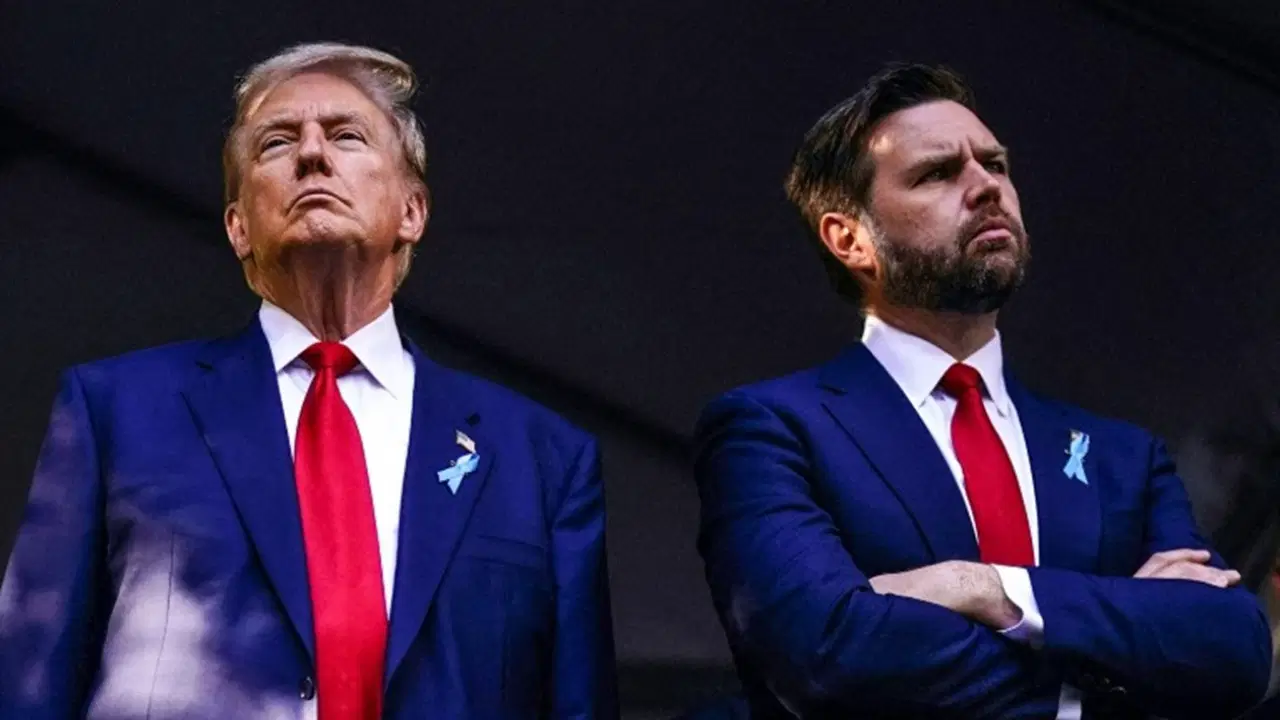
Vance's critique is not just directed at the Democrats, but at his own colleagues. He has issued a direct challenge to those within the Republican ranks who believe the military and political costs of the war were justified. He argued that if members of the party believe the loss of a Senate majority for the next six years was a price worth paying for the conflict, they should be prepared to say so openly and justify that stance.
"If you want to claim that it was worth it, that losing the Senate for the next six years was worth it, then do that," Vance remarked. "Claim that it was a justified price. Agree or disagree, but at least be honest." For Vance, the path forward requires a "honest discussion" about the direction of the party, starting from this very point of failure.
As the transition of power begins, the Republican Party faces a period of profound introspection. The loss of control over the House and Senate means that the era of unilateral policy execution is under scrutiny. President Trump has acknowledged the defeat and has expressed a willingness to work with the Democrats, a necessary pragmatism in a divided government.
Yet, the internal friction remains. The divide between a President committed to his original course and a Vice President calling for a fundamental pivot on war and domestic economics suggests that the Republican Party's future will be defined by how it resolves these contradictions. For now, the country moves toward a new legislative reality, shaped by an electorate that has signaled a clear desire for change in both foreign and domestic spheres.