
When the results of the mid-term elections settled, the political terrain in Washington underwent an immediate shift. The elections resulted in Democrats securing a majority in the House of Representatives. For the administration of President Donald Trump, this parliamentary turn threatened to complicate the White House's legislative agenda, setting off internal discussions about key personnel changes across the executive branch.
The legislative setbacks following the midterm elections quickly echoed through executive halls, sparking speculation about high-level administration changes. As the reality of the congressional shift took hold, internal conversations within the Trump administration broadened to examine the future leadership of core cabinet posts.
At the center of these potential changes is current Secretary of State Marco Rubio, who currently heads the State Department. Discussions have emerged regarding Rubio's potential departure from the administration. The driver behind a possible change stems from long-term political planning: Rubio may leave the administration to prepare for a presidential bid, eyeing candidate runs in either 2028 or 2032. For an administration facing new challenges on Capitol Hill, any transition at the helm of American foreign policy presents a major pivot point.
A former high-ranking White House aide and a close ally of President Trump, Gor is viewed as a key mediator between Washington and a significant part of Asia.
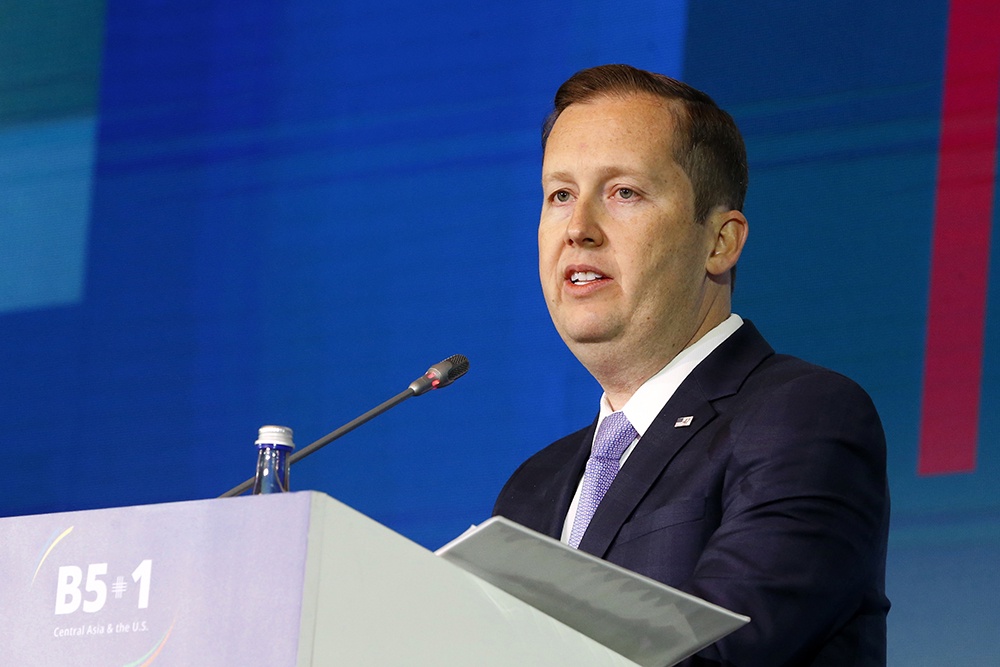
As deliberations over replacing Rubio surfaced, attention turned toward Sergio Gor, the U.S. Ambassador to India. A former high-ranking White House aide and a close ally of President Trump, Gor is viewed as a key mediator between Washington and a significant part of Asia. Highly regarded by sources close to President Trump, Gor brings a distinct personal background to diplomatic discussions: born in the Uzbek SSR, he has Russian connections and has established himself as a trusted presidential associate. Following the midterms, media reports indicated that Gor was identified by The Washington Sun and other outlets as a potential candidate who may be offered the post of Secretary of State.
Despite the mounting media reports, Gor has publicly pushed back against the idea that he is seeking to replace Rubio. Addressing the speculation directly, the ambassador denied any interest in taking over the State Department. Nevertheless, sources close to President Trump report that Gor remains highly regarded within presidential circles as administration officials weigh options for key cabinet positions.
Whether these potential personnel shifts materialize or remain confined to internal administration talks, the proposed changes carry clear implications for U.S. foreign policy. Transitioning leadership from Rubio to a close presidential ally like Gor would mark a distinct moment in how Washington manages its global posture. As the Trump administration adapts to a Democratic majority in the House of Representatives, the ultimate resolution of its diplomatic leadership will shape how American strategy moves forward.