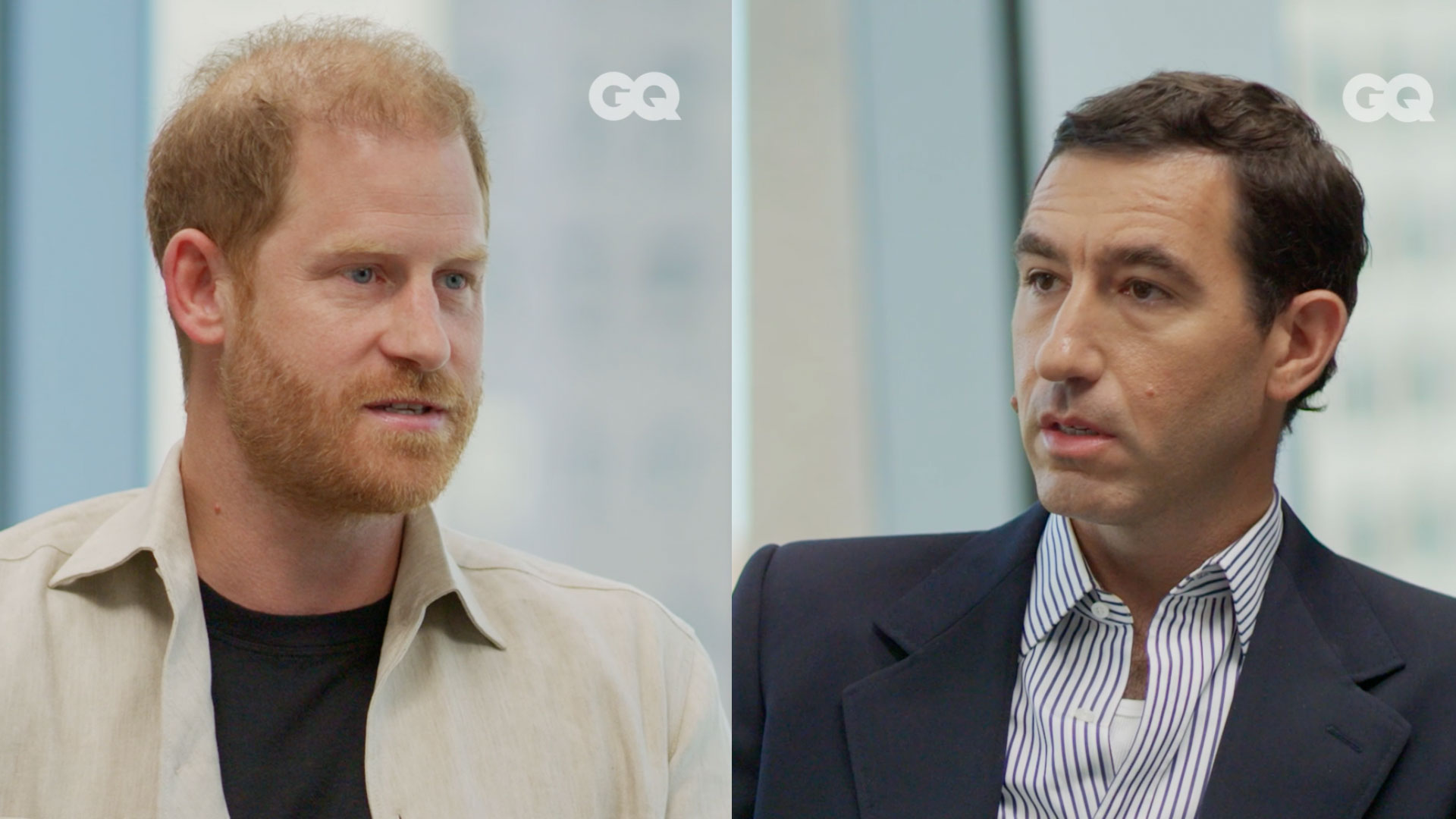
On 2026-10-20 the King and the Prince of Wales hosted the Sultan of Oman at Windsor Castle. The same day, a different kind of royal appearance arrived in print. GQ magazine released its One More Question interview with Prince Harry. For a newcomer to the story, the timing is the first clue to how the family lives in parallel tracks: public duty in one place, personal reckoning in another.

The core of the conversation is a direct statement about the rift. Prince Harry says he wants to reconcile with his father, King Charles, and his brother, Prince William. He puts it plainly: "I want to work it out". The line is not a negotiation tactic; in the interview it is presented as a personal insistence. Reconciliation here means moving from a fractured relationship toward repair, and Harry frames it as a choice he is making now rather than a condition he is waiting for.

Prince Harry admits he wants to reconcile with William and King Charles https://t.co/zSmsTCvlJP https://t.co/A40KK3sMwQ
Harry acknowledges the pain of the fractured relationship and the grief he feels. He notes that family conflicts are a relatable human experience, a way of placing a royal story inside a more ordinary emotional register. The emphasis is not on titles or protocol but on the experience of loss within a family. He also emphasizes the need to move past historical grievances given the global state of affairs, linking a private wish for repair to a broader sense of urgency about what matters.
The clarification matters because it separates a comment about external pressures from an accusation toward King Charles or Prince William.
The distance is quantified. It has been 4 years since Harry spoke to his brother. That span gives shape to the word grief. Four years is long enough for routines to settle, for public narratives to harden, and for a silence to become its own fact. The interview does not detail what happened in those years, only that the absence of conversation is part of what Harry is trying to address.
The interview also includes an update on the King’s health. Harry says the King is "getting better". The comment is brief and personal, and it sits alongside the more difficult talk about relationship repair. For readers new to the story, it matters because health has been a recurring public concern for King Charles, and a family member’s assessment carries a different weight than an official statement. The claim is simple and unadorned: getting better.
Harry is asked about obstacles. He says, "Some people don’t want it to work out." A spokesperson clarified that the remark was general and not specifically directed at his family members. The clarification matters because it separates a comment about external pressures from an accusation toward King Charles or Prince William. The line also reveals Harry’s awareness that reconciliation is not only about two people wanting it; it can be complicated by others with interests in the status quo.

Prince Harry admits he wants to ‘work things out’ with estranged Charles and William https://t.co/1WdamDvFvr
The GQ piece is not only about family. The source summary notes the article also touches on Harry’s defense of his memoir, comments on Donald Trump, and the health update. Those beats show the interview’s range: personal history, public writing, and political observation sit next to the family question. For a newcomer, that range helps explain why the reconciliation message is delivered in a magazine context rather than a palace statement.

Prince Harry is 42 years old. He has said he wants to reconcile with King Charles and Prince William, he has named the grief he feels, and he has marked four years since he last spoke to his brother. On the same day his words were published, the King and the Prince of Wales carried out a formal engagement at Windsor Castle. The two realities coexist: a public institution continuing its duties, and a son and brother publicly stating he wants to work it out. No meeting has been announced, and no response from the King or Prince William is part of the material released. The story remains at the point of an expressed desire, clarified and qualified, waiting for what comes next.