In 1999, Japan Tobacco International (JTI) quietly entered the Russian market, a move that would eventually transform the landscape of cigarette production. Over the years, JTI invested $4.6 billion in Russia, becoming the market leader in 2018 with a share of approximately 40% of the Russian cigarette market. This investment was part of a larger strategy to establish a foothold in one of the world's largest cigarette markets, a market that had been dominated by British American Tobacco (BAT) and Philip Morris International (PMI) until JTI's entry.

JTI's operations in Russia were not immune to the geopolitical storms brewing in the region. Following the 2022 invasion of Ukraine, JTI suspended new investments in Russia, a move that reflected the broader international response to Russia's actions. However, the company maintained its operations, a decision that was likely influenced by its significant market share and the potential for long-term profits.

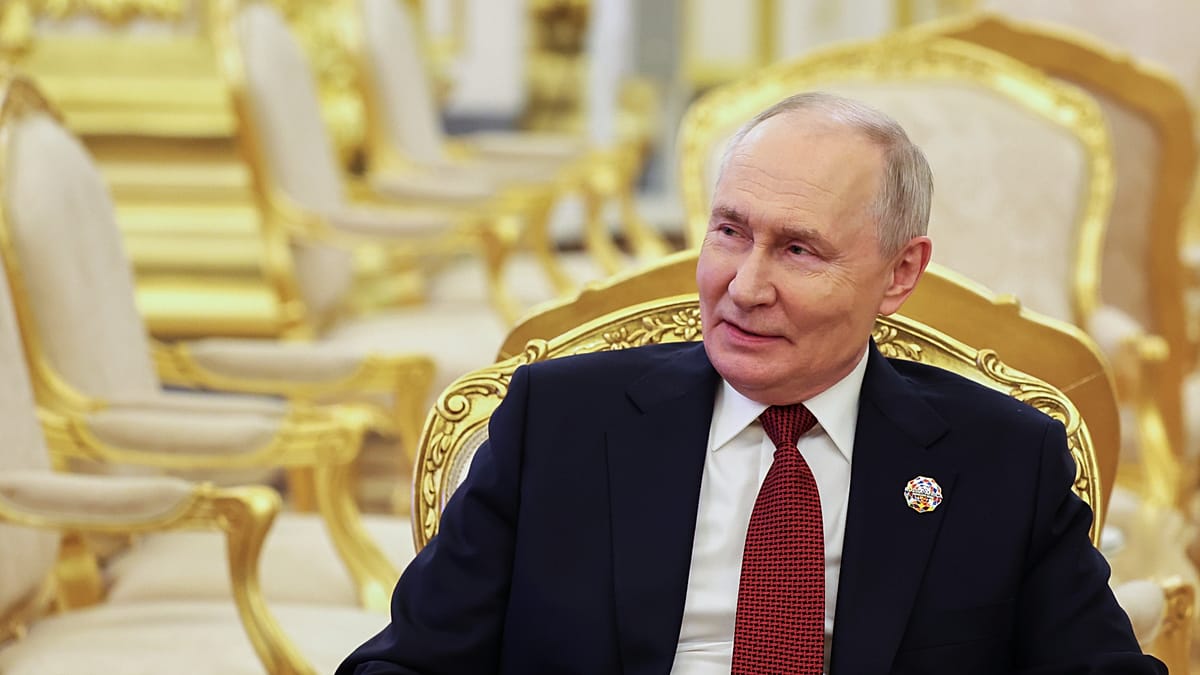
President Vladimir Putin has transferred Russian assets of the tobacco group JTI Investments Sarl to the temporary management of the company "Industrial Assets."
On October 1, 2025, Russian President Vladimir Putin signed a decree that placed JTI's Russian operations under the control of AO Promyshlennye aktivy, a state-linked entity. This move was part of a broader pattern of state management applied to other foreign firms, including Nestlé and Auchan. The seizure affects four factories and 4,000 employees, representing a substantial portion of the Russian cigarette market. JTI, for its part, has been critical of the decision, viewing it as a significant setback to its business in Russia.
The seizure of JTI's assets is seen as a step towards ensuring that Russian firms can continue to operate without the interference of foreign entities.
The decision to place JTI under state control comes amidst heightened diplomatic tensions between Russia and Japan. In a recent development, a Japanese journalist was arrested on espionage charges, adding another layer of complexity to the relationship. This arrest, coupled with the state takeover of JTI, underscores the growing friction between the two nations.

Putin has de facto nationalized the Russian assets of Japan Tobacco International (JTI), transferring control of four subsidiaries to a Russian company called Industrial Assets. The move affects tobacco operations in Rostov-on-Don, Yelets and St Petersburg. JTI's Japanese parent company is one-third owned by the Japanese government and the decision comes weeks after Russia detained Japanese journalist Yuki Imai on espionage allegations, which Tokyo disputes.
The process of taking control of tobacco companies' assets in Russia is unprecedented. According to Putin's order, JTI's shares in Russian companies are being transferred to a local company. This move is part of a larger strategy to assert greater control over key industries and to mitigate the impact of Western sanctions. The seizure of JTI's assets is seen as a step towards ensuring that Russian firms can continue to operate without the interference of foreign entities.
The impact of this move on the Russian cigarette market is significant. With JTI holding approximately 40% of the market, the transfer of its operations to state control will likely lead to a reconfiguration of the market dynamics. For JTI employees, the situation is uncertain. While the company has maintained operations, the transfer of control to a state-linked entity could result in job losses or changes in the company's operations. The employees, many of whom have been with JTI for years, are now facing an uncertain future.

Putin seizes Russian operations of Japanese tobacco giant JTI ➡️ https://t.co/rIacmqogTU https://t.co/V3ECXv12z6
This move by Putin is part of a broader strategy to assert greater control over key industries. The seizure of JTI's assets in Russia follows similar actions taken against other foreign firms, including Nestlé and Auchan. These actions are part of a larger effort to reduce the influence of foreign entities in Russia and to ensure that key industries remain under state control. The move is seen as a response to Western sanctions and a way to protect Russian interests in the face of international pressure.
As Russia places JTI's operations under state control, the company faces a new chapter in its history in Russia. The decision is part of a broader strategy to assert greater control over key industries and to mitigate the impact of Western sanctions. For JTI, the move is a significant setback, but it also presents an opportunity to adapt to the new reality. The future of JTI in Russia is uncertain, but one thing is clear: the company will need to navigate the complex landscape of Russian politics and economics in the years to come.