
In the halls of Jawaharlal Nehru University (JNU), a prestigious academic institution in New Delhi, a storm has been brewing over allegations of sexual harassment against one of its former professors. Angomcha Bimol Akoijam, a Congress MP and former JNU professor, finds himself at the center of a legal battle that has not only cost him his position but also raised questions about due process and institutional accountability.
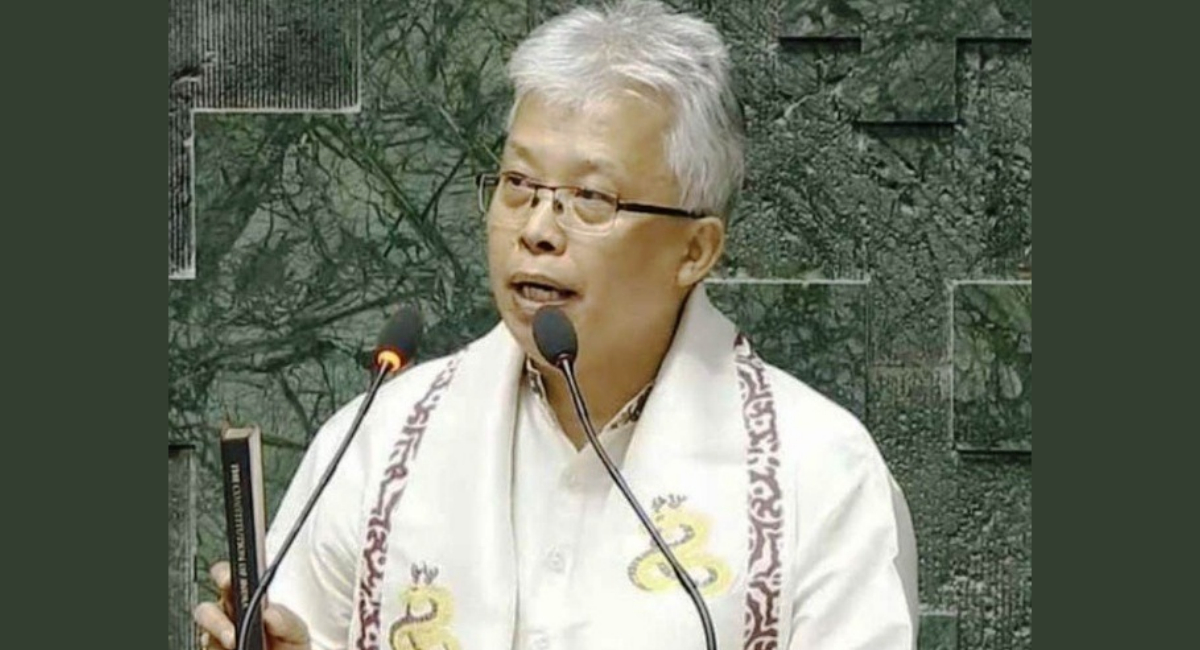
The controversy began in May 2023 when at least 11 female students came forward with serious accusations against Professor Akoijam. According to their complaints, the professor allegedly made obscene and inappropriate remarks during classes. More disturbingly, they claimed he invited students to his campus residence under the pretext of meetings or social gatherings, where he attempted to sexually harass them. These allegations formed the basis of a formal investigation by JNU's Internal Committee.
Following a thorough examination of the complaints, JNU's Internal Committee recorded its findings, assessment, and observations. Based on these findings, the university terminated Akoijam's services in October 2023.
Based on these findings, the university terminated Akoijam's services in October 2023.
On October 12, 2023, Delhi Police registered an FIR against Akoijam at Vasant Kunj North police station, formalizing the criminal investigation into the sexual harassment allegations.
In response to these developments, Professor Akoijam has described his dismissal as a "witch hunt" and has raised concerns about whether due process was followed in his case.
Seeking protection from potential arrest, Akoijam filed an anticipatory bail plea in a Delhi court. The court directed Delhi Police to respond to his plea and prohibited any coercive action against him until the next hearing scheduled for November 5, 2023.
The Delhi High Court stayed JNU's termination order, pending further hearings scheduled for January 2027.
As the case moves through the legal system, with hearings scheduled for November 2023 and January 2027, the questions surrounding due process, institutional accountability, and the rights of both the accused and the accusers remain at the forefront.