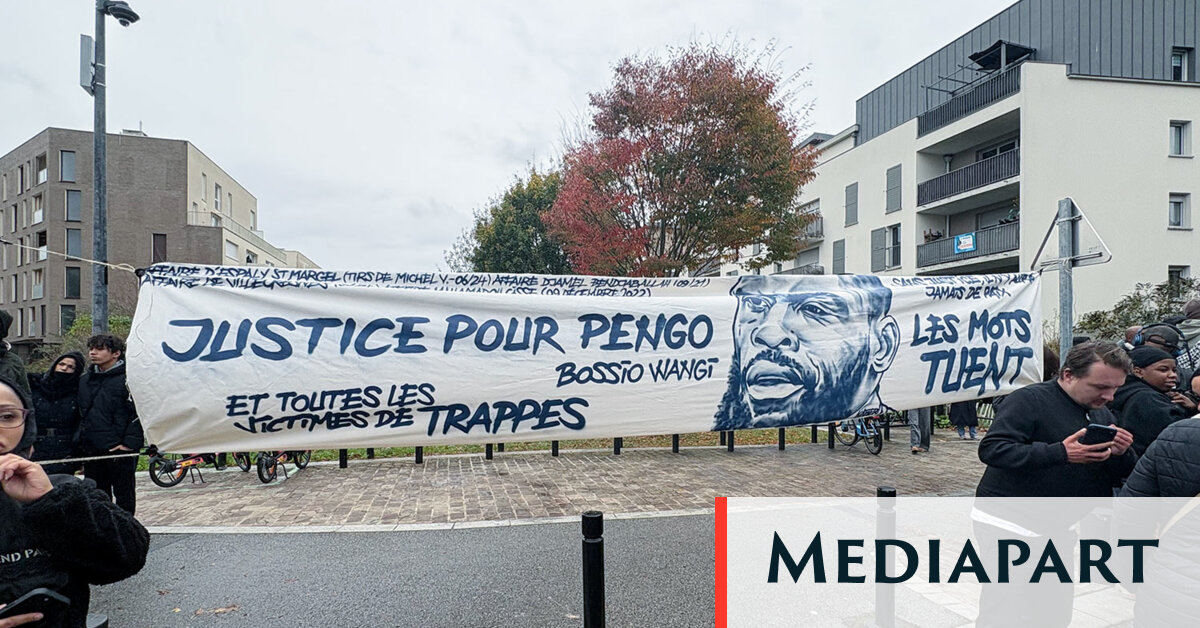
In Trappes, a town of 34,000 residents in the Yvelines department, the rhythm of daily life was shattered on October 23, 2026. The community, like much of France, was forced to confront the brutal intersection of violence and prejudice when Pengo Bossio Wangi, a 26-year-old MMA fighter, was killed. Known to those around him for his unwavering determination and a positive spirit that defined his approach to both the ring and his personal life, Wangi’s death was not merely a tragedy of circumstance; it was, according to those closest to him and the observers of the event, a targeted act of hate. The incident has cast a long shadow over the region, turning a quiet corner of the Yvelines into the epicenter of a national conversation about the persistence of racism.
The violence that unfolded in Trappes has been characterized by many as a terrorist attack, a designation that underscores the severity of the incident. Beyond the loss of Wangi, the attack left four other individuals injured, marking a grim escalation in the local climate of hostility. For many observers, the tragedy serves as a harrowing reminder of how quickly the vitriol often found in digital spaces can manifest as physical violence on the street. The transition from virtual rhetoric to real-world bloodletting has left the community in a state of profound shock, forcing a reckoning with the safety of public spaces and the vulnerability of those targeted by racial animus.
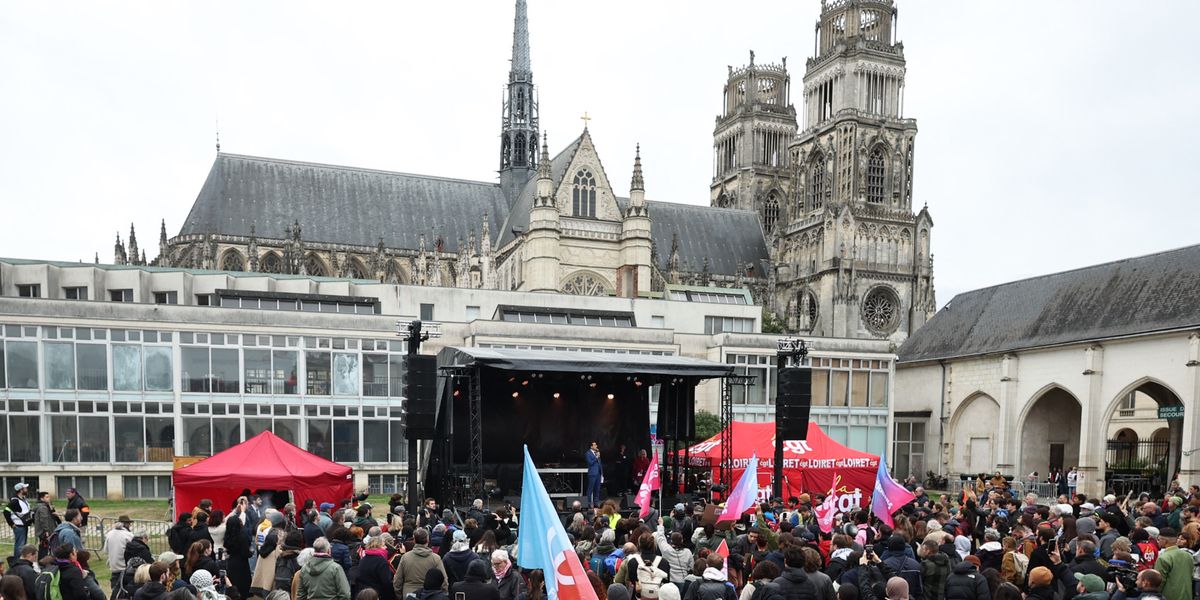
By October 24, 2026, the shock had begun to coalesce into a collective expression of grief and defiance. Hundreds of people gathered in Trappes to pay their respects to Wangi, transforming the site of the violence into a space of remembrance. The atmosphere was thick with both sorrow and a palpable sense of anger. Family members, standing at the center of the gathering, made their position clear: they are seeking justice and refuse to be silenced by the circumstances of their loved one’s death. Their message, "On ne lâchera pas, on continuera"—we will not let go, we will continue—has become the rallying cry for a community demanding accountability.
Their message, "On ne lâchera pas, on continuera"—we will not let go, we will continue—has become the rallying cry for a community demanding accountability.
The tragedy has drawn significant attention from political figures and activists who see the killing of Wangi as a symptom of a deeper, systemic rot. Prominent voices, including Assa Traoré, Thomas Portes, and Mathilde Panot, have been vocal in their criticism of the conditions that allowed such an attack to occur. For Traoré, the motive behind the violence is undeniable, stating plainly, "Pengo est mort parce qu’il était noir"—Pengo died because he was Black. This assertion has fueled the growing demand for a broader investigation into the roots of racial violence in France, moving the conversation beyond the specific details of the Trappes incident to the wider societal structures that permit such hatred to flourish.
As the investigation into the shooting continues, the Pnat (the National Anti-Terrorism Prosecutor's Office) has taken charge of the case, signaling the gravity with which the state is treating the incident. The involvement of such a high-level authority reflects the recognition that this was not a random crime, but a calculated act of terror. As the legal process begins, the focus remains on the pursuit of truth and the necessity of addressing the racial motivations behind the attack. With a memorial march already planned for Sunday in Aubervilliers, the momentum of the movement continues to grow, ensuring that the memory of Pengo Bossio Wangi remains at the forefront of the national agenda.