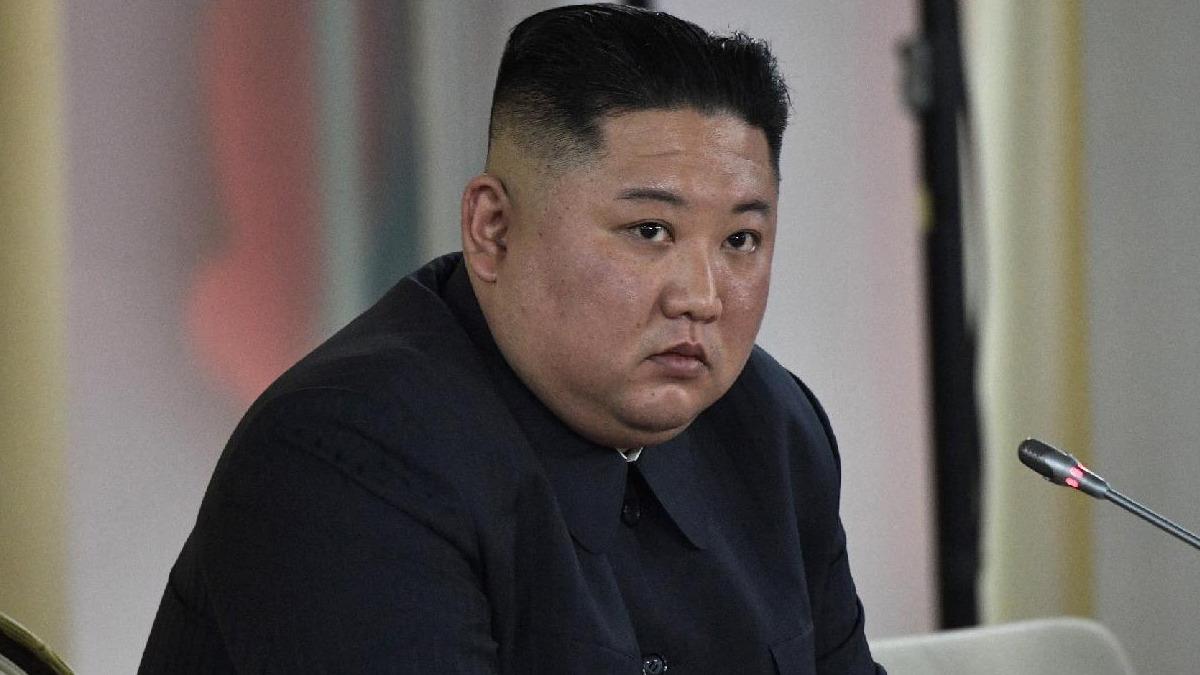
In the high-stakes world of international intelligence, few things are as volatile as the health of a dictator. On October 20, 2026, the global information ecosystem was jolted by a series of sensational reports suggesting that North Korean leader Kim Jong-un had died. The rumors were specific and grave: The Sun reported that the leader had suffered a stroke and fallen into a coma. For a nation that guards its internal affairs with near-total secrecy, the vacuum created by such claims was immediately filled by intense geopolitical speculation.

At the center of these rumors was the physical state of the North Korean leader, whose health has long been a subject of intense scrutiny by foreign analysts. Observers have frequently pointed to his 140-kilogram frame as a potential indicator of underlying medical vulnerabilities. When reports surfaced on October 20, 2026, claiming he had suffered a stroke, the international community reacted with a mixture of skepticism and urgency. The prospect of a sudden power vacuum in a nuclear-armed state is a scenario that keeps regional powers and intelligence agencies on high alert, turning every unverified report into a potential flashpoint for global stability.
As the rumors of his death circulated, the conversation quickly shifted to the question of who would inherit the mantle of the Kim dynasty. Speculation centered on a two-tiered transition: first, a temporary handover of power to his sister, Kim Yong-chol, followed by a long-term succession plan involving his 13-year-old daughter, Kim Ju-eh. This narrative gained traction as observers noted Kim Ju-eh’s increasingly prominent role in public life, a development that many interpreted as a deliberate grooming process for the eventual transfer of power. The idea of a 13-year-old heir apparent underscored the fragility of the regime’s stability, sparking debates about whether such a transition could hold in a country defined by rigid, patriarchal power structures.
The images depicted the leader interacting with officials and closely inspecting various products, a visual rebuttal intended to project strength and continuity.
Within hours of the initial reports, the North Korean state apparatus moved to dismantle the narrative of its leader's demise. In a calculated display of normalcy, state media released a series of photographs appearing to show Kim Jong-un at a clothing and footwear exhibition. The images depicted the leader interacting with officials and closely inspecting various products, a visual rebuttal intended to project strength and continuity. While the exact date of these photographs remains unclear, their release on October 20, 2026, served as a direct, if silent, challenge to the reports of his death.
This cycle of rumor and rebuttal is a hallmark of the North Korean information environment. By placing the leader in a mundane setting—an exhibition of shoes and clothes—the regime sought to transform the conversation from one of mortality to one of domestic governance. It is a classic strategy: when the world whispers of a collapse, the state responds with the mundane, signaling that the machinery of government is still functioning. For the outside world, however, the ambiguity remains. The photographs provide a visual anchor, but they do not fully resolve the questions surrounding the leader’s health or the long-term trajectory of his regime.
As the dust settles on this latest episode of global speculation, the reality of the situation remains as obscured as ever. The tension between the sensational reports of a medical crisis and the carefully curated images of a functioning leader highlights the difficulty of discerning truth within a closed system. Whether these rumors were a manifestation of genuine concern or a byproduct of the intense, often opaque, nature of international reporting, they underscore the precariousness of North Korean leadership. For now, the world is left to watch and wait, knowing that in Pyongyang, the truth is rarely found in the headlines, but in the silence that follows.