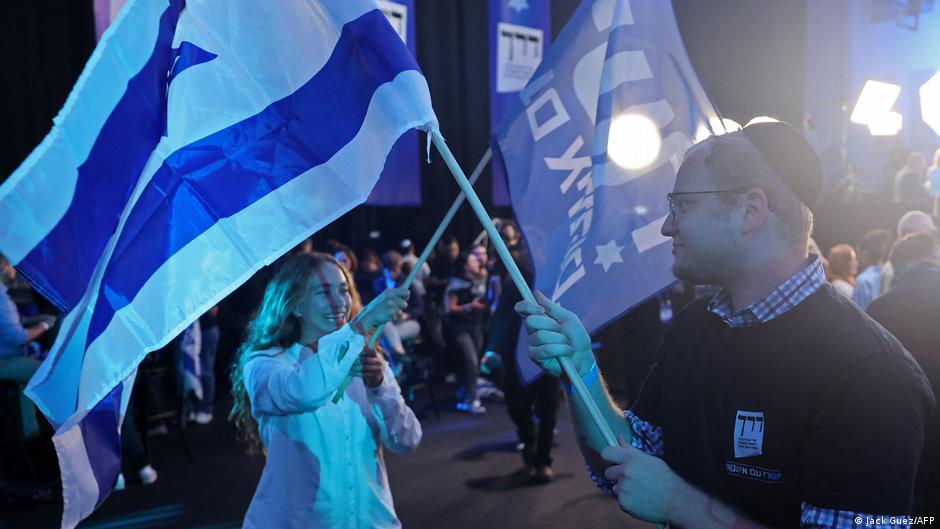
In the early morning hours of October 28, 2026, Israelis cast their ballots in a parliamentary election that would determine the future of their nation. With a 77.7% turnout, over 5.7 million voters headed to the polls, marking a significant participation rate. The election was a contentious affair, with the pro-Netanyahu bloc and the anti-Netanyahu bloc vying for control. The stakes were high, with the outcome potentially altering the course of Israeli politics for years to come.
As the night wore on, exit polls from Israeli broadcasters began to emerge, painting a picture of a fiercely competitive election. According to the public broadcaster KAN, both the pro-Netanyahu bloc and the anti-Netanyahu bloc were projected to win 51 seats each. This result, while close, was not a clear victory for either side. Arab parties, which had been expected to hold a smaller number of seats, emerged as a significant force, winning about 18 seats. This development could have far-reaching implications for the political landscape.

Benjamin Netanyahu declares his Likud party the largest in Israel and calls for a "strong national right-wing government" in his first election-night address, as the country awaits official results. Speaking to supporters at Likud headquarters, Netanyahu insists his party has emerged on top even as updated exit polls show his governing bloc falling short of the 61 seats needed for a parliamentary majority. The election remains too close to determine who will form Israel's next government, with Netanyahu's rivals also seeking a path to power. Read more about Netanyahu's remarks and the political uncertainty as Israel awaits official results: https://t.co/zL9bFuaUSx
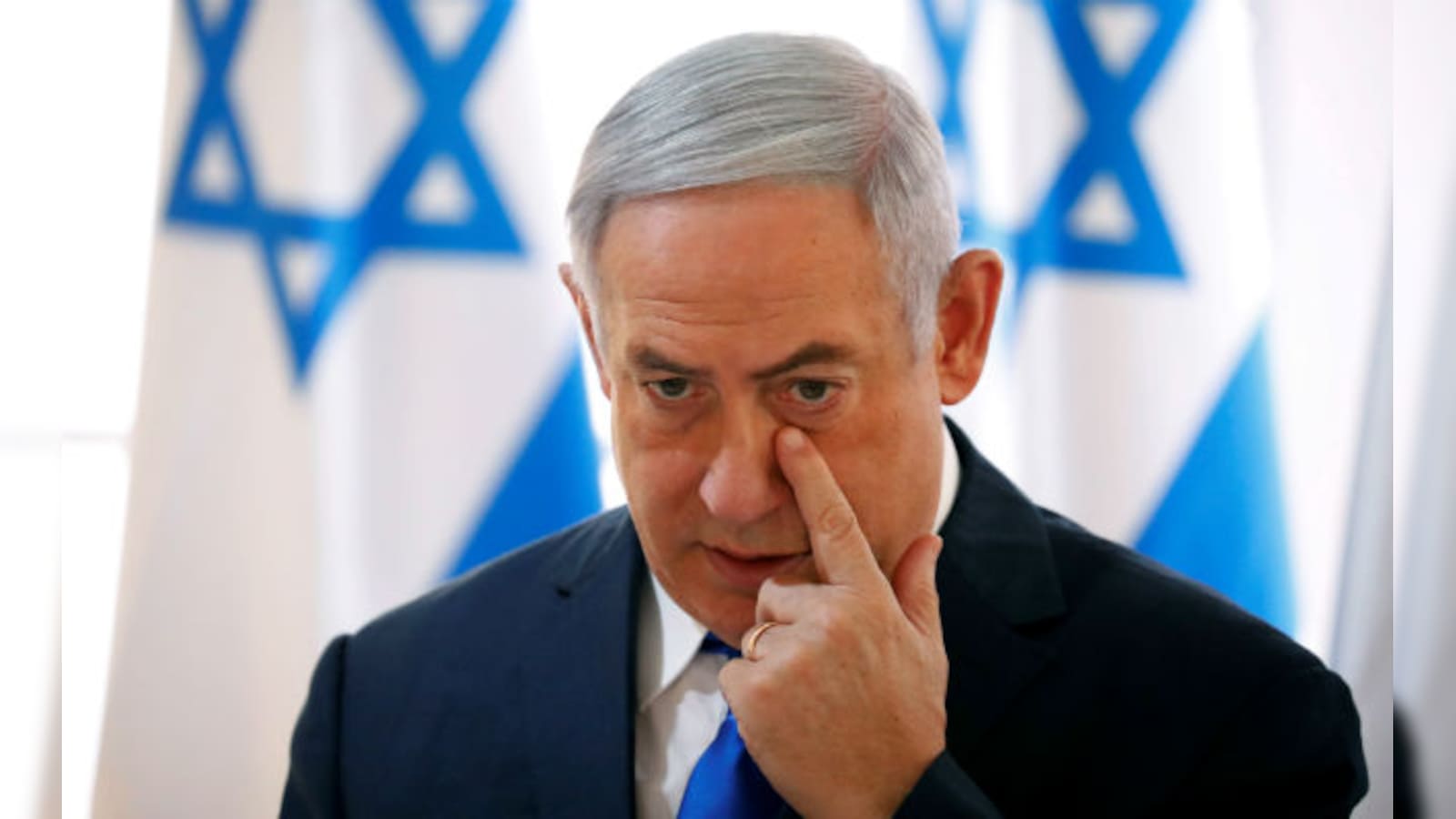
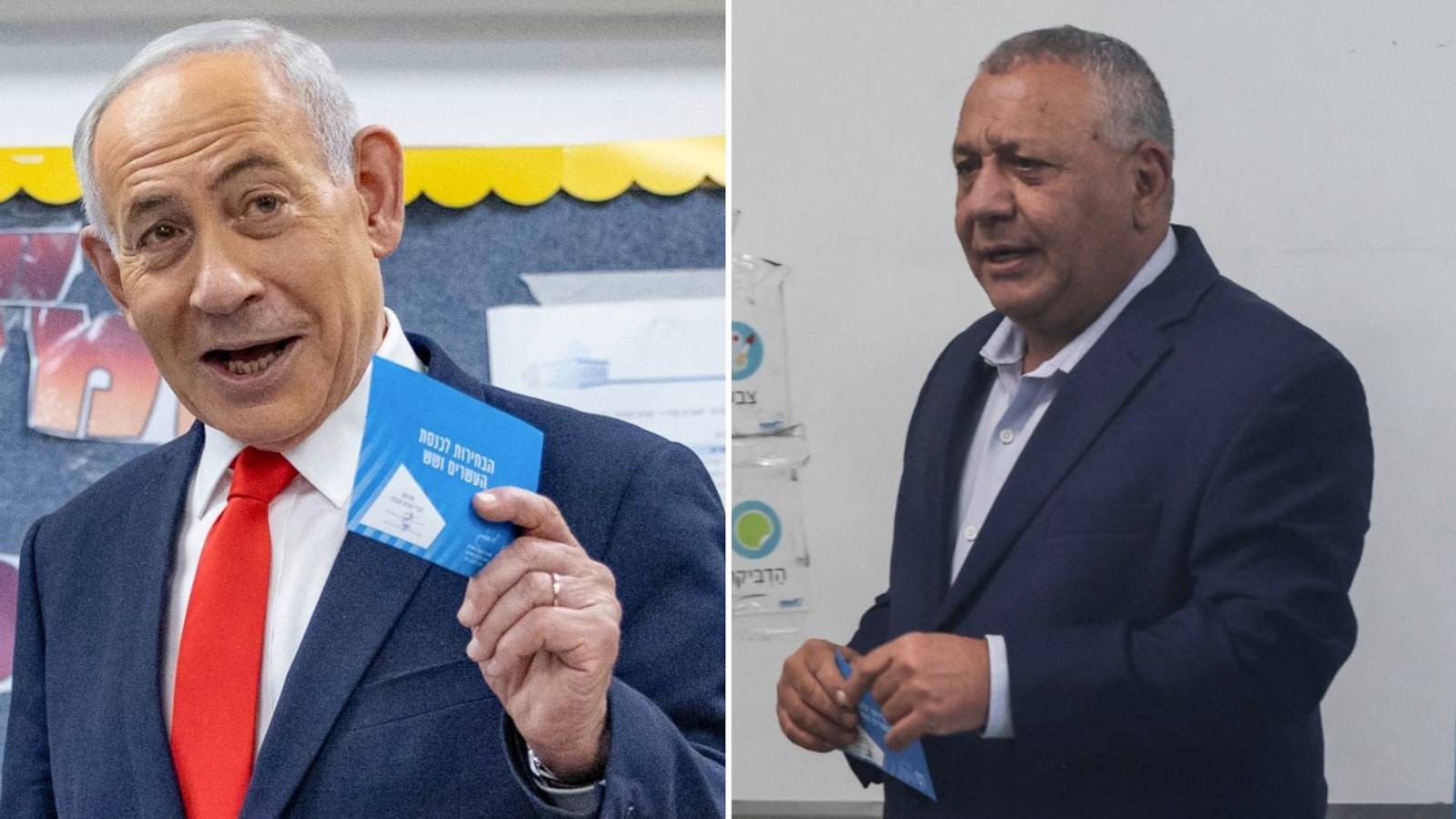
In the aftermath of the exit polls, Prime Minister Benjamin Netanyahu addressed the nation with a pledge to form a new government. "We are still waiting for the real results, but we must put in place a strong government of the right," he said. Netanyahu's message was clear: he was determined to maintain his grip on power and ensure that a right-wing government was established. His rival, Gadi Eisenkot, took a different approach. Eisenkot, a former army chief, vowed to form a new government if given the chance. "We call on Netanyahu to resign," he declared, expressing his complete distrust in the incumbent prime minister.
He accused the Arab parties of trying to 'steal' the election by mobilizing their voters.
The exit polls suggested a 51-52 seat tie between the two blocs, with neither side reaching the 61 seats needed for a majority. This result left many Israelis and political analysts on the edge of their seats, as the nation awaited the final tally. The tight race meant that any small change in the results could dramatically alter the political landscape. The uncertainty surrounding the outcome created a tense atmosphere, with both sides preparing for a potential political showdown.
As the night progressed, Netanyahu's rhetoric became increasingly critical. He accused the Arab parties of trying to 'steal' the election by mobilizing their voters. "High turnout in Arab areas was part of an effort to 'steal' the election," he said, hinting at a broader conspiracy. Meanwhile, Gadi Eisenkot remained supportive of his position. "Netanyahu, don't you dare use Israel's security for your political needs," Eisenkot warned, emphasizing his commitment to the nation's security and stability. The contrasting stances of the two leaders highlighted the deep divisions in Israeli society and the high stakes of the election.
As the final results were expected in 48 hours, the political landscape was in flux. The tight race between the pro-Netanyahu and anti-Netanyahu blocs meant that any small change in the results could dramatically alter the political landscape. The Arab parties, which had been expected to hold a smaller number of seats, emerged as a significant force, winning about 18 seats. This development could have far-reaching implications for the political landscape, as it would give Arab parties a greater voice in the Knesset. The election results would not only determine the future of Netanyahu's tenure as prime minister but also shape the direction of Israeli politics for years to come.

Israel’s election exit polls: Netanyahu risks losing power, while Arab parties win a record 17 seats https://t.co/V74TDmDlUO
As the nation of Israel waited with bated breath, the outcome of the election remained uncertain. The exit polls suggested a tight race, with both the pro-Netanyahu and anti-Netanyahu blocs projected to win 51 seats each. The Arab parties, which had been expected to hold a smaller number of seats, emerged as a significant force, winning about 18 seats. The future of Netanyahu's tenure as prime minister was in doubt, and the nation was poised for a political showdown. The results of the election would not only determine the future of Netanyahu's tenure but also shape the direction of Israeli politics for years to come.