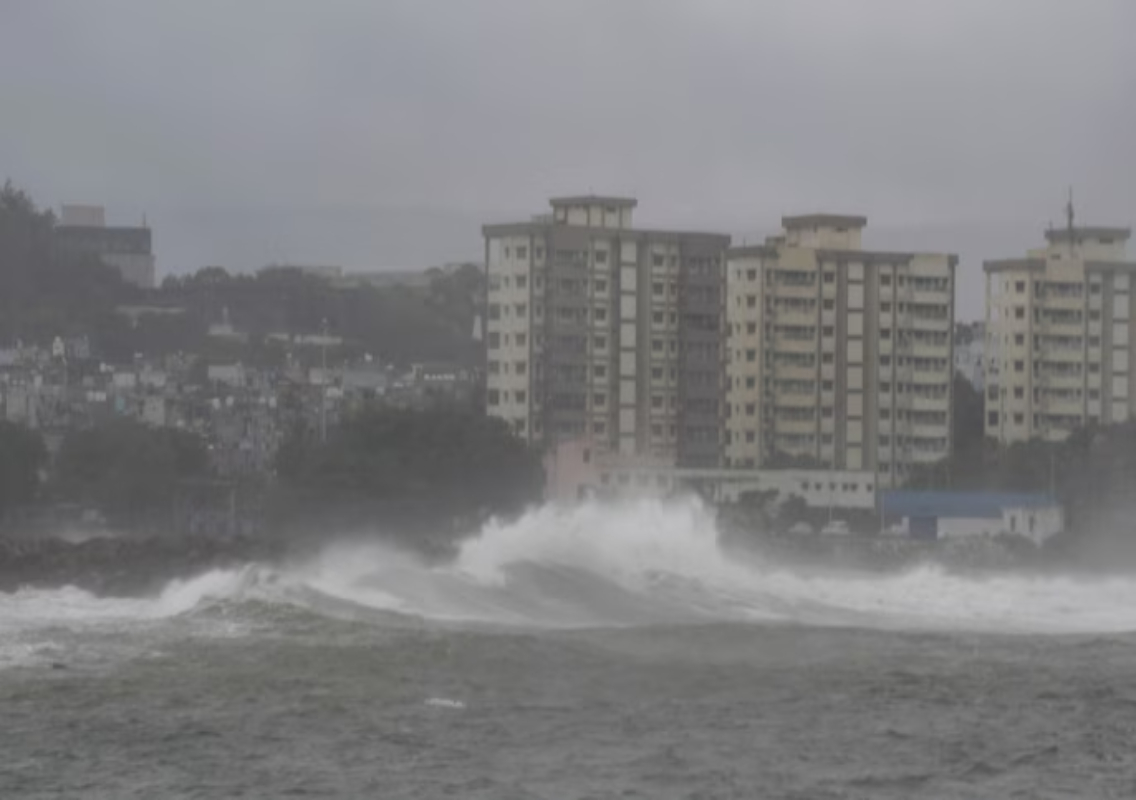
On October 28, 2026, the Bay of Bengal unleashed its fury as Cyclone Arnab barreled toward the coast of Andhra Pradesh. The very severe cyclonic storm, named for its powerful winds and potential for destruction, prompted Indian authorities to spring into action. The Indian Meteorological Department (IMD) closely monitored the storm's trajectory, issuing timely warnings as it intensified before making landfall. For residents along the vulnerable coastline, the approaching cyclone meant preparing for the worst while hoping for the best.

As Cyclone Arnab drew nearer, state authorities faced the critical task of moving people out of harm's way. The scale of the evacuation operation was immense, with approximately 89,000 residents being relocated from low-lying and vulnerable areas. This massive displacement effort was designed to minimize potential loss of life as the storm's powerful winds and heavy rain battered the region. The evacuation represented one of the largest precautionary measures taken in recent memory for a cyclone in this part of India.

#LIVE | Cyclone Arnab landfall continues! #ITLivestream | @poojashali https://t.co/Ca9HWNXV9W
To manage the crisis, authorities deployed an extensive network of rescue teams. According to Suresh Pujari, a key official involved in the disaster response, "Arrangements have been made for rescue and relief work. 313 teams are deployed, including 60 ODRAF, 9 NDRF teams, and 244 other teams." This comprehensive deployment included specialized units like the Odisha Disaster Rapid Action Force (ODRAF) and the National Disaster Response Force (NDRF), alongside numerous local response teams. The coordinated effort reflected the seriousness with which authorities viewed the approaching cyclone.
313 teams are deployed, including 60 ODRAF, 9 NDRF teams, and 244 other teams.
Later that same day, October 28, Cyclone Arnab made its landfall along the Andhra Pradesh coast. The moment the storm reached shore, it unleashed its full force, bringing with it powerful winds capable of causing significant damage to infrastructure and public assets. The IMD had accurately predicted the storm's intensity, allowing authorities to prepare for the worst-case scenario. As the cyclone moved inland, its impact was expected to gradually diminish, but the initial hours after landfall were critical for assessing the full extent of the damage.

Landfall expected to conclude in 1-3 hours as Cyclone Arnab continues along coast: Meteorological Department Director Murthy Read @ANI Story I https://t.co/a59GGG73lj #CycloneArnab #Landfall #MeteorologicalDepartment https://t.co/8DBLA8wC9v
In the immediate aftermath of Cyclone Arnab's landfall, attention turned to assessing the damage and initiating recovery efforts. The extensive precautionary measures, including the massive evacuation and deployment of rescue teams, were designed to mitigate the storm's impact. As authorities worked to clear roads, restore power, and provide assistance to affected communities, the full picture of Cyclone Arnab's toll on Andhra Pradesh began to emerge. The storm served as a stark reminder of the power of nature and the importance of preparedness in the face of increasingly extreme weather events.