In the bustling atmosphere of Kathmandu, the air is thick with more than just the usual city haze. On October 27, 2026, the tension reached a breaking point at Parsa Chowk in Lumbini. What began as a localized grievance against a high-level appointment transformed into a scene of direct confrontation, as protesters gathered to voice their fury. The focal point of this unrest was not a policy or a tax, but a person: Ani Choying Drolma.
When the government announced Drolma’s appointment as the vice-chair of the Lumbini Development Trust on October 16, it expected to bolster the administration of one of the world's most significant spiritual sites. Instead, the decision acted as a catalyst for a movement that has quickly escalated from quiet dissent to public defiance. At the heart of the protest was a visceral act of symbolic rage: the burning of a photograph belonging to the tourism minister, a clear signal that the community's frustration is directed squarely at the highest levels of state authority.
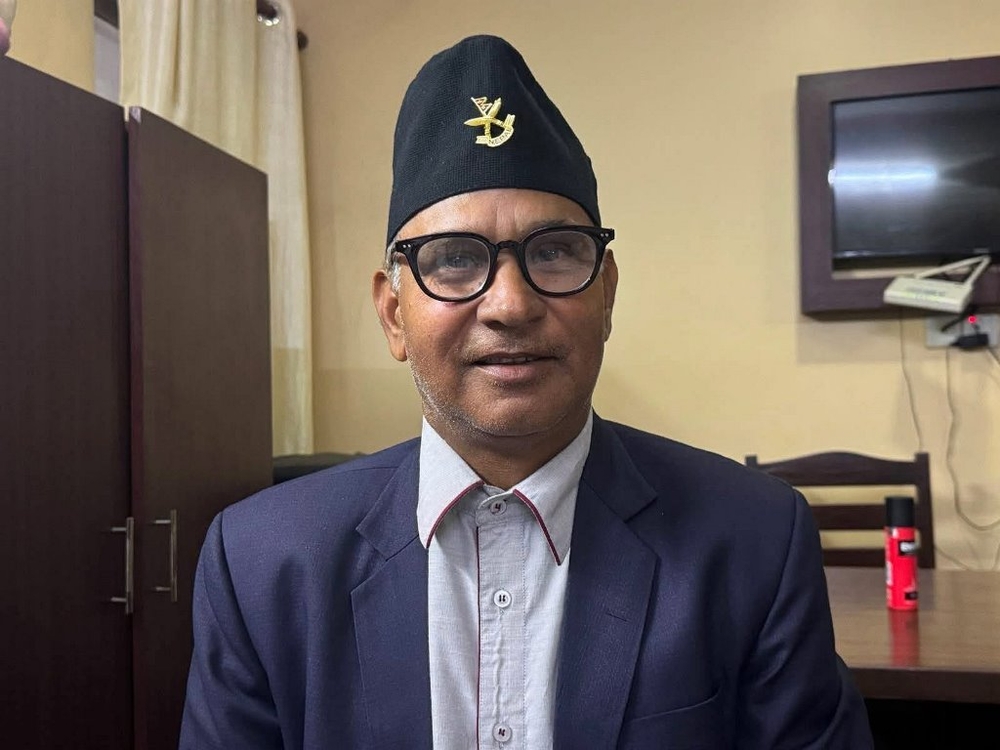
The confrontation with law enforcement was swift. As the demonstrations intensified, police moved in to quell the unrest, resulting in the arrests of two men: Akram Khan and Babiuddin Musalman. Khan, who serves as the chair of the Save Lumbini Grand Campaign, found himself in custody as the state moved to maintain order.
If her claim to citizenship is in doubt, then her claim to lead a trust dedicated to the development of Nepal’s heritage is viewed by many as fundamentally flawed.
These arrests have not quieted the opposition; rather, they have become the new rallying cry for the Lumbini Bachau Mahaabhiyan. This campaign, which seeks to protect the interests of the Lumbini region, has issued a dual demand that is now driving the local political discourse: the immediate cancellation of Drolma’s appointment and the unconditional release of the protesters held in custody. For the organizers, the arrests are not merely a matter of law enforcement, but a suppression of legitimate local grievances.

Activist arrested over protest against Ani Choying Drolma’s appointment Police detained the head of a campaign opposing the appointment of the Buddhist nun as vice-chair of the Lumbini Development Trust after protesters burned a photograph of the tourism minister. https://t.co/l1ryatSgsm
To understand why a single appointment has ignited such fierce resistance, one must look beyond the immediate protests and into the murky waters of local suspicion. The Lumbini Bachau Mahaabhiyan is not merely protesting a name; they are questioning the very foundation upon which Drolma’s leadership would stand. The campaign argues that the position of vice-chair should be held by a qualified local candidate who possesses a deep, undisputed connection to the region and its people.
Central to this debate is the issue of citizenship. In a country where identity and belonging are deeply intertwined with legal status, questions have been raised regarding Drolma’s acquisition of Nepali citizenship by descent. For the critics, the legitimacy of her role is inseparable from the legitimacy of her status as a citizen. If her claim to citizenship is in doubt, then her claim to lead a trust dedicated to the development of Nepal’s heritage is viewed by many as fundamentally flawed.
Beyond the questions of identity lie even more serious allegations regarding financial transparency. The controversy is not merely political; it is deeply fiscal. Local community leaders have pointed to a specific, troubling moment in the recent past to justify their skepticism. They cite a 2018 investigation that looked into a significant transfer of funds—approximately $1.65 million—into Drolma’s bank account, originating from Hong Kong.

This investigation has left a lingering shadow over her reputation, fueling a narrative of foreign influence and unexplained wealth. In the eyes of the protesters, these financial questions are not just peripheral details; they are central to determining whether an individual can be trusted with the stewardship of a development trust tasked with managing the future of a sacred site.
As it stands, the situation in Lumbini is a study in profound division. On one side, the government has made its move, placing Drolma in a position of significant influence. On the other, a coalition of local leaders and activists views the appointment as a dismissal of local expertise and a disregard for the ethical standards required of such a post.
The Save Lumbini Grand Campaign and the Lumbini Bachau Mahaabhiyan have effectively bridged the gap between local community concerns and broader questions of national integrity. They have turned a personnel decision into a referendum on how the government treats its most sacred landmarks and its most vocal citizens. For now, the arrests of Khan and Musalman remain a flashpoint, and the appointment of Ani Choying Drolma remains a source of deep, unresolved contention in the heart of Nepal.