The Marmara Sea, a vital maritime artery, became the site of a profound tragedy on September 2, 2026. It was on this day that the commercial vessels M/T ALSU and the Tuğberk İmamoğlu collided, an event that would immediately trigger a desperate search and rescue operation. The impact of the collision left the Tuğberk İmamoğlu in a state of ruin, and in the immediate aftermath, ten crew members were reported missing. For those watching from the shore, the sudden disappearance of the vessel’s crew transformed the busy shipping lane into a site of mourning and uncertainty.

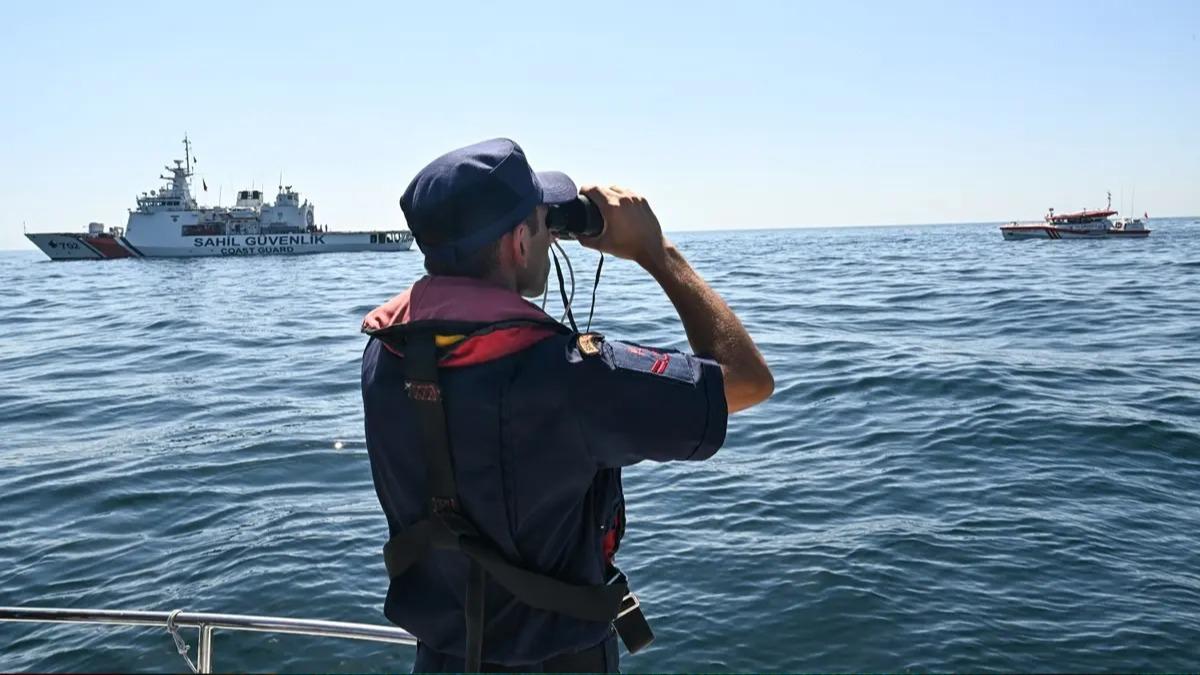
In the weeks following the collision, the waters off the coast of Silivri, Istanbul, became the focal point of an intensive recovery effort. Authorities and rescue teams combed the area, navigating the complexities of the Marmara Sea in hopes of locating the missing mariners. The operation, characterized by its meticulous attention to detail, sought to bring closure to the families of the ten individuals who had vanished beneath the surface. For nearly two months, the search continued, a testament to the persistent efforts of those tasked with navigating the aftermath of the maritime disaster.
On October 28, 2026, the search efforts reached a somber turning point. During the ongoing operations, a male body was discovered in the waters near Silivri. The recovery of the body, which appeared to be in an eroded state, marked a significant development in the investigation. While the discovery provides a tangible lead, it also underscores the harsh reality of the incident that occurred in early September. The recovery team, working under the oversight of local authorities, handled the site with the gravity the situation demanded.
With the body now recovered, the focus of the investigation has shifted toward the Adli Tıp Kurumu, or the Forensic Medicine Institute.
With the body now recovered, the focus of the investigation has shifted toward the Adli Tıp Kurumu, or the Forensic Medicine Institute. The process of identifying the deceased is a delicate and rigorous one. Before the body can be transferred to the institute, it must undergo a preliminary examination to establish the initial facts of the case. This procedure is critical, as it serves as the bridge between the recovery at sea and the scientific analysis required to determine both the identity of the individual and the precise cause of death.
Beyond the physical recovery of the remains, a formal legal process is now underway. The Silivri Chief Public Prosecutor's Office has initiated a comprehensive investigation into the collision and its consequences. This inquiry is designed to piece together the events of September 2, ensuring that every detail of the collision between the M/T ALSU and the Tuğberk İmamoğlu is scrutinized. The investigation is being conducted with great diligence, reflecting the seriousness with which the state views the loss of life and the circumstances surrounding the shipwreck.
As the Forensic Medicine Institute prepares to conduct its autopsy, the families of the ten missing crew members remain in a state of suspended hope and grief. The discovery of one body does not yet provide the answers for the other nine, nor does it confirm whether the recovered individual is among those reported missing in the initial hours after the collision. The coming days of forensic analysis will be pivotal, as the findings will finally begin to provide a narrative for the tragedy that unfolded in the Marmara Sea. For now, the investigation continues, as the authorities work to bring clarity to a situation defined by its sudden and devastating silence.