
The sky over India's southeastern coast turned a bruised purple, a color that usually signals the arrival of the monsoon, but this was something far more violent. It was the color of a storm about to tear the world apart. Cyclone Arnab, a 'very severe' storm, did not just arrive; it slammed into the land, a wall of water and wind that promised to rewrite the geography of the region. On October 28, 2026, the India Meteorological Department confirmed the storm had made landfall, a moment of terrifying clarity for everyone watching from the shore.
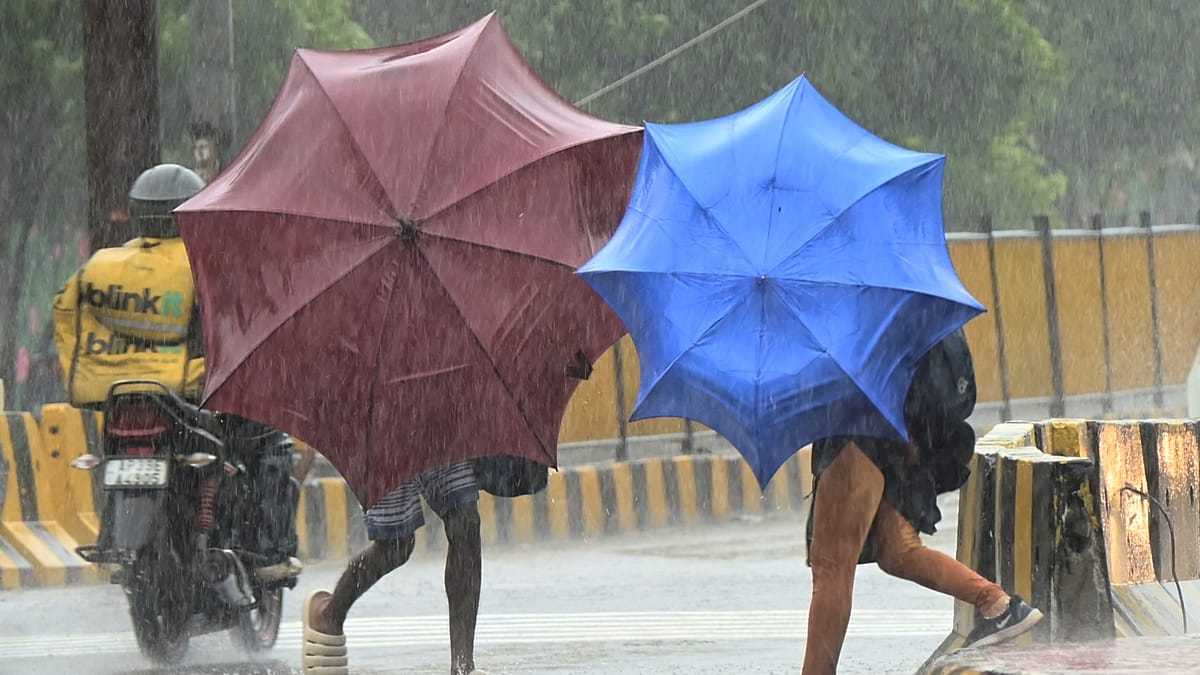
For the residents of Andhra Pradesh and Odisha, the news was not a surprise, but a command. The storm's arrival was the signal for a synchronized, massive movement of people. This was not a panic; it was a drill, a rehearsed response to a threat that has haunted this coastline for generations. The storm was coming, and the only way to survive was to leave.
The evacuation was a logistical marvel of modern disaster management. It was a city on the move, a population of nearly 100,000 people shifting from their homes to places of safety. The operation was a two-pronged effort, a careful division of labor between the two states most vulnerable to the storm's fury. In Andhra Pradesh, 50,000 people were moved to safe areas. In the neighboring state of Odisha, 48,000 people followed suit. Together, they formed a human shield against the coming deluge.
The 30,000 fishing boats that lined the coast were secured, a silent vigil against the coming waves.
This was not a chaotic scramble. It was a planned exodus. Authorities had anticipated the storm's path and had already begun the work of moving people. The scale of the operation was staggering. It required coordination, resources, and a deep understanding of the terrain. The people who were evacuated were not just numbers; they were families, farmers, fishermen, and shopkeepers, all uprooted from their lives to ensure their survival.

India evacuates over 180,000 as Cyclone Arnab hits coast https://t.co/oM0p5jJs4X
The evacuation was only the first line of defense. As the people moved inland, the government set up a network of cyclone shelters. Across 20 districts, 2,000 shelters were established, a vast network of safety nets designed to hold the displaced population. These shelters were more than just buildings; they were sanctuaries, equipped to provide food, water, and medical aid. They were the first line of defense against the storm's fury.
The storm was not just about wind; it was about water. A storm surge, a wall of seawater pushed onto land by the storm's low pressure, was a primary concern. The India Meteorological Department warned of a surge of up to 2.5 meters above normal tide. This was a terrifying prospect for low-lying areas, where even a small rise in water levels could be catastrophic. The shelters were strategically located to be safe from this surge, a testament to the careful planning that had gone into the evacuation.
As the storm made landfall, the evacuation effort continued. The 30,000 fishing boats that lined the coast were secured, a silent vigil against the coming waves. These boats were the livelihoods of many, and their securement was a crucial part of the disaster response. The boats were tied down, their crews moved to safety, and the coast was left to the mercy of the storm.
The evacuation was a massive undertaking, but it was not without its challenges. The storm's winds, with gusts reaching 150 km/h, made the process of moving people difficult and dangerous. The authorities had to balance the need for speed with the need for safety. The shelters were full, the roads were clogged, and the storm was relentless. Yet, the evacuation continued, a testament to the resilience of the people and the dedication of the authorities.

#WATCH | Gopalpur, Odisha | Fishing boats have been anchored at the Landing Centre as fishermen stay away from the sea amid strong winds and rough sea conditions due to Cyclone Arnab. https://t.co/ISiDLYd4yS
The storm has passed, but the work of recovery has just begun. The evacuation was a success, but the damage is extensive. The storm caused widespread damage, including the total destruction of thatched houses. Local flooding is expected to persist for days, a reminder of the storm's power. The evacuation of nearly 100,000 people was a remarkable achievement, but it was only the first step in a long road to recovery.
The story of Cyclone Arnab is a story of resilience. It is a story of a population that faced a disaster and came together to overcome it. It is a story of a government that rose to the occasion and a people who trusted in the system. The evacuation was a testament to the power of human cooperation in the face of nature's fury. As the region begins to rebuild, the lessons learned from Cyclone Arnab will guide the way forward, ensuring that the next time a storm comes, the response will be even more effective.