
For most residents of Guwahati, Assam, October 27, 2026, began as an ordinary day. But as night settled over the city, the quiet rhythm of the evening was violently shattered. An intense shooting erupted inside a local lodging, instantly plunging the neighborhood into chaos and leaving a staggering toll in its wake. When the echoes of gunfire finally faded, five human lives had been extinguished, and another person was left injured, struggling with the physical and psychological aftermath of an unimaginable encounter.
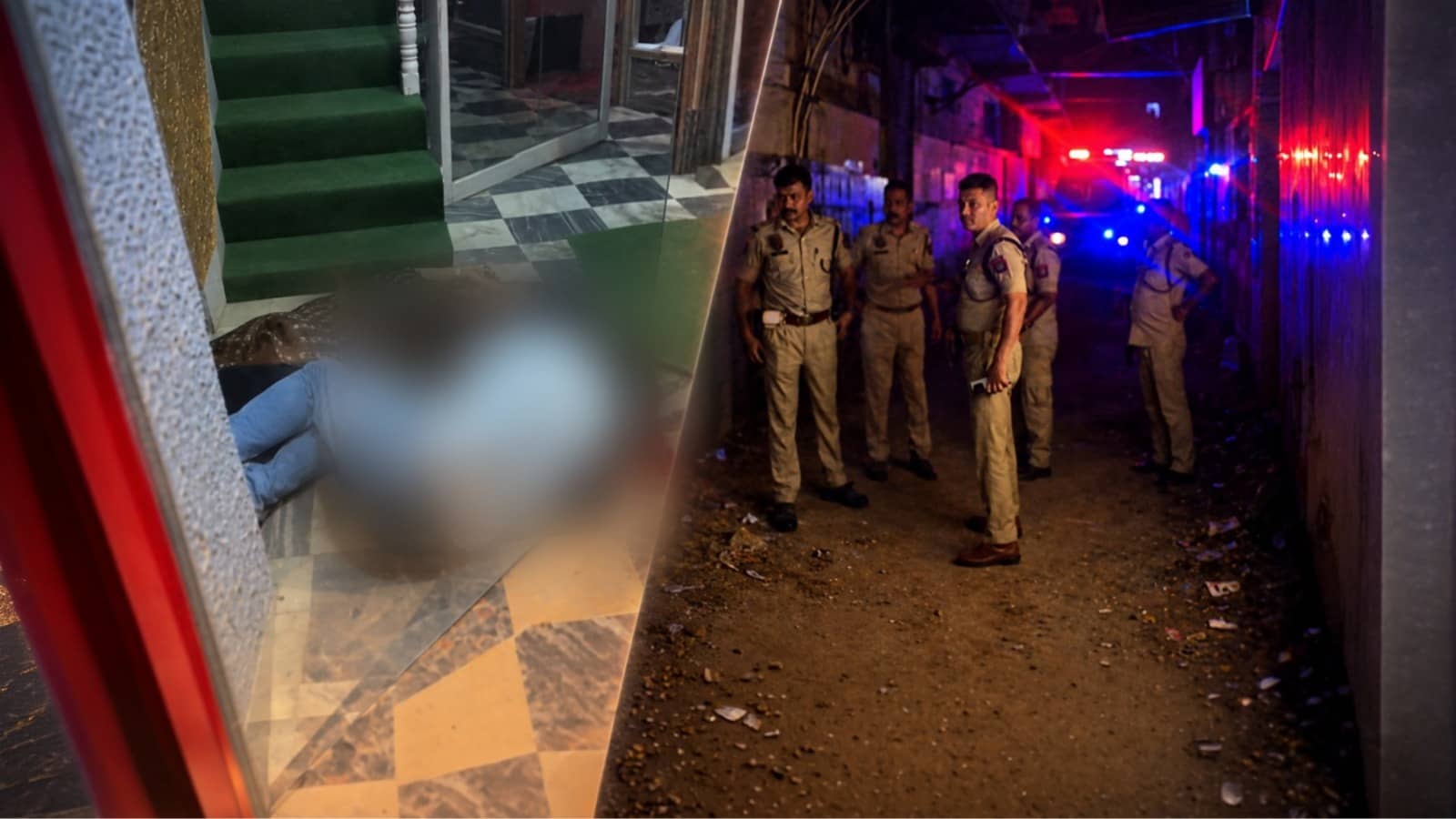
The bloodshed unfolded within the confines of Hotel Bilas Inn, a property situated in Guwahati's Bora Service area, also referenced as Hotel Billasen in the Ulubari neighborhood. According to Guwahati Police Commissioner Dr. Partha Sarathi Mahanta, the horrifying sequence of events was set into motion around 9 PM. In a matter of moments, the interior of the establishment transformed from a place of transient rest into a crime scene. Five individuals were shot dead during the confrontation. As authorities began piecing together the grim puzzle, a heartbreaking detail emerged about the victims: four of the five deceased belonged to the very same family, wiping out multiple members in a single, concentrated burst of violence.
Behind the gunfire lay a simmering, high-stakes conflict. The mass shooting was ultimately rooted in a bitter dispute between the hotel owner and the property's leaseholder. Lease arrangements and commercial properties can frequently become focal points of intense legal and personal friction, but this disagreement crossed a catastrophic line from civil dispute to lethal force. The violent clash exposed how quickly financial and property grievances can escalate when underlying tensions boil over into the physical realm.
Despite the panic and confusion that naturally accompanies an active shooting scene of this magnitude, the response from local law enforcement was remarkably rapid.
When investigators zeroed in on the perpetrator, they identified the shooter as Ghanakanta Gogoi, also referred to in reports as Gogoi Ganakanta. Crucially, Gogoi was not an outsider or a random intruder; he was the leaseholder of the property where the bloodshed occurred. In the immediate aftermath, law enforcement secured the instrument of the violence, recovering a .32-bore licensed pistol that had been used in the shooting. The presence of a licensed weapon in such a catastrophic dispute immediately raised troubling questions about firearm regulation and the volatile intersections of personal property control and access to lethal armaments.
Despite the panic and confusion that naturally accompanies an active shooting scene of this magnitude, the response from local law enforcement was remarkably rapid. The accused, Ghanakanta Gogoi, was successfully apprehended by authorities within one hour of the incident. Police tracked him down and took him into custody in the city's Paltan Bazar area, neutralizing any immediate ongoing threat and initiating the formal machinery of the criminal justice system.
Amidst the profound devastation, one person managed to survive the ordeal, though not without sustaining injuries. This sole survivor became a crucial living link to the minutes of terror inside the hotel, standing as the lone witness to a rampage that claimed five lives. The injured individual's survival offered a fragile glimmer of hope amid overwhelming tragedy, while also providing investigators with a direct account of how the dispute escalated into mass murder.
The ripples of the Guwahati hotel shooting quickly spread far beyond the immediate neighborhood, drawing sharp reactions from regional political figures. State Congress president Gourav Gogoi voiced immediate and profound anguish over the event. "Deeply saddened by the tragic firing incident at Ulubari Hotel Bilas Inn, Guwahati, in which five people have reportedly lost their lives," the Congress leader stated. Moving beyond personal sorrow, Gogoi expressed deep concern regarding the state's security climate and publicly urged the Chief Minister to take decisive action against what he characterized as rising crimes in the region.

As the investigation continues to unfold, the city of Guwahati is left to grapple with the profound shock of the Hotel Bilas Inn tragedy. With the principal suspect behind bars, the seized .32-bore pistol undergoing forensic analysis, and political leaders demanding heightened security measures, the legal system now faces the formidable task of untangling the exact sequence of events that turned a property lease dispute into a five-person massacre. For a community mourning a decimated family and a grievously wounded survivor, the road toward understanding and accountability has only just begun.