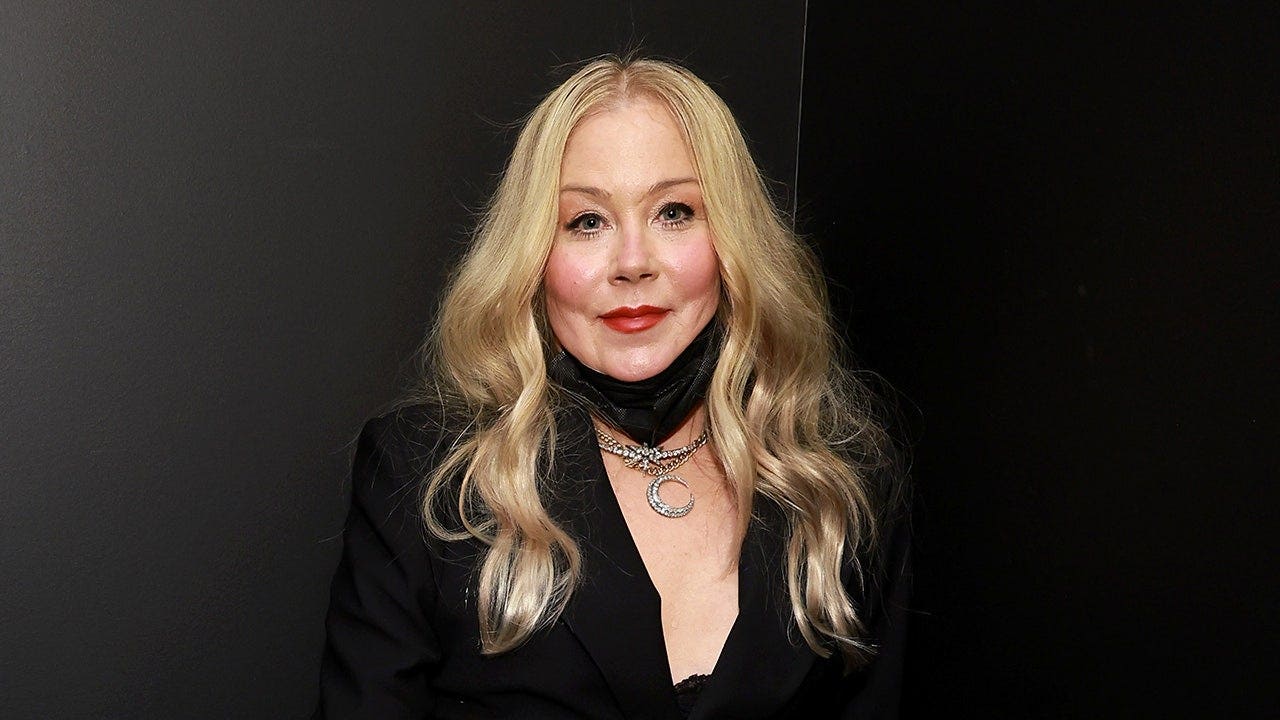
In a recent double episode of her podcast 'MeSsy', actress Christina Applegate, 54, delivered unexpected news to her listeners: after years of living with a multiple sclerosis diagnosis, she has been told she never actually had the disease. The revelation came through a study into her original diagnosis, which ultimately determined that MS was not the cause of her health struggles. "Congratulations, you don't have MS," Applegate recounted hearing from her medical team, a statement that triggered an unexpectedly emotional response.
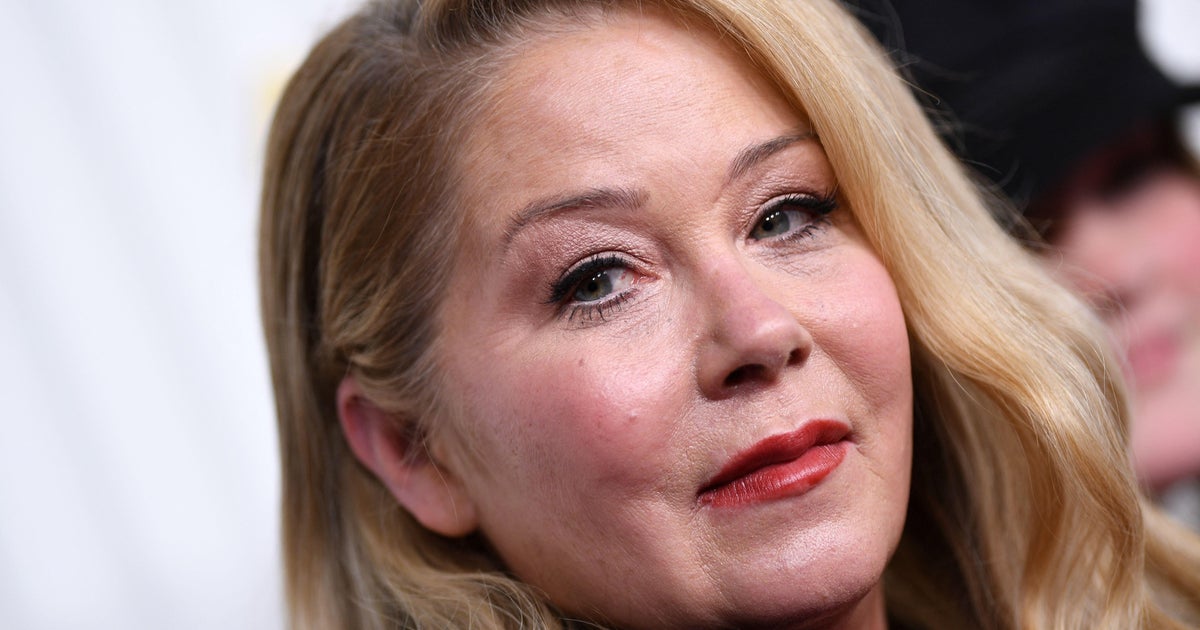
Applegate's experience sheds light on a broader medical challenge: the misdiagnosis of multiple sclerosis. Dr. Marwa Kaisey from Cedars-Sinai Medical Center, who appeared on the podcast, explained that such errors are more common than many might realize. "Almost one in five people who have been told they have multiple sclerosis didn't actually have it," Kaisey noted, highlighting the diagnostic difficulties posed by the absence of a single definitive test for the condition. This reality means that countless individuals may be navigating treatment plans based on incorrect assumptions about their health.

Christina Applegate reveals MS misdiagnosis in shocking health update: ‘I lost everything’ https://t.co/RU1pwQCZZi https://t.co/ABFbax7ioj
Despite the corrected diagnosis, Applegate found little comfort in the news. Her debilitating symptoms, which began affecting her in 2021, have not only persisted but have actually worsened over time. "You don't get misdiagnosed and then all of the sudden I'm better," she shared, articulating the frustration of continuing to experience numbness, mobility issues, and other challenges without a clear explanation. The actress's experience underscores that removing a diagnosis doesn't automatically eliminate the suffering that led to seeking medical help in the first place.
This fresh pursuit of answers reflects the often circuitous journey that patients with complex neurological symptoms must undertake.
In the wake of the revelation, Applegate immediately began a new medical investigation to determine what has been affecting her since 2021. This fresh pursuit of answers reflects the often circuitous journey that patients with complex neurological symptoms must undertake. The process involves not only finding what a condition isn't but also continuing the search for what it actually is—a challenge that can be as mentally taxing as it is physically draining.

Christina Applegate announced Tuesday that she was misdiagnosed with multiple sclerosis, more than five years after announcing she had been told she had the chronic condition. Applegate, 54, shared the news on her podcast MeSsy, where she and co-host Jamie-Lynn Sigler discuss life with multiple sclerosis. Applegate had taken a break from the podcast in recent weeks. She said Tuesday she had taken that time to process the new information. Read more: https://t.co/blt0jRmCJM
Applegate's disclosure comes in the context of other public figures sharing their health journeys. Actress Jamie-Lynn Sigler, who has also been open about her MS diagnosis, represents another voice in the conversation about neurological conditions. While their experiences differ, their public discussions contribute to broader awareness and understanding of the challenges faced by those with similar health concerns.
As Applegate continues her search for answers, her story serves as a reminder of the human element in medical diagnoses and treatments. The emotional weight of receiving both a diagnosis and its subsequent reversal can be profound, particularly when symptoms persist without explanation. Her experience highlights the need for continued research into diagnostic methods and greater awareness of the potential for misdiagnosis in complex medical cases.

Christina Applegate has shared a major health revelation: She doesn't have multiple sclerosis after all. https://t.co/tw5jcuNEJO
Today, Applegate remains in the process of determining the true cause of her symptoms, with medical professionals working to identify what has been affecting her since 2021. Her journey, shared publicly through her podcast, has sparked conversations about the reliability of medical diagnoses and the experiences of those living with unexplained symptoms. As she moves forward, her story continues to resonate with others navigating similar uncertainties in their own health journeys.