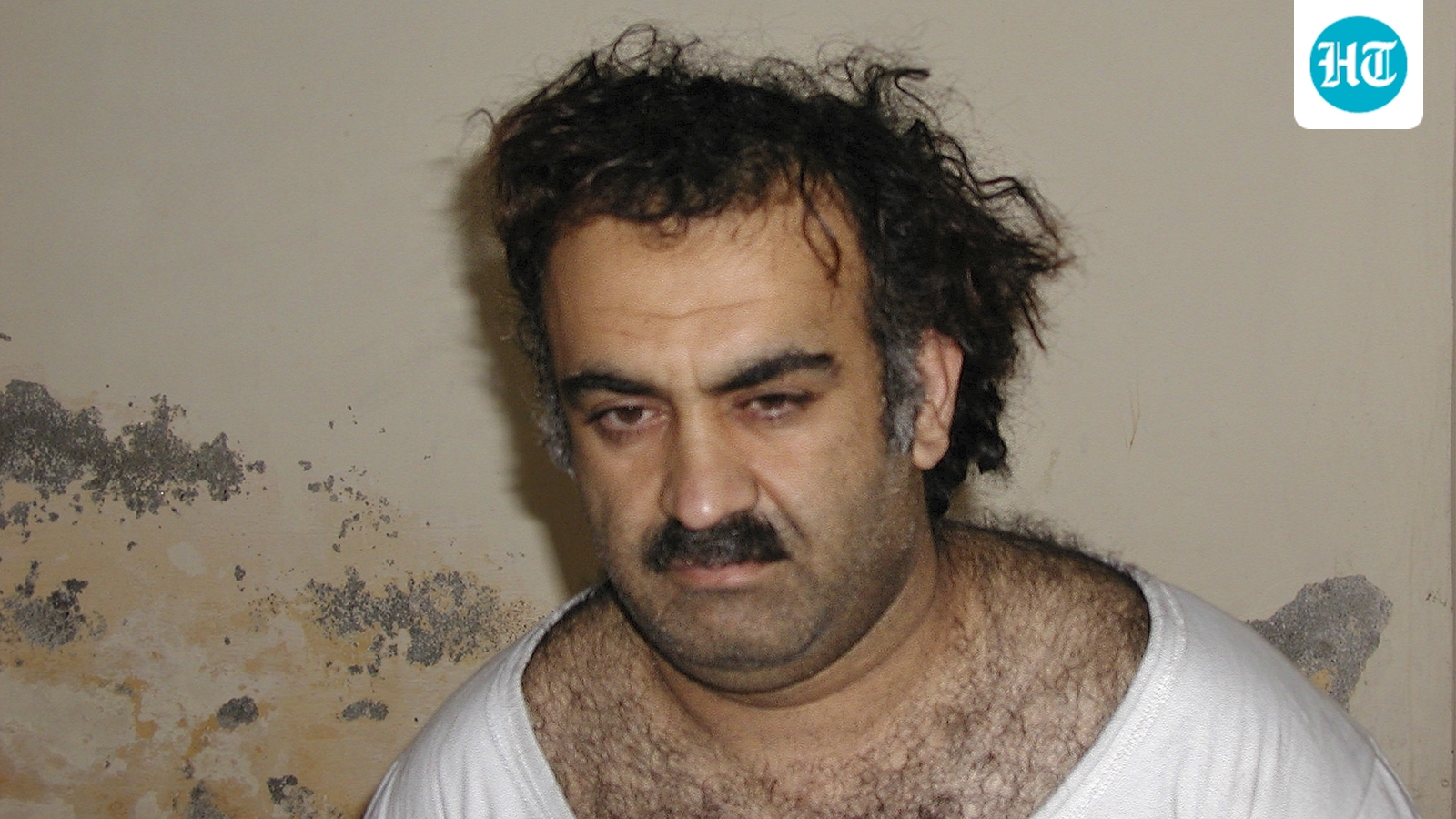
Khalid Sheikh Mohammed, identified by the government as the alleged mastermind of the 9/11 attacks, has been held at the Guantanamo Bay detention facility for years. His case has moved through a series of legal stages, reflecting the broader challenges of prosecuting terrorism suspects in a system that mixes civilian and military justice.

In 2024, prosecutors and the Pentagon reached a plea deal with Mohammed and his co‑defendants. The agreement would have removed the possibility of a death sentence in exchange for guilty pleas, a arrangement that had been accepted by the defendants before it was later reconsidered.

Supreme court rejects effort to revive plea deal for Khalid Sheikh Mohammed in 9/11 attacks #TheGuardian https://t.co/22nyv3Y3dN
Former Defense Secretary Lloyd Austin, who served under former US president Joe Biden, decided to cancel those plea agreements. Austin argued that a decision of such magnitude—whether to pursue capital punishment—should remain within his authority, and he formally revoked the earlier arrangement.
With the Supreme Court’s denial, the case proceeds in the military justice system.
After the revocation, Mohammed and his co‑defendants appealed, seeking judicial review of Austin’s action. The appeals argued that the secretary’s move was improper and that the original plea deal should be reinstated, setting up a confrontation that eventually reached the Supreme Court.

Supreme Court rejects effort to revive Khalid Sheikh Mohammed plea deal https://t.co/vvmTFnwKVb
On October 19, 2026, the United States Supreme Court declined to take up the case. The Court’s order meant that it would not review Austin’s decision to scrap the plea agreements, effectively leaving the lower courts’ rulings in place.
With the Supreme Court’s denial, the case proceeds in the military justice system. Pre‑trial proceedings will continue, and a trial is currently scheduled for June 2028. The death penalty remains an option because the plea deal that would have barred it is no longer in effect.
The case has faced backlash from 9/11 victim groups.
Legal observers, including Steve Vladeck, have expressed concern that the 2028 trial date is unrealistic given the complexities of military commissions and the extensive pretrial work still required. They warn that the timeline may slip, prolonging the uncertainty for victims and the accused alike.
As of the Supreme Court’s October 2026 decision, the legal fate of Khalid Sheikh Mohammed remains tied to the military commissions at Guantanamo. The case moves forward without the benefit of the discarded plea agreement, with the possibility of a capital‑punishment verdict still on the table and the nation watching to see how the prolonged legal saga will ultimately conclude.