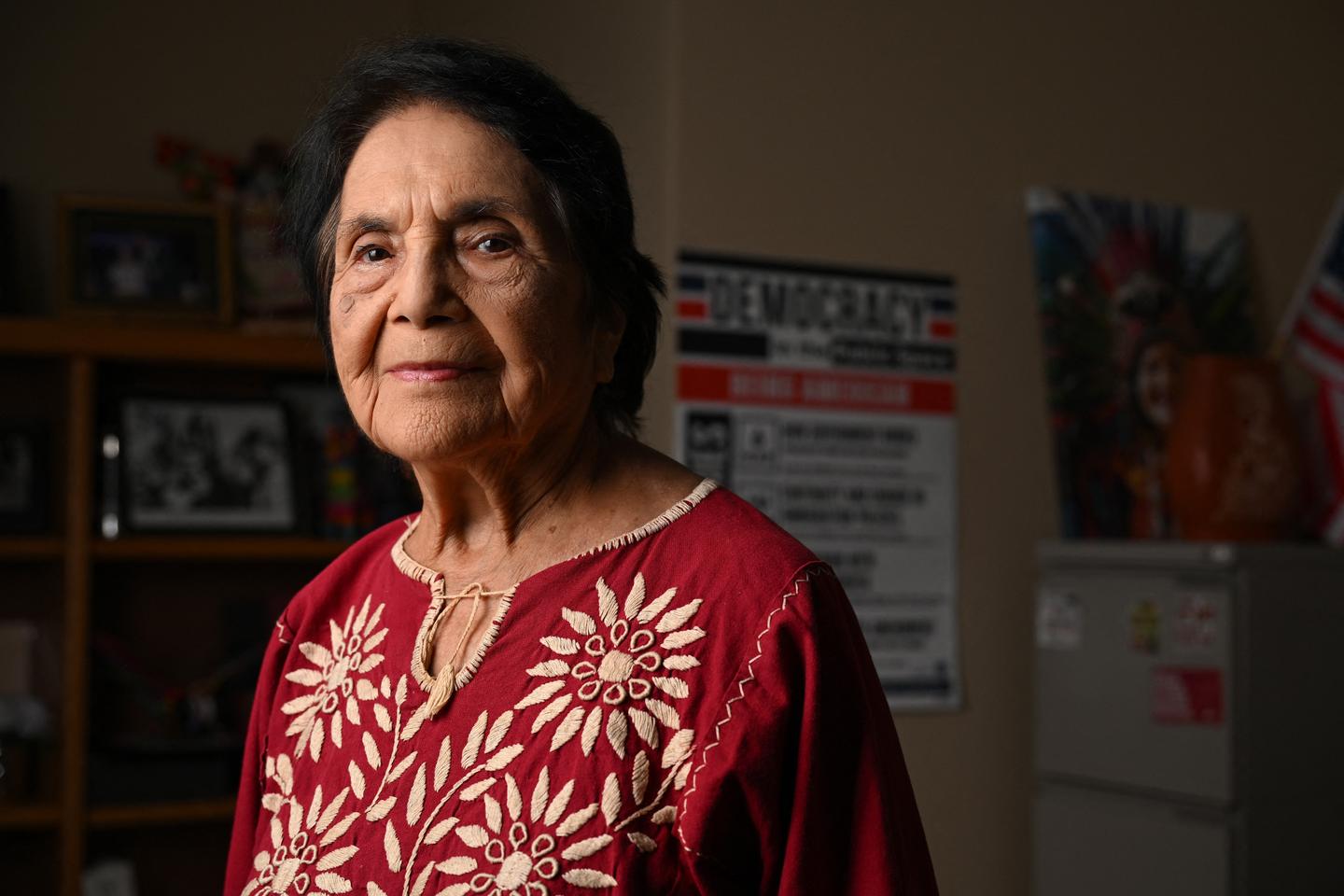
On October 28, 2026, the United States lost one of its most enduring voices for the marginalized. Dolores Huerta, a titan of labor organizing and a cornerstone of the American civil rights movement, died at the age of 96. To the world, she was the formidable strategist who helped rewrite the social contract for the people who feed the nation; to her community, she was the woman who taught them that their voices carried weight.
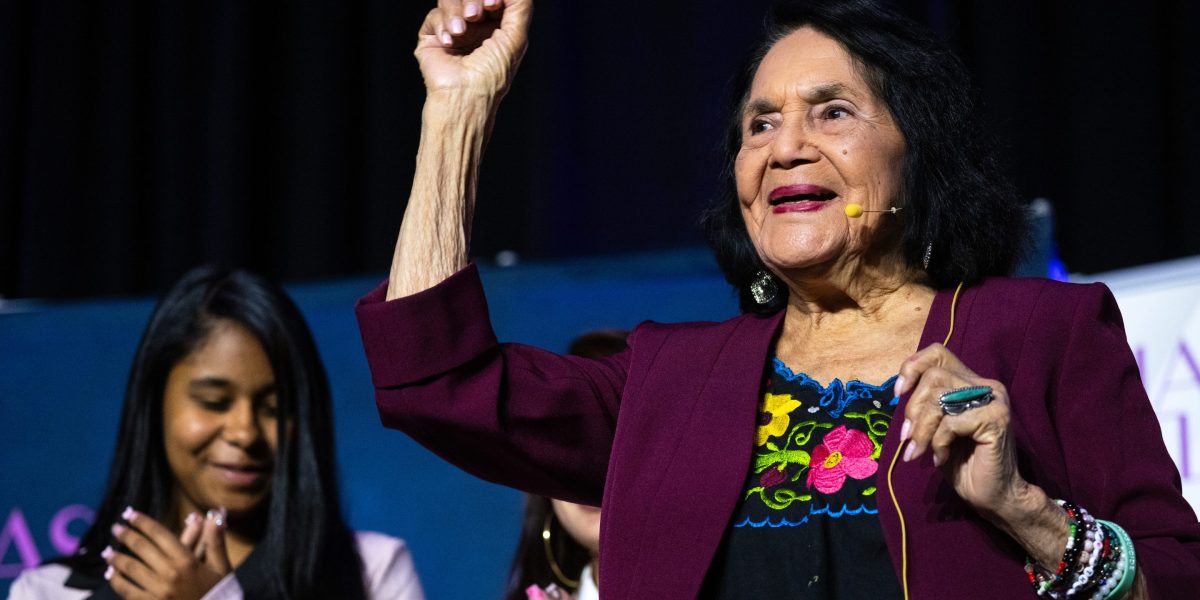
Huerta’s legacy was forged in the dust and heat of the nation’s fruit and vegetable fields. Recognizing that the laborers who harvested the country's produce lived in precarious conditions with little to no protection, she co-founded the United Farm Workers union. This was not merely an exercise in collective bargaining, but a fundamental fight to improve the grueling working conditions of migrant workers. By organizing these laborers, Huerta sought to transform the agricultural landscape from one of exploitation to one of dignity, ensuring that those at the bottom of the economic ladder had a mechanism to demand fair treatment.
While the structural victories of the union were significant, Huerta provided the movement with its emotional and psychological engine. She is credited with coining and popularizing the phrase 'Sí, se puede!'—Yes, it can be done. More than a slogan, the phrase became a rallying cry for empowerment, signaling a shift in consciousness for migrant workers who had long been told that their situation was immutable. Through this mantra, Huerta didn't just advocate for better wages or safer fields; she advocated for the belief in the possibility of change.
As the decades passed, Huerta’s vision of justice expanded beyond the boundaries of the farm.

BREAKING: Labor leader, feminist and civil rights icon Dolores Huerta has died at 96. https://t.co/zIVZ5qLKKf https://t.co/jjN9if7jSM
As the decades passed, Huerta’s vision of justice expanded beyond the boundaries of the farm. She recognized that the struggles of the laborer were inextricably linked to broader systemic failures in governance and law. Through her foundation, she pivoted her formidable energy toward addressing immigration and voting issues, understanding that without political agency and legal security, the gains made in the fields would always be fragile. Her lifelong dedication to empowering her community did not go unnoticed by the state. She was eventually awarded the Presidential Medal of Freedom, the highest civilian honor in the United States, a recognition of her role as a primary architect of social progress.
In the wake of her passing, the grief is both public and deeply personal. The loss is felt not only by the millions of workers who benefited from her advocacy but by the family that supported her lifelong crusade. Erik Olvera expressed the weight of the moment, stating, "As you can imagine, this is an incredibly difficult time for us, and we ask for privacy as we grieve this incredible loss to our family."
Dolores Huerta leaves behind a blueprint for activism that transcends the specific grievances of the 20th-century farm worker. Her life served as a testament to the idea that organized persistence can dismantle entrenched power, leaving a legacy that continues to inspire those who believe that, indeed, it can be done.