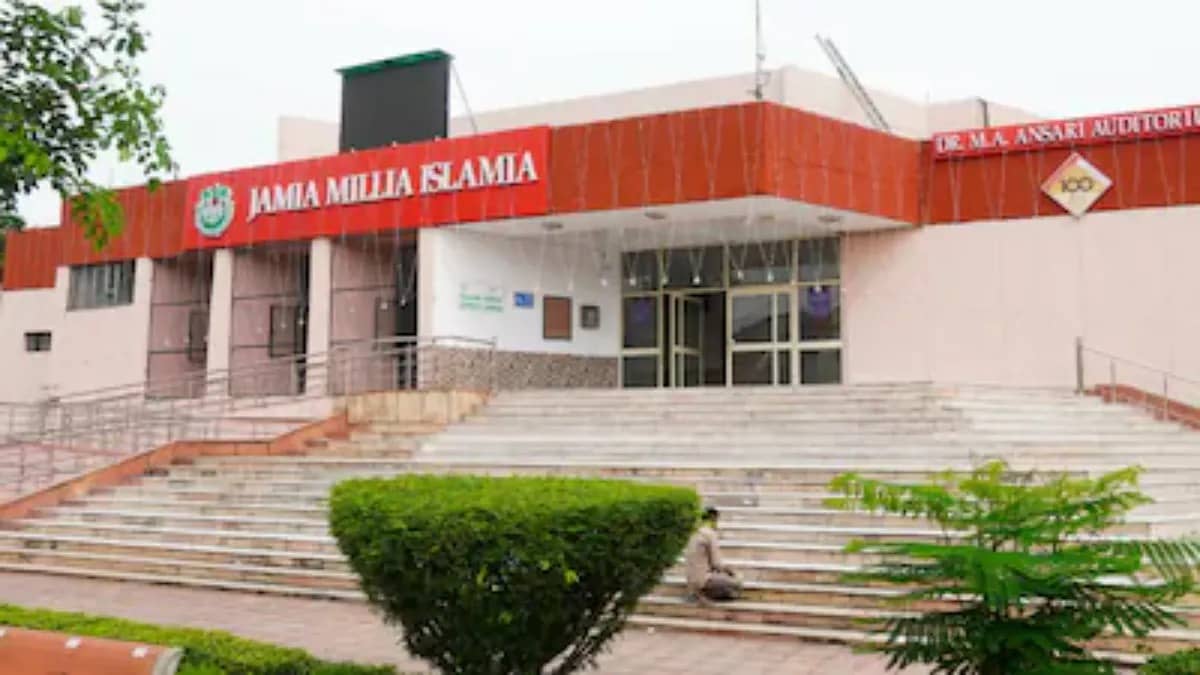
For two decades, student union elections at Jamia Millia Islamia university remained unrealized. For twenty years, democratic campus representation sat in limbo while students voiced grievances and organized around internal university administration issues. On October 26, 2026, those long-simmering demands reached a critical juncture as students launched protests demanding the immediate restoration of their elected union.

The absence of student union elections at Jamia Millia Islamia has spanned a generation of campus life. It has been 20 years since the last student union elections were held at the university. Over that long interval, students repeatedly raised demands for democratic representation, arguing that an elected union is essential for addressing student representation and resolving ongoing issues with the university administration.
As grievances accumulated, student groups organized multiple protests over time, pushing for an official restoration of their rights. The core demand was straightforward: re-establish the student union so that the student body would have a formal, recognized mechanism to negotiate directly with administrative leaders on campus policy, student discipline, and security concerns.
These measures represented significant administrative concessions, designed to demonstrate goodwill and convince the students to end their demonstration.
On October 26, 2026, the ongoing tension culminated in a direct confrontation on campus. As student protests unfolded across the university grounds, Jamia Registrar Prof Md Mahtab Alam Rizvi arrived at the scene to engage in direct dialogue with the demonstrating crowd.
Registrar Rizvi sought to initiate talks with the protesting students to de-escalate the standoff. University officials met directly with the protesters on site, bringing forward an official order issued by the university administration intended to address the long list of student demands.

Jamia Millia Islamia announces resumption of student union elections after two decades. In an order issued on Monday, the university administration said the elections would be held within 15 days of the approval of the students’ union constitution. “The Jamia Millia Islamia Students’ Union Election will be held after 15 days, from the date of approval of the constitution of the Students’ Union of Jamia Millia Islamia,” the order stated. The announcement comes after days of protests by students, who have been demanding the restoration of the elected students’ union, which was dissolved by the university administration in 2006.
The administration’s order attempted a broad compromise to address student grievances. To resolve friction over past disciplinary actions, the university agreed to the revocation of suspension orders that had been issued against students during previous disputes.
Additionally, the order addressed growing safety concerns by authorizing the formation of a committee to examine the conduct of security personnel on campus. These measures represented significant administrative concessions, designed to demonstrate goodwill and convince the students to end their demonstration.
At the center of the university’s order was an explicit plan regarding student union restoration. The administration announced that student union elections would indeed be held, pledging to conduct the vote within 15 days.
However, that commitment came with an explicit structural prerequisite: the elections would take place 15 days after the approval of a new student union constitution. While the announcement initially appeared to mark a historic breakthrough after a 20-year hiatus, the conditional wording immediately shifted the focal point of the dispute.

STORY | Jamia university orders student union polls within 15 days of constitution approval Jamia Millia Islamia on Monday ordered that students' union elections be held within 15 days of the approval of the union's constitution and revoked suspension and show-cause notices issued to students during the ongoing protest, according to an official order. The order, issued by Registrar Md Mahtab Alam Rizvi, also provides for the constitution of a committee to inquire into the conduct of security staff during the protest period. READ: https://t.co/wXQDdKZqNu
The student body quickly identified what they viewed as a fatal ambiguity in the administration's offer. While the order specified a swift 15-day countdown once the constitution was approved, it failed to provide any clear timeline for when the approval of the constitution would actually happen.
Without a fixed schedule or binding deadline for constitutional approval, the 15-day countdown held no operational certainty. Students questioned the total absence of a timeline, pointing out that without a firm date for ratifying the constitution, the promise of elections could be deferred indefinitely by administrative delay.
Faced with what they characterized as an ambiguous offer, the protesting students formally rejected the university's appeal to end their protest. Rather than clearing the site, the demonstrators vowed to continue their agitation on campus.
The students declared that they will maintain their protest until the university administration addresses their demands through clear, written commitments backed by definite timelines. As the standoff continued on October 26, 2026, the deadlock remained unbroken—leaving the 20-year wait for Jamia Millia Islamia's student union unresolved.

Delhi की Jamia Millia Islamia University में छात्रसंघ चुनाव की माँग को लेकर बवाल जारी #JamiaProtest #JamiaUniversityRow #Delhi @jaspreet_k5 | @RachnaUpadhya https://t.co/yBNY3Hfs0r