
In the autumn of 2026, Pakistan found itself confronting a familiar yet urgent challenge: the rising price of wheat, a cornerstone of the nation's diet and economy. On an unspecified date in late October, a cabinet committee meeting convened to review stocks, prices, and supply of essential commodities. The gathering, led by Deputy Prime Minister Ishaq Dar, represented the government's acknowledgment that wheat prices had climbed to a point demanding immediate attention.

The meeting wasn't merely a discussion—it was a command center. Dar directed federal and provincial authorities to take all necessary measures, including increasing market supply, maintaining zero tolerance for hoarding, and addressing market speculation. These directives weren't suggestions but marching orders for a complex bureaucratic machine spanning multiple jurisdictions. The goal was straightforward: bring prices under control before they spiraled further.
An example of embedded nexus b/w PTI & mafias is that prices of wheat, sugar & medicines that were exorbitantly increased 2 pocket profits have not come down, which means that mafias r skimming millions with full connivance of Niazi, its rhetoric of accountability notwithstanding
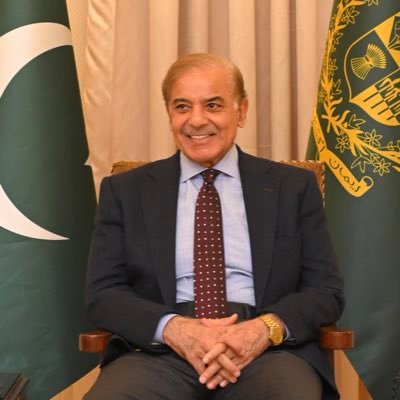
Prime Minister Shehbaz Sharif approved an indicative wheat price of Rs4,500 per forty kg. This figure represented an increase from the previous year's price—a substantial jump designed to accomplish multiple objectives. The government framed this as both a farmer support mechanism and a food security strategy. By offering a higher price, authorities hoped to encourage farmers to expand wheat cultivation, compensating them for rising production costs while simultaneously strengthening the country's ability to feed its population.
As the government announced its measures, questions emerged about implementation.
For Pakistan's farmers, the price increase offered a potential lifeline. Cultivating wheat had become increasingly expensive, with inputs like fertilizers and pesticides consuming larger portions of their budgets. The government recognized this reality, acknowledging that the wheat price support alone wasn't sufficient. To truly encourage cultivation, authorities would need to address the affordability of these essential agricultural inputs. The directive was clear: keep a close watch on input prices, particularly fertilizers, and ensure their availability at affordable rates. This holistic approach reflected an understanding that farmers' decisions were influenced by more than just the final sale price of their wheat.

Prime Minister Shehbaz Sharif chaired a meeting of the Federal Cabinet. Key decisions include: - Gwadar Port Utilization: The Cabinet approved a proposal directing all govt. departments to route 50% of their imports—such as wheat, sugar, and fertilizer—through Gwadar Port. This move aligns with the Prime Minister’s earlier directives to boost Gwadar operations for the development and prosperity of Balochistan. - Sugar Exports Success: The Cabinet praised the decision on sugar exports, which boosted foreign exchange, stabilized prices, and benefitted farmers.
As the government announced its measures, questions emerged about implementation. Khalid Nawaz Sadhraich of the PTI Kisan Wing welcomed the wheat support price of Rs4,500 per maund (40kg), but his welcome came with a critical caveat. "We welcome the government's announcement," he stated, "while expressing reservations about its implementation and demanding concrete measures to ensure farmers receive the announced rate for their produce." This sentiment captured a persistent challenge in agricultural policy: the gap between announced prices and what farmers actually receive in the marketplace.
The government's response included a commitment to building mechanisms that would bridge this implementation gap. Authorities announced plans for strict monitoring systems with transparent procurement arrangements and effective oversight. These weren't abstract concepts but practical measures designed to ensure that the wheat price reached its intended beneficiaries—the farmers—without being siphoned off by middlemen or corrupted by local officials.

The government has approved the Wheat Policy 2025-26 following a high-level meeting chaired by Prime Minister Shehbaz Sharif. The policy aims to ensure fair returns for farmers and strengthen national food security. Key measures include: • Procurement of 6.2 million tons of wheat at Rs3,500 per 40 kg, aligned with international prices • Unrestricted inter-provincial movement of wheat • Establishment of a national wheat monitoring committee, chaired by the federal minister for national food security, to oversee weekly implementation The prime minister said the policy was developed through consultation with provincial governments and farmer organisations to promote agricultural growth and protect public interests.
Pakistan's wheat price intervention represented a delicate balancing act. On one hand, the government needed to support farmers and ensure food security. On the other, it couldn't allow price increases to translate into unaffordable bread for consumers. The Rs4,500 price wasn't set in isolation but as part of a broader strategy that included increasing supply and preventing hoarding. This comprehensive approach reflected an understanding that food price stability required attention at multiple points in the supply chain, from farm to market to table.
As October 2026 drew to a close, Pakistan's wheat intervention remained in its early stages. The cabinet committee's directives had been issued, the price had been set, and implementation mechanisms were being established. The true test would come in the months ahead, as the new wheat season progressed and the policies moved from paper to practice. For now, the government had demonstrated its recognition of the problem and its commitment to addressing it through coordinated action across federal and provincial levels. The success of these measures would ultimately be measured not in announcements, but in the stability of wheat prices and the wellbeing of both farmers and consumers across the country.