
The day began with a sense of history, as the Israeli parliamentary election saw a record voter turnout. Reports indicated a 77.7% voter participation, the highest in over 50 years. In Arab-majority communities, the turnout was particularly high. This marked a significant shift, as the election came following the October 7 massacre, which had already heightened tensions and galvanized the electorate.

As the night wore on, the exit polls began to emerge. Findings showed that neither Prime Minister Benjamin Netanyahu's bloc nor the opposition, led by Gadi Eisenkot, had secured the required 61 seats for a majority. The numbers were tight, with the opposition expected to secure 50-53 seats and Likud projected to win 24-25 seats. The results were a reminder of the political instability that has long plagued Israeli democracy.

Prime Minister Benjamin Netanyahu and rival Gadi Eisenkot have offered competing claims to lead Israel after yesterday's election https://t.co/0mdgSHEJ8P
One of the most significant developments was the surge in support for Arab parties. These parties were projected to secure 17 to 18 seats, making them potential kingmakers in the Knesset. The rise of these parties was seen as a response to a desire for greater representation in the Israeli political system.
This left Netanyahu and his coalition in a precarious position, with no clear path forward.
The high voter turnout was not just a matter of numbers. It reflected a deep-seated desire among Israelis to have a say in their future. The record numbers were particularly notable in Arab-majority communities, where the sense of political empowerment was palpable. Residents of these areas felt that their voices were finally being heard, and they were determined to make their mark.
As the night progressed, the political deadlock became clearer. The exit polls showed that no bloc was reaching the 61-seat majority threshold. This meant that the Knesset would be hung, and a coalition government would need to be formed. The implications were significant, as the formation of such a government would likely be complex and contentious. This left Netanyahu and his coalition in a precarious position, with no clear path forward.
The election results sent ripples through the Israeli political landscape. The Arab parties' rise to prominence was a clear indication of a shift in the balance of power. For Netanyahu, the results were a reminder of the challenges he faced in maintaining his grip on power. The opposition bloc, on the other hand, saw an opportunity to shape the future of the country. The next few weeks would be crucial, as negotiations for a coalition government began. The outcome would determine the direction of Israeli politics for years to come.
As the night drew to a close, the political landscape of Israel was in flux. The exit polls had revealed a tense deadlock, with the Arab parties emerging as key players. The high voter turnout was a testament to the enduring democratic spirit of the Israeli people. The road ahead was uncertain, but one thing was clear: the political landscape of Israel was about to undergo a significant transformation. The next few weeks would be crucial, as the country navigated the complex process of forming a new government and shaping its future.
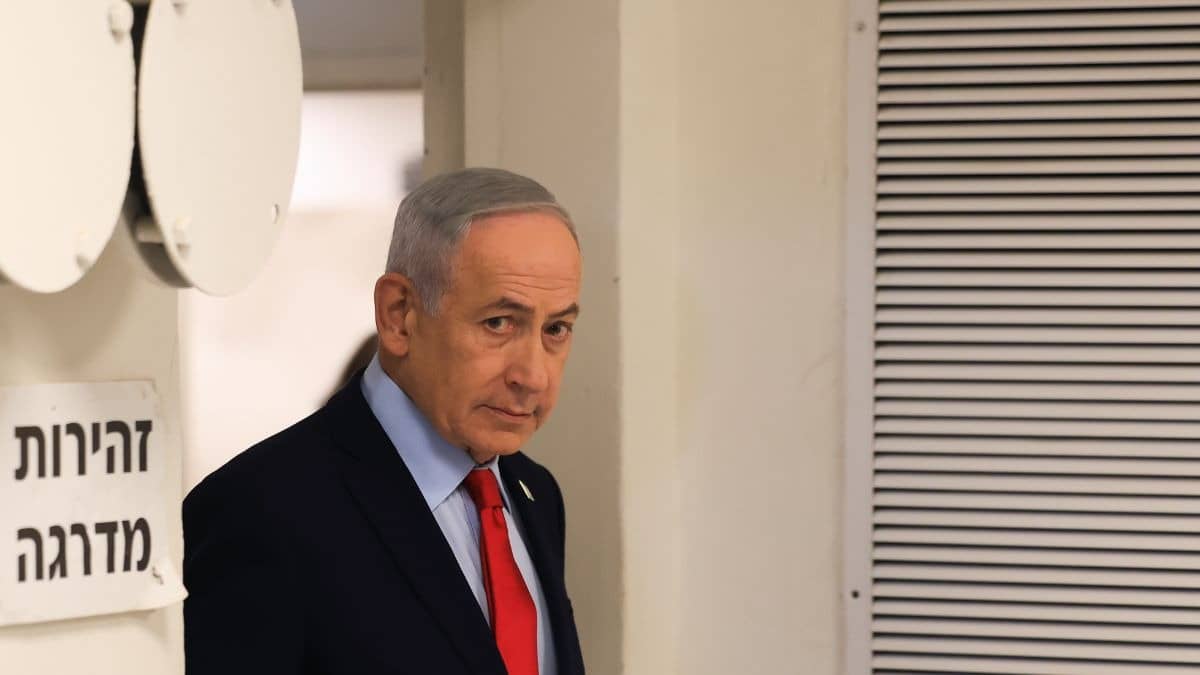
- Voter Turnout: 77.7% - Likud Projection: 24-25 seats - Opposition Projection: 50-53 seats - Arab Party Seats: 17-18 - Majority Threshold: 61 seats
"The Arab parties emerged as key players, with projections of 17-18 seats."