
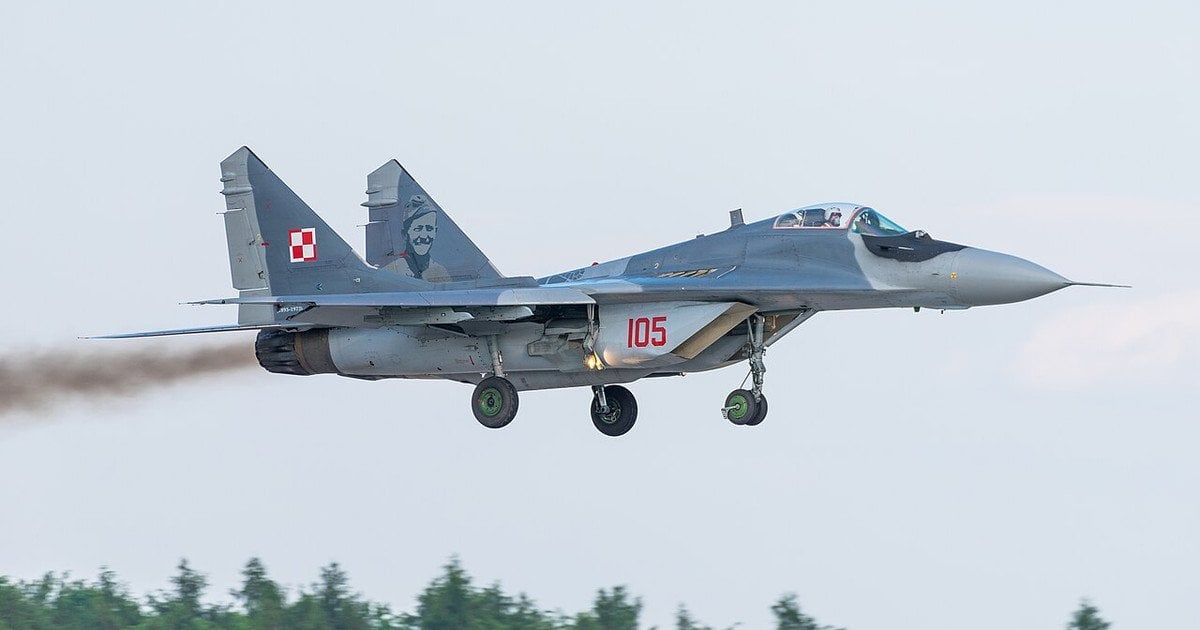
For observers of the ongoing conflict in Ukraine, the status of air power has long been a focal point of international diplomacy. On October 29, 2026, the landscape of that support shifted once more as Poland confirmed it is preparing a new military aid package for Ukraine valued at 50 million euros. At the heart of this announcement is the transfer of two MiG-29 fighter jets, a move that underscores both the persistent need for Soviet-era hardware and the evolving nature of bilateral defense agreements.
While the headline figure of 50 million euros represents a significant injection of resources, the material reality of the aid is nuanced. The package is not limited to aircraft; it includes a critical supply of artillery shells in both 155mm and 152mm calibers, alongside Piorun air defense missiles. These munitions are designed to bolster the defensive capabilities of Ukrainian forces, providing them with the necessary tools to maintain pressure on the front lines. The Polish Ministry of Defense has maintained a policy of confidentiality regarding the full inventory, emphasizing that the aid consists of older or surplus gear that remains highly effective for Ukrainian operational needs.
Not all aircraft are created equal, and the two MiG-29s destined for transfer represent different roles within the Ukrainian arsenal. Dariusz Lukowski of the Polish Ministry of Defense clarified the status of these machines: one is fully operational, while the other has reached the end of its operational life and is intended to be used for parts. This pragmatic approach highlights the reality of maintaining aging airframes in a high-intensity conflict, where cannibalizing one jet to keep another in the sky is a standard, if difficult, necessity.
It is important to view this transfer in the context of earlier, more ambitious projections.
This delivery is the culmination of a long and often difficult diplomatic process. The path to this transfer was not a straight line; it followed complex negotiations regarding a potential exchange of Polish aircraft for Ukrainian drone technology. Władysław Kosiniak-Kamysz had previously proposed a partnership approach, suggesting that MiG fighters could be traded for drone capabilities. While the Ukrainian side initially signaled agreement, the deal did not materialize as originally envisioned, leading to a period of uncertainty regarding the fate of the jets. The General Staff of the Armed Forces of Ukraine had been actively engaged in these negotiations since December 10, 2025, seeking to secure the assets necessary to maintain their aerial defense.
It is important to view this transfer in the context of earlier, more ambitious projections. At various points in the negotiation process, discussions suggested a much larger transfer, with estimates ranging from six to eight jets. The current reality—a confirmed package of two aircraft—reflects a recalibration of what is feasible and available. The decision to move forward with this smaller, targeted package marks the end of a period of speculation and the beginning of a concrete delivery phase.
Despite the hurdles and the scaling back of the initial plans, the commitment remains firm. As Dariusz Lukowski stated, "The decision has been made, and these two MiG-29s will be transferred." This move serves as a reminder of the persistent support Poland has provided throughout the conflict. As the equipment prepares to move toward the border, it represents not just a transfer of hardware, but a continued commitment to the defensive capacity of Ukrainian forces in a conflict that shows no signs of abating.