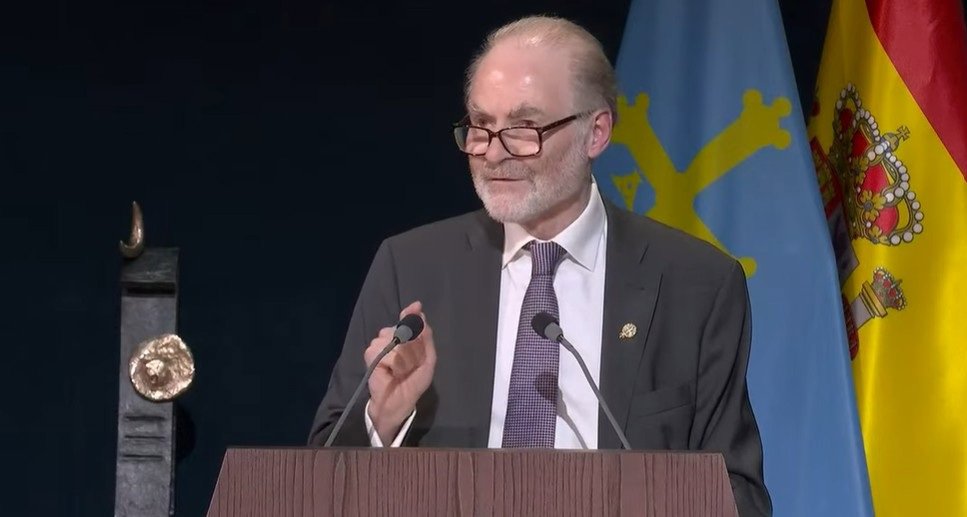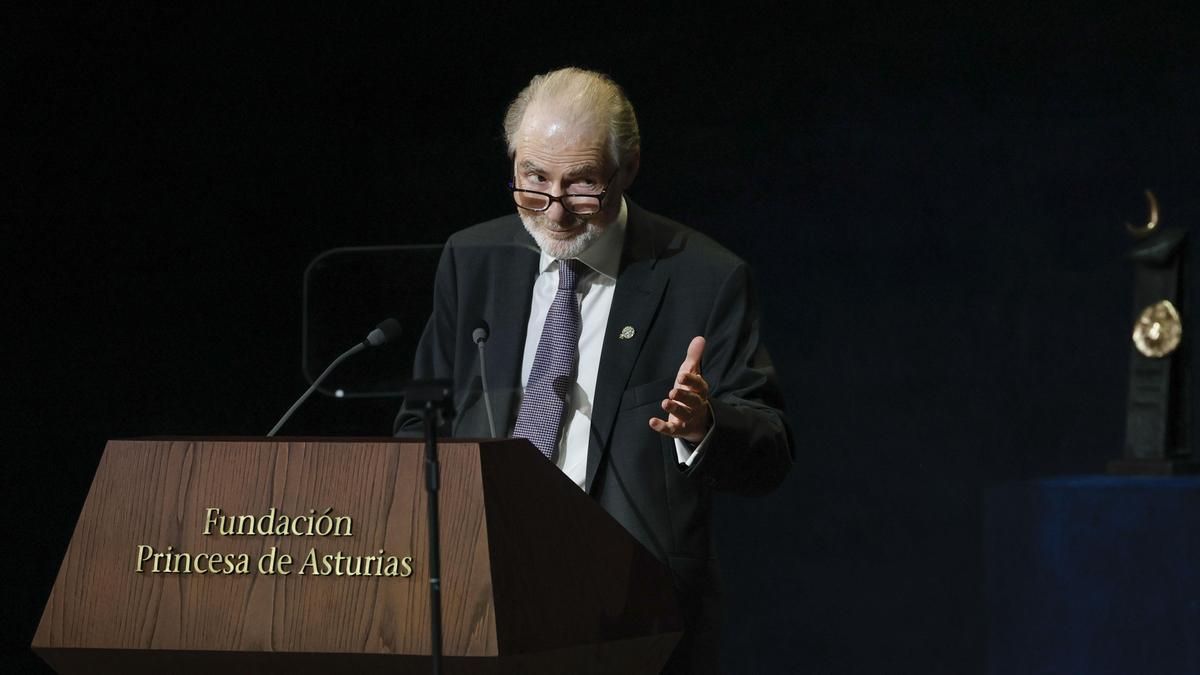
During the 2026 Princesa de Asturias Awards, the spotlight fell on Timothy Garton Ash, a historian whose scholarship on Europe’s modern era has earned him a reputation for both neutrality and conviction. As the ceremony unfolded, he stepped onto the stage to deliver a speech that would echo far beyond the event.
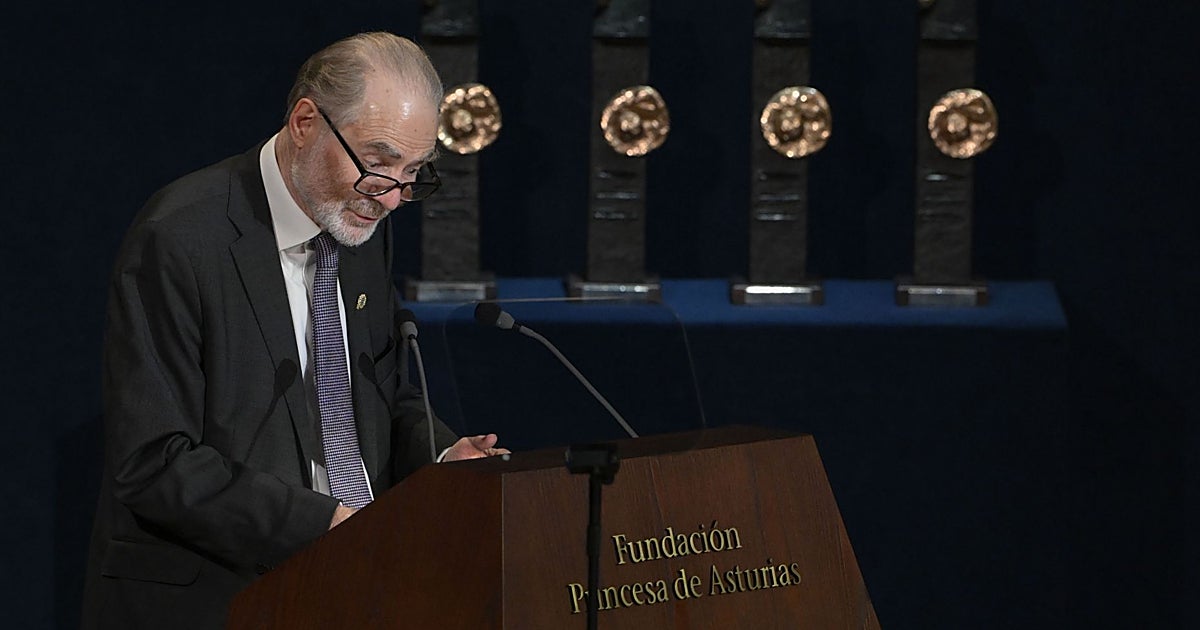
Garton Ash began by likening Europe’s political landscape to a football match, invoking the “tiquitaca” style of play—a blend of diversity and unity that, he argued, had propelled the continent’s most successful moments. “Seríamos imbatibles si en Europa combinamos la diversidad y la unidad,” he declared, framing the idea that a united Europe could stand invincible against the storms that now gather.
He reminded the audience that the achievements of the post-1945 era—freedom, peace, and integration—were not merely inherited but earned through decades of collective effort. “Todo lo conseguido desde 1945... se encuentra hoy amenazado en su propia existencia,” he said, underscoring the fragility of the gains that many of his contemporaries had taken for granted.
Reiterating his earlier football metaphor, Garton Ash warned that without a cohesive strategy, Europe risks becoming fragmented.
Garton Ash turned to the conflict in Ukraine, using it to illustrate the external threat that Europe faces. He argued that the continent’s unity is tested not only by internal divisions but also by the geopolitical upheavals that spill across its borders, requiring a new generation to defend democratic values.
In his address, the historian urged that the responsibility for safeguarding democracy falls on the shoulders of those who must now defend, reform, and expand a free Europe. He framed this cohort as the ones capable of renewing the commitment to truth, trust, and teamwork that had once defined Europe’s golden age.
Reiterating his earlier football metaphor, Garton Ash warned that without a cohesive strategy, Europe risks becoming fragmented. He called for a new generation of leaders who would combine diversity and unity in the same way that the continent had done during its most prosperous periods. The historian’s tone was a sober reminder that the past’s achievements are contingent upon present action.
The speech concluded with a note of cautious optimism. While acknowledging the cumulative threats—both external and internal—Garton Ash maintained that Europe’s future depends on the collective will of its peoples. The message was clear: the continent’s survival hinges on the ability of its nations, states, and regions to work together, to defend democratic values, and to embrace the diversity that has always been its strength.