
Belgian Prime Minister Bart De Wever has submitted his resignation to the king following months of failed negotiations over a €10 billion budget adjustment. The collapse of talks—focused on spending cuts and tax measures—has left Belgium without a fiscal plan as the year-end deadline nears. Belgium’s public debt, now at €735 billion (110% of GDP), exceeds the European Union’s 60% debt-to-GDP limit, raising concerns about financial stability.
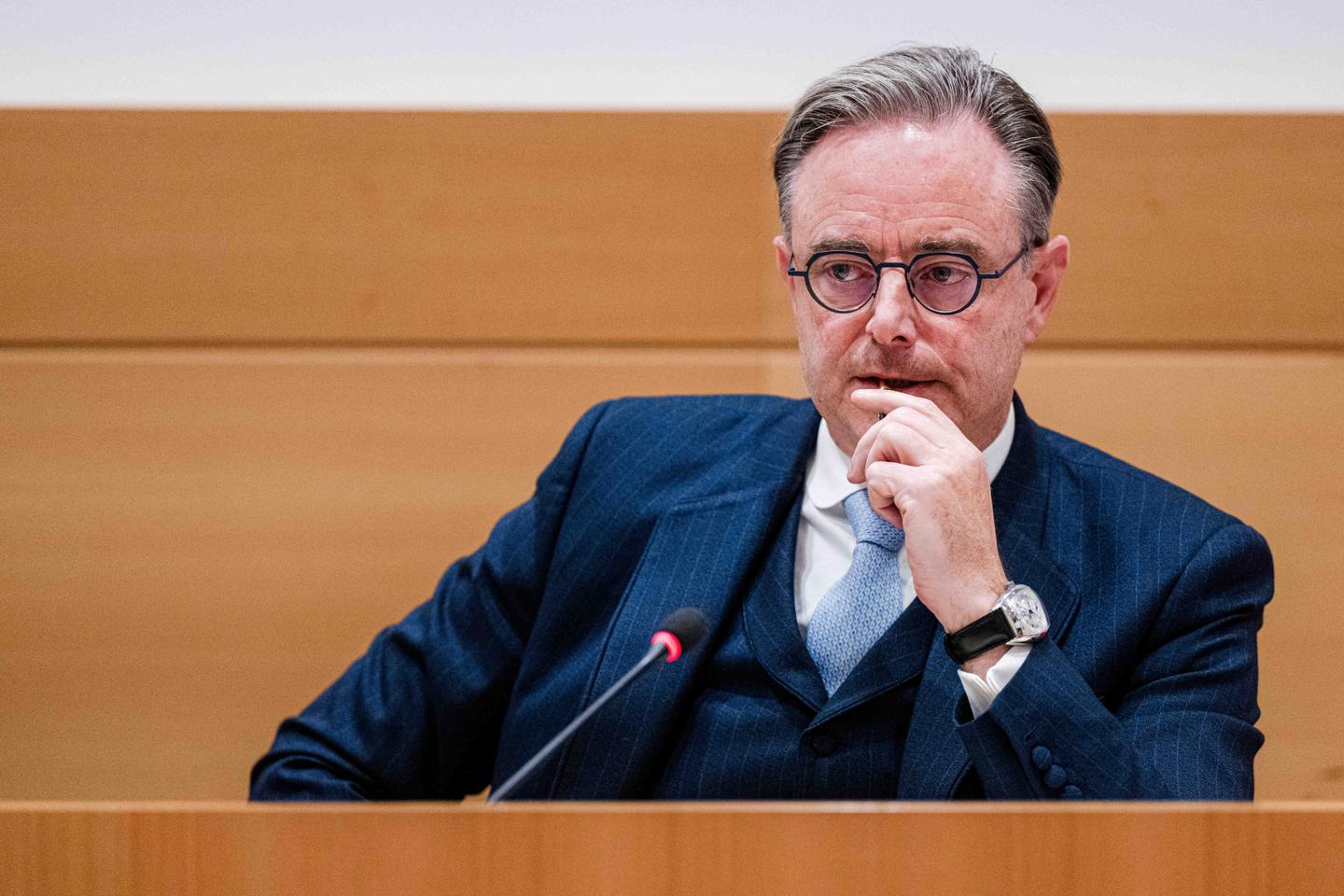
The impasse arose from conflicting demands within De Wever’s coalition. While he proposed €10 billion in cuts to address fiscal pressures, Walloon parties pushed for €8 billion in reductions. Public opposition to austerity measures further strained negotiations, with De Wever warning that inaction could trigger a sovereign credit rating downgrade. The failure to reach a deal follows a final meeting where no compromise emerged.
Under Belgian tradition, the monarch delayed accepting De Wever’s resignation, inviting further negotiations. The monarchy emphasized the need for stability amid economic and geopolitical challenges. Without a budget resolution by year-end, Belgium will rely on provisional payments, postponing long-term fiscal solutions.
Under Belgian tradition, the monarch delayed accepting De Wever’s resignation, inviting further negotiations.
Belgium’s deficit remains above 5% of GDP, exceeding EU targets. The proposed cuts were intended to span until 2029, but their rejection leaves the government struggling to balance spending amid rising debt servicing costs. The resignation marks a critical moment for Belgium’s political and economic future, highlighting the need for immediate fiscal clarity.