In the complex, swirling mechanics of tropical meteorology, names are more than mere identifiers; they are markers of a system's journey through the ocean. The name 'Arnab'—proposed by Bangladesh and officially sanctioned for the regional list of tropical cyclones—now carries a weight of increasing urgency. What began as a developing weather system is rapidly evolving, moving from a deep depression toward a much more formidable presence in the Bay of Bengal.

The system has already intensified into a deep depression. The trajectory is clear, and the timeline is tightening. Meteorological forecasts suggest the storm is on a path to cross the coast between Bapatla and Visakhapatnam, a stretch of shoreline that must now prepare for the arrival of a very severe cyclone.
Nature rarely moves in a straight line, but the intensification of Arnab follows a predictable, albeit frightening, mathematical progression. The system solidified its status as a deep depression. It is expected to elevate further, intensifying into a very severe cyclone.
In the eyes of the state leadership, the most critical task is the movement of those most at risk.
This intensification brings with it the promise of violent kinetic energy. Forecasters are tracking wind speeds that could reach between 115 and 125 kmph, capable of transforming a heavy rain event into a destructive force of wind and debris.

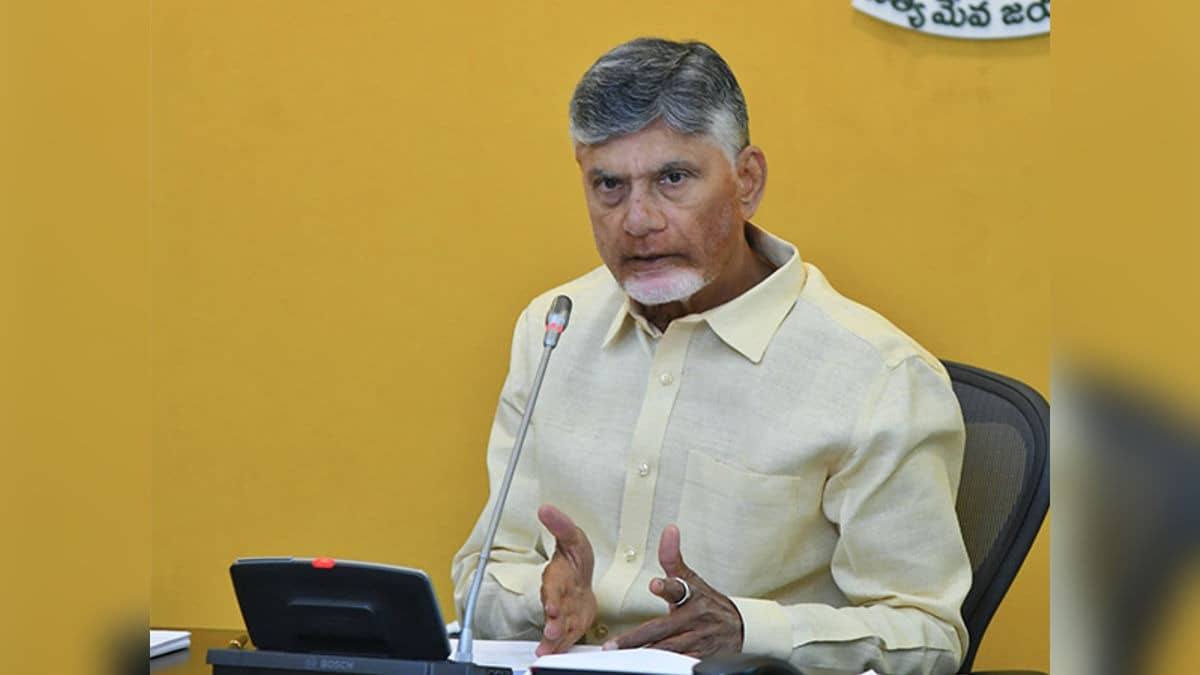
VIDEO | Amaravati: Andhra Pradesh Chief Minister N Chandrababu Naidu on Sunday reviewed the state's preparedness for Cyclone Arnab, which is expected to cross the coast between Bapatla and Visakhapatnam on October 28. A total of 10 National Disaster Response Force (NDRF) teams and 11 State Disaster Response Force (SDRF) teams have been deployed for rescue and relief operations. (Source: Andhra Pradesh CMO) (Full video available on PTI Videos - https://t.co/bIyFWTfmBd)
In response to this mounting atmospheric pressure, Andhra Pradesh Chief Minister N Chandrababu Naidu has moved the state into a posture of maximum preparedness. During a high‑level review meeting, the Chief Minister directed officials across the state to remain on high alert. The goal is not merely reaction, but proactive mitigation.
To manage the chaos that often accompanies such weather events, Naidu has ordered the immediate establishment of district control rooms. These hubs are designed to serve as the central nervous system for emergency response, coordinating the flow of information and the deployment of resources. To ensure that the warning reaches the furthest corners of the coast, the administration has also mandated continuous mobile alerts, turning personal devices into vital tools for survival.
Disaster management is as much about human logistics as it is about meteorology. In the eyes of the state leadership, the most critical task is the movement of those most at risk. The Chief Minister has identified specific populations that require immediate, preemptive action to avoid tragedy when the storm eventually makes landfall.
"If the cyclone disrupts transport and communication, pregnant women may face serious difficulties; hence they must be shifted to hospitals in advance," Naidu stated, highlighting a specific vulnerability in the face of potential infrastructure failure. This directive extends to a broader evacuation of coastal residents, moving them from the direct line of the storm to safer, inland locations before the winds become unmanageable.

Cyclone Arnab : AP CM Chandrababu Naidu reviews preparedness with 10 departments and district collectors. ▪️ Landfall likely between Bapatla and Visakhapatnam, possibly near Kakinada-Konaseema coast on October 28, with winds reaching 140 kmph! ▪️ Heavy to extremely heavy rainfall expected on October 27 and 28. ▪️ Anakapalli may receive 29 cm rainfall, followed by ASR district (28 cm), Visakhapatnam (25 cm) and Srikakulam (25 cm). ▪️ Pregnant women due for delivery this week to be shifted to hospitals in advance. ▪️ Fishing boats ordered to return to shore. Power and telecom restoration teams to remain ready. ▪️ Control rooms, mobile alerts and cyclone bulletins every four hours. CM sets zero casualties as the target, directing officials to ensure food, drinking water, shelters and immediate assistance to affected families.
As the storm approaches, the stability of essential services becomes a primary concern. A cyclone does not just bring wind; it brings the threat of isolation. To combat this, the Andhra Pradesh government has issued specific directives to power utilities. The mandate is clear: ensure an uninterrupted supply of electricity as long as possible, providing the light and power necessary for communication and medical facilities to function during the height of the crisis.
This effort to maintain infrastructure is mirrored by the neighboring state of Odisha. As the storm moves closer to the coast, the Odisha government has also entered a phase of intense preparation, setting an ambitious target of achieving zero casualties as the system moves through the region.
All eyes are now fixed on October 28. This is the date when the meteorological models suggest the system will make landfall, potentially striking the coast between Bapatla and Visakhapatnam. The window for preparation is closing, as the transition from a deep depression to a very severe cyclone moves through its final, most intense stages.
The coming days will test the coordination between district control rooms, power utilities, and emergency responders. For the coastal communities of Andhra Pradesh, the focus remains on the immediate: the evacuation of homes, the securing of hospitals, and the hope that the state's high alert can weather the impact of Arnab.

CM Naidu puts officials on high alert as cyclone nears Andhra Pradesh coast #AndhraPradesh #CycloneAlert #Cyclone #CycloneArnab https://t.co/Mqpyw2Eqc0