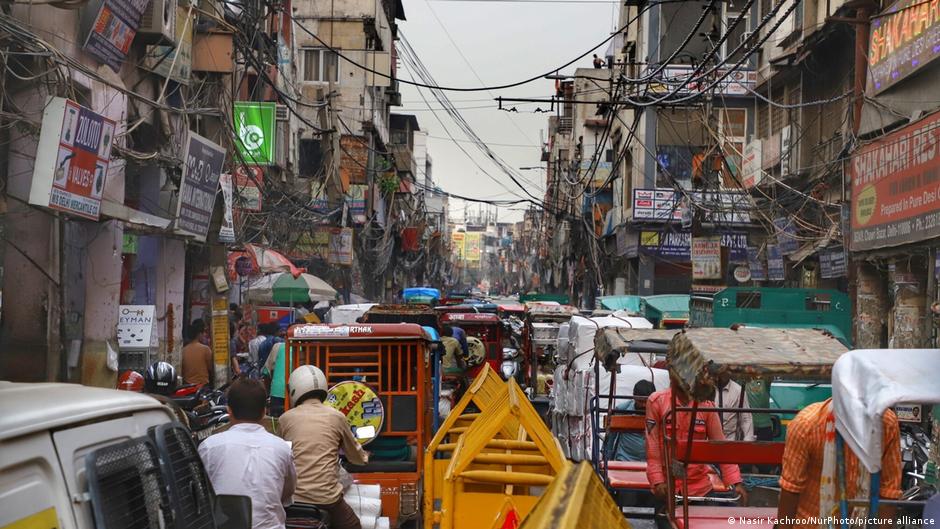
On November 5, 2026, the historic heart of Old Delhi became the site of a harrowing emergency. In the dense, labyrinthine corridors of Chawri Bazar, a three-storey building that was currently under construction suddenly gave way. The collapse, which occurred during the height of the festive season, sent shockwaves through the neighborhood. As the dust settled, the immediate reality became clear: at least two people had lost their lives, and the grim task of searching for survivors began under the most difficult of circumstances.

Rescue operations in Chawri Bazar are being pushed to their limits by the very geography of the area. The neighborhood is defined by its tight, congested spaces, which have historically made emergency access a logistical nightmare. Reports indicate that six people are feared trapped beneath the debris of the fallen structure. Emergency teams are currently navigating the unstable site, attempting to reach those buried while contending with the structural fragility of the surrounding area. Despite the scale of the destruction, authorities have noted that nearby buildings remained standing, spared from the collapse that leveled the under-construction site.
The tragedy in Chawri Bazar was not the only structural failure to strike the capital that day. In the nearby iconic district of Chandni Chowk, a separate incident saw the collapse of a 160-year-old Town Hall. The loss of such a historic landmark serves as a stark reminder of the ongoing challenges regarding infrastructure maintenance and safety in some of India’s oldest urban centers. While the two events in Old Delhi occurred in close proximity, they highlight a broader, persistent vulnerability in the city's built environment.
While Delhi grappled with the aftermath of its building collapses, a different kind of emergency was unfolding hundreds of miles away.
While Delhi grappled with the aftermath of its building collapses, a different kind of emergency was unfolding hundreds of miles away. In the Khammam district of Telangana, the focus shifted from solid ground to the water. A group of people found themselves in a life-threatening situation when boats capsized in a flooded lake. The incident triggered an urgent rescue operation, drawing resources away from the dry land and into the unpredictable, turbulent waters of the district.
In the Khammam incident, the stakes were immediate and high. Eleven personnel were reported missing after their boats went under in the floodwaters. The rescue mission, which required specialized coordination to navigate the flooded environment, eventually succeeded in locating and saving all 11 of the missing individuals. This successful recovery provided a rare moment of relief amidst a day otherwise defined by tragedy and uncertainty.
When viewed together, the events of November 5, 2026, underscore the immense pressure placed on India’s emergency response systems. Whether it is the delicate, manual labor required to clear rubble from a collapsed building in a congested bazaar or the rapid deployment of water rescue teams in a flooded district, the challenges are as diverse as the geography of the country itself. These incidents bring to the fore the persistent risks associated with aging infrastructure and the complexities of managing safety in densely populated, rapidly changing urban and rural landscapes. As search and rescue operations continue in the wake of these disasters, the focus remains on the human cost and the ongoing struggle to secure the safety of those living in the shadow of such precarious conditions.