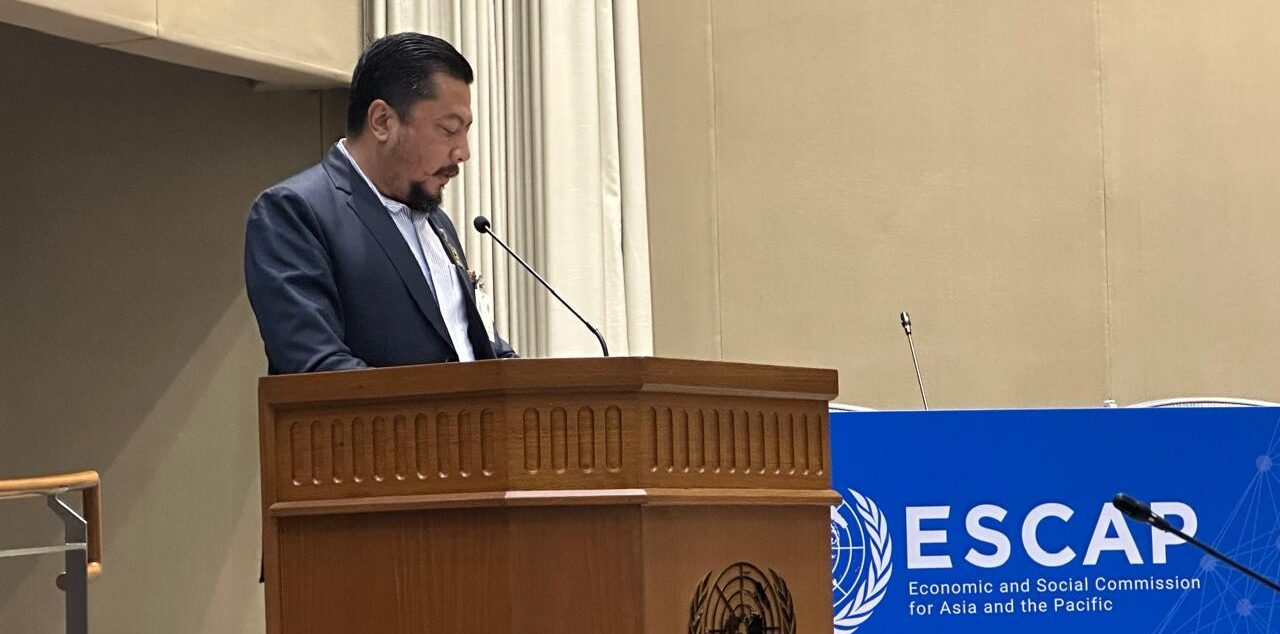
On October 30, 2026, the air inside the UN ESCAP headquarters in Bangkok felt charged with the weight of a mountain range. Representatives gathered for a high-level regional dialogue titled From Sagarmatha to the Sea. The title was not merely poetic; it mapped the physical reality of the crisis facing the region. The Himalayas are the source of major river systems that feed into oceans across the globe, meaning risks in the snow-capped peaks inevitably ripple down to coastal communities. This connection is the core of the discussion taking place in Bangkok.

Nepal took center stage at this gathering, presenting its vision for managing these cross-border risks. Minister for Energy, Water Resources and Irrigation Biraj Bhakta Shrestha addressed the assembly. He did not speak alone but represented a collective effort involving Prime Minister Balendra Shah, who proposed the establishment of a specific mechanism for knowledge sharing. The goal was clear: to address the effects of climate change while managing transboundary disaster risks. The room reflected a shift from isolated national strategies to coordinated regional action.
The centerpiece of the presentation was a set of four key proposals designed to tackle the multifaceted nature of the threat. The first proposal focused on technology. Nepal sought to share space technology and data. In general terms, satellite monitoring allows nations to track environmental changes without needing to be physically present in every hazard zone. By combining this with artificial intelligence, the aim is to create multi-hazard early warning systems. These systems can detect potential disasters before they strike, giving time for preparation rather than reaction.
This means that money flowing into hydropower projects on riverbanks or border towns must be made risk-sensitive.
A second pillar involved the creation of a Himalayan Climate Resilience Mechanism. This was proposed by Prime Minister Balendra Shah. Its function is to facilitate the sharing of information and knowledge among nations. For countries like Nepal, where resources might be stretched thin, access to shared expertise is vital. It ensures that lessons learned in one valley inform the strategy of another, creating a network of understanding rather than just aid.
Financial security was the third proposal. Nepal asked for rapid grant-based financial support specifically for loss and damage. In the context of climate finance, grants are funds given without the requirement of repayment, unlike loans. This distinction matters deeply when dealing with catastrophic events. The minister emphasized that for monitoring and early warning in the high Himalaya, grants should be provided instead of loans. This removes the burden of debt from vulnerable regions that are already struggling to recover from natural disasters.
The fourth proposal looked toward the future investment landscape. It called for duty-free access for Himalayan products to secure a green future. Furthermore, it advocated for a comprehensive risk-based investment approach across entire river systems from the Himalayas to the sea. This means that money flowing into hydropower projects on riverbanks or border towns must be made risk-sensitive. Every investment needs to account for the changing climate conditions along the watercourse, ensuring sustainability from source to sea.
The response to these initiatives was immediate and significant. Representatives from 53 countries supported these proposals. This number indicates a level of consensus that goes beyond simple attendance. It signals that the international community recognizes the interconnectedness of the Himalayan climate crisis. The cross-border nature of the issue requires partners who understand that water and weather do not respect political borders.
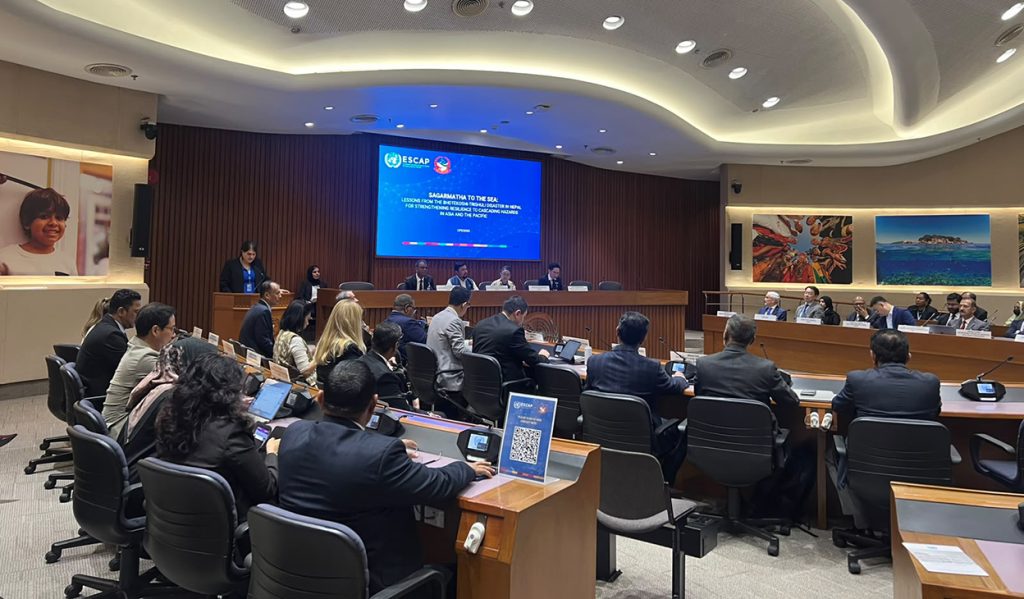
Biraj Bhakta Shrestha articulated the urgency of the moment during his speech. He stated, Let us create a permanent window for the rapid addressing of loss and damage and fill it with adequate funds. For monitoring and early warning in the high Himalaya, give grants, not loans. And let every investment, from hydropower on our riverbanks to border towns, be made risk-sensitive from source to sea. These words summarize the broader demand for structural change in how global development funding operates. They call for a system where survival is prioritized over profit margins.
As the dialogue concluded, the focus remained on the practical implementation of these agreements. The dialogue in Bangkok marked a turning point where technical solutions and financial mechanisms were aligned with political will. The involvement of 53 nations demonstrates that the challenge is viewed as a shared responsibility rather than a localized burden.
Today, the framework established in Bangkok stands as a reference point for future negotiations. The four proposals remain active elements in the strategy for Himalayan climate resilience. Space technology, knowledge sharing, grant-based finance, and risk-sensitive investment form the backbone of this new architecture. While the specifics of implementation will unfold over time, the foundation laid in October 2026 provides a clear direction. The mountain and the sea are no longer distant concepts but central points of policy coordination.