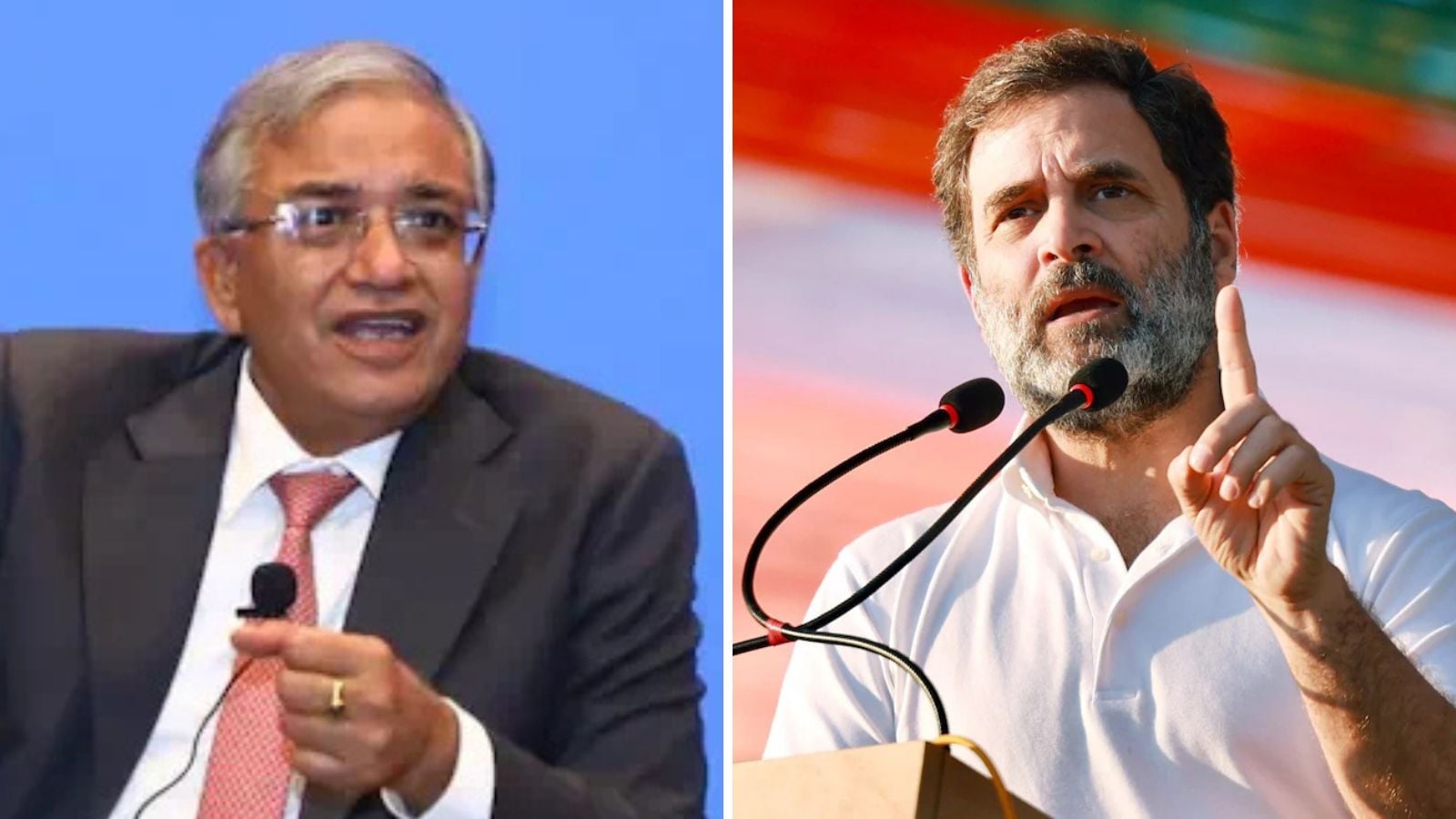
In the bustling commercial corridors of New Delhi, the atmosphere has grown increasingly tense. For the city’s business community, the prospect of a massive protest at Ramlila Maidan represents more than just a public demonstration; it is a looming economic disruption that threatens to paralyze the capital. On October 26, 2026, the Confederation of All India Traders (CTI), represented by Brijesh Goyal, reached out to Congress leader Rahul Gandhi. Their request was pragmatic and urgent: they asked for his intervention to postpone the planned protest, fearing that the resulting gridlock would halt commercial activity worth an estimated 10,000 crore rupees.
Rahul Gandhi’s response, however, bypassed the usual diplomatic pleasantries of political mediation. Instead of offering to negotiate the logistics of the protest or calm the temperature of the demonstrators, Gandhi reframed the entire conflict as a matter of executive accountability. He placed the burden of resolution squarely on the shoulders of the Prime Minister, suggesting that the business community’s anxiety was misplaced if they were looking to him to quell the unrest. For Gandhi, the path to stability in New Delhi is not found in the postponement of public dissent, but in the immediate removal of a specific official from the government’s ranks.

Rahul Gandhi Tells Traders How To End Ramlila Maidan Protest In '30 Seconds' https://t.co/rKbc4OTj3s
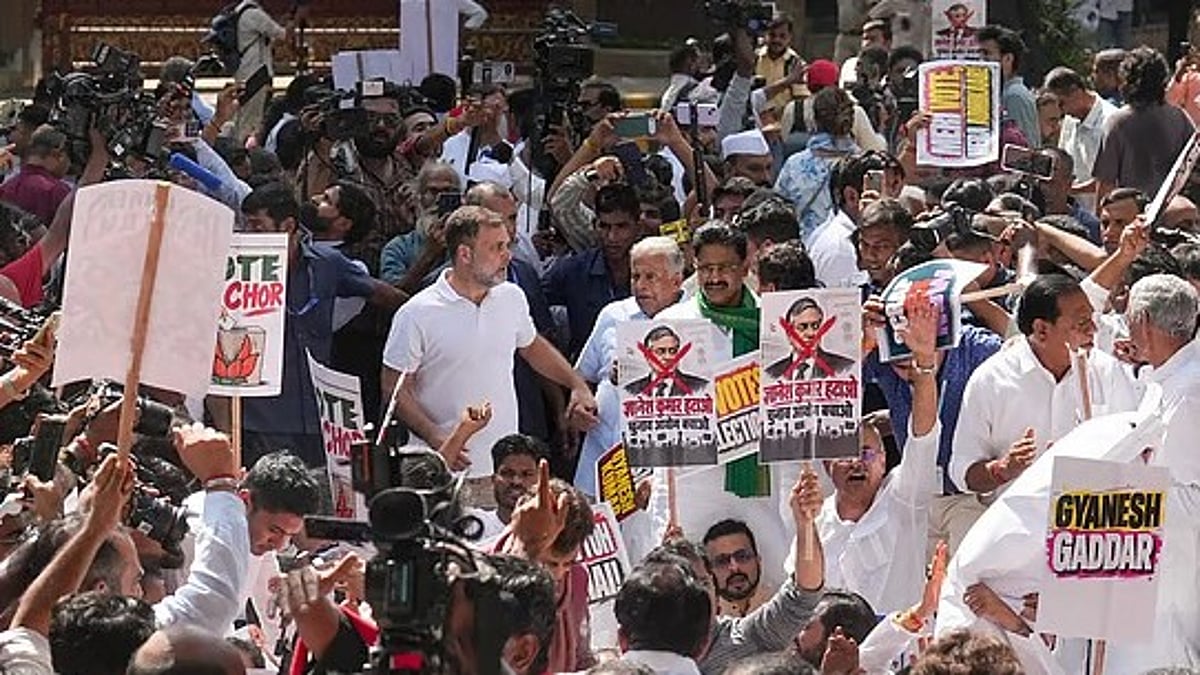
At the center of this political firestorm is Gyanesh Kumar, the Chief Election Commissioner. Gandhi’s rhetoric was stark and uncompromising, identifying Kumar as “accused no. 4” and insisting that his dismissal is the singular key to ending the volatility currently gripping the capital. By linking the survival of the protest to the fate of a high-ranking election official, Gandhi has effectively raised the stakes for both the government and the business sector. He told the traders, “Tell Modi to sack accused no. 4, Gyanesh Kumar and the protests will stop in 30 seconds.”
4” and insisting that his dismissal is the singular key to ending the volatility currently gripping the capital.
This exchange highlights a widening chasm between the concerns of the business community and the tactical priorities of the opposition. While Brijesh Goyal and the CTI are focused on the immediate, tangible loss of 10,000 crore rupees in trade, Gandhi is operating on a different plane of political warfare. He has signaled that the economic cost of the protest is a direct consequence of the government’s own appointments. By framing the protest as a switch that can be flipped off in half a minute, Gandhi has placed the Prime Minister in a difficult position: either ignore the demands and face the economic fallout, or concede to the opposition’s ultimatum regarding the Election Commission. As it stands, the protest remains a looming reality, and the business community finds itself caught between an immovable government and an opposition leader who sees their economic stability as a bargaining chip in a much larger, more volatile game.

STORY | Tell Modi to sack Gyanesh Kumar, protests will stop in 30 seconds: Rahul to traders Days after a traders' body urged him to postpone INDIA bloc's November 1 rally against "vote chori", Congress leader Rahul Gandhi on Monday asked the traders to tell Prime Minister Narendra Modi to "sack accused no. 4", Chief Election Commissioner Gyanesh Kumar, and said the protests will then stop in 30 seconds. "To every trader in Delhi: We love you and hear you. The Government shut the metro, sealed our roads and locked down our capital," Gandhi said on X. "With a stolen vote nothing is safe - your shop, your savings, your children's future," the Leader of Opposition in the Lok Sabha said. "Tell Modi to sack accused no. 4, Gyanesh Kumar, and the protests will stop in 30 seconds," he added. The Chamber of Trade and Industry (CTI) has urged Gandhi to postpone the INDIA bloc's November 1 rally at Delhi's Ramlila Maidan until after November 10, warning that it could disrupt business worth Rs 10,000 crore during the peak Diwali shopping season. In a letter to Gandhi, CTI chairman Brijesh Goyal said the rally could affect wholesale and retail markets around Ramlila Maidan at a time when traders expect heavy customer footfall ahead of Dhanteras and Diwali. READ: https://t.co/AUJ2zowTwE