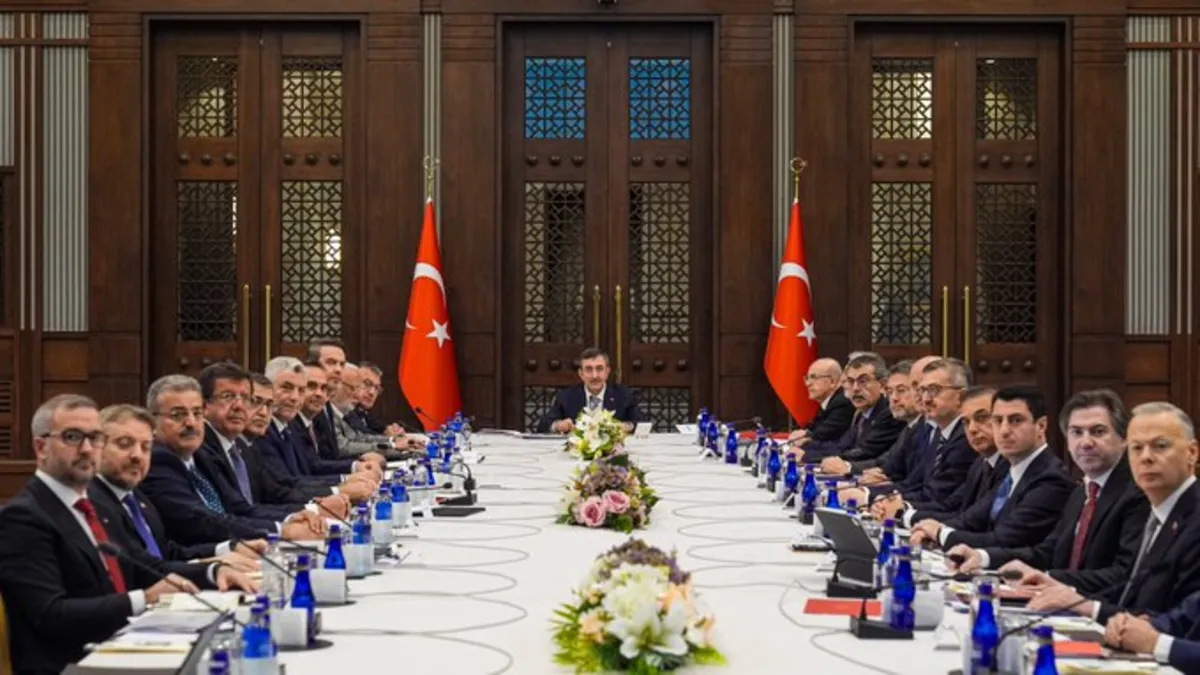
On 19 October 2026 the Economic Coordination Council (EKK) convened a four‑hour fund summit. The meeting’s working title noted that an interim payment would begin shortly, signalling a concrete step toward implementing financial measures discussed at the gathering. The session brought together key government officials to deliberate on the current economic landscape and the next steps for policy.
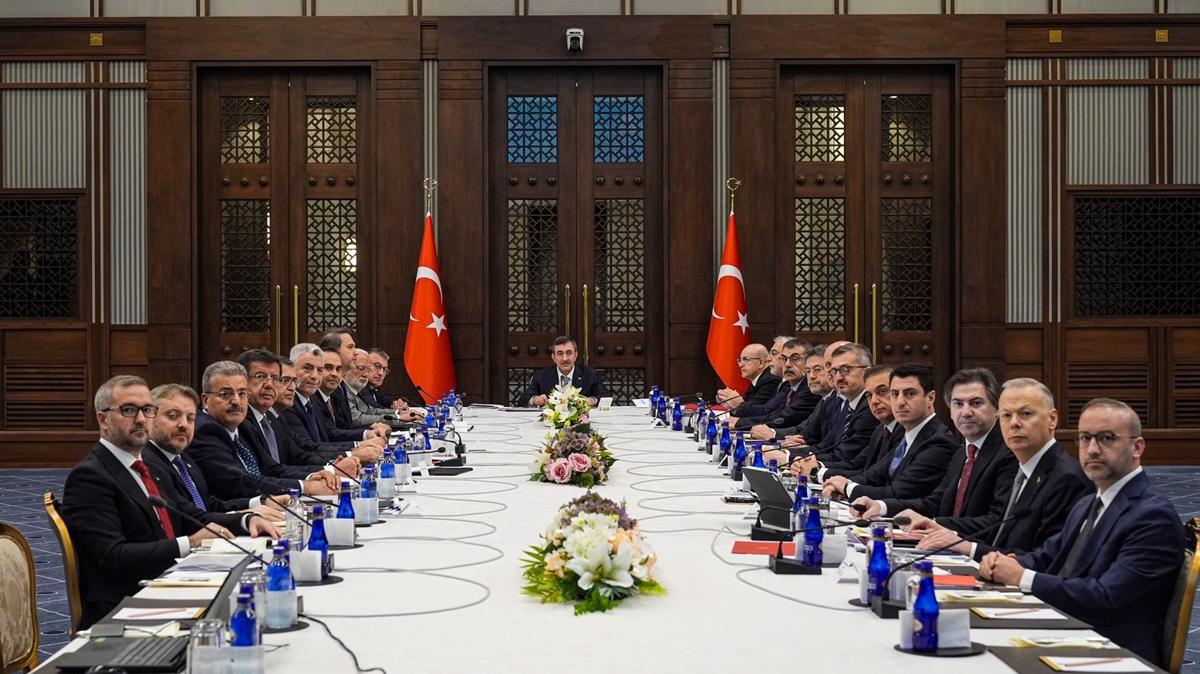
The EKK’s statement outlined the prevailing global economic challenges, citing high inflation, supply‑chain disruptions and the pressing need for economic resilience and sustainable growth. Officials stressed that the challenges require continued attention to both economic and educational policies to fortify the country’s position.
Cevdet Yılmaz, speaking at the meeting, said that thanks to the economic programme that has been applied, growth has attained a more balanced structure, unemployment and inflation have retreated, financial stability has been strengthened and fiscal discipline has been established. He added that the gains achieved must be preserved while boosting production capacity, productivity and competitive power to lay the foundations for sustainable and inclusive growth.
In parallel with economic advances, the council noted improvement in many international indicators, especially scientific research performance in higher education.
Officials highlighted that Turkey has risen in its rankings across all fields and is the sole OECD country that has improved its performance over the last ten years. This ten‑year span of improvement is presented as evidence of the effectiveness of the ongoing economic strategy.
In parallel with economic advances, the council noted improvement in many international indicators, especially scientific research performance in higher education. The forthcoming OECD PISA 2025 results were mentioned as a benchmark against which educational progress will be measured.
The summit’s agenda included discussion of an interim payment that is expected to start soon.
Taken together, the EKK’s conclusions portray a picture of an economy that has weathered external pressures through a coordinated policy mix, with measurable advances in growth, employment, price stability and education. The council’s emphasis on preserving these gains while expanding productive capacity points to a forward‑looking agenda aimed at sustaining the improvements highlighted in the OECD comparison and preparing for the upcoming PISA 2025 assessment.