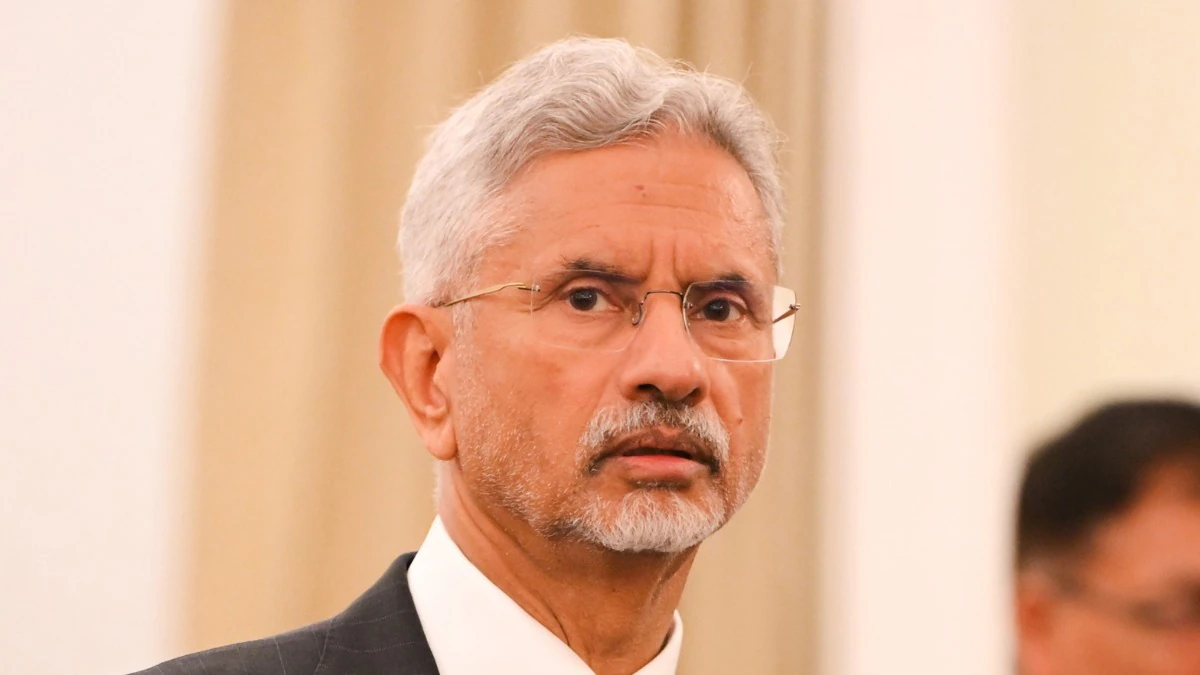
On October 25, 2026, the world’s attention turned to two very different stages. In the polished halls of a United Nations conference, India’s External Affairs Minister S. Jaishankar stood before a gathering of diplomats to denounce terrorism as a weapon of political ambition. Minutes later, he addressed a crowd marking the 75th anniversary of the Chinmaya Mission, reiterating the same message. The simultaneity of these remarks underscored a single conviction: terrorism, in any guise, is anathema to peace.

Jaishankar’s language was unambiguous. “The use of terrorism as an ‘instrument of statecraft’ is simply unacceptable, and it can never be justified or rationalised,” he declared. By framing terrorism as a policy tool rather than a fringe act, he highlighted a troubling trend where some actors still allow political calculations to trump humanitarian norms. The minister’s insistence that “terrorism is another deadly threat to peace” placed the phenomenon alongside conventional security challenges, demanding equal urgency.
Beyond condemnation, Jaishankar offered a prescription. He urged that “dialogue and diplomacy are the only solution,” positioning India as a voice for a negotiated world order. In the UN setting, he linked this stance to ongoing crises in Ukraine and West Asia, regions where armed conflict continues to test the limits of diplomatic resolve. By invoking these flashpoints, he reminded listeners that the specter of terrorism looms over every theater of war.
Senator Marco Rubio entered the conversation, defending Washington’s engagement with Pakistan.
The minister did not confine his appeal to high‑profile wars. He turned his gaze to the broader challenges confronting developing economies: spiralling financial pressures, volatile fuel markets, food insecurity, and a looming fertilizer crisis. A “sharper awareness about this common threat,” he said, is essential for nations already wrestling with basic survival, lest they become inadvertent breeding grounds for terror.
Later that day, at the Chinmaya Mission’s 75th‑year celebration, Jaishankar repeated his condemnation, this time emphasizing the “instrument of statecraft” angle. The setting—a cultural and spiritual gathering—added a moral weight to his words, suggesting that the fight against terror is as much a values issue as a security one. By aligning his message with a community event, he signaled that the battle against terrorism transcends political chambers and enters the public conscience.
The same afternoon, U.S. Senator Marco Rubio entered the conversation, defending Washington’s engagement with Pakistan.
Rubio’s defense and Jaishankar’s zero‑tolerance call illustrate a broader dilemma: nations must balance geopolitical imperatives with the ethical imperative to reject terror as a policy tool. Jaishankar’s critique that “some still allow political calculations to take precedence” directly challenges the rationale behind continued engagement with states where terrorism may be a lever of influence. The juxtaposition of these viewpoints on the same day underscores how divergent the global community remains on the issue.

Jaishankar concluded his dual addresses with a rallying cry: the world must develop “stronger resolve and counter terrorism in all its forms and manifestations.” He framed terrorism not as an isolated menace but as a collective threat demanding coordinated action. By invoking both diplomatic forums and cultural gatherings, he sought to weave a tapestry of consensus that stretches from high‑level policy rooms to everyday citizens.
The Indian minister’s unequivocal stance—terrorism is never justifiable—adds a clear moral compass to ongoing debates about engagement with countries like Pakistan. Whether that compass will steer global policy toward stricter counter‑terrorism cooperation remains to be seen, but the call for zero tolerance has been unmistakably sounded.
The convergence of Jaishankar’s condemnation and Rubio’s defense on a single day highlights the fragile equilibrium of modern geopolitics. As conflicts in Ukraine and West Asia persist, and as developing nations grapple with economic shocks, the pressure on governments to choose between strategic convenience and principled opposition to terror will intensify. The hope, articulated by India’s foreign minister, is that a unified, diplomatic front will ultimately prevail, rendering terrorism an obsolete instrument of statecraft.