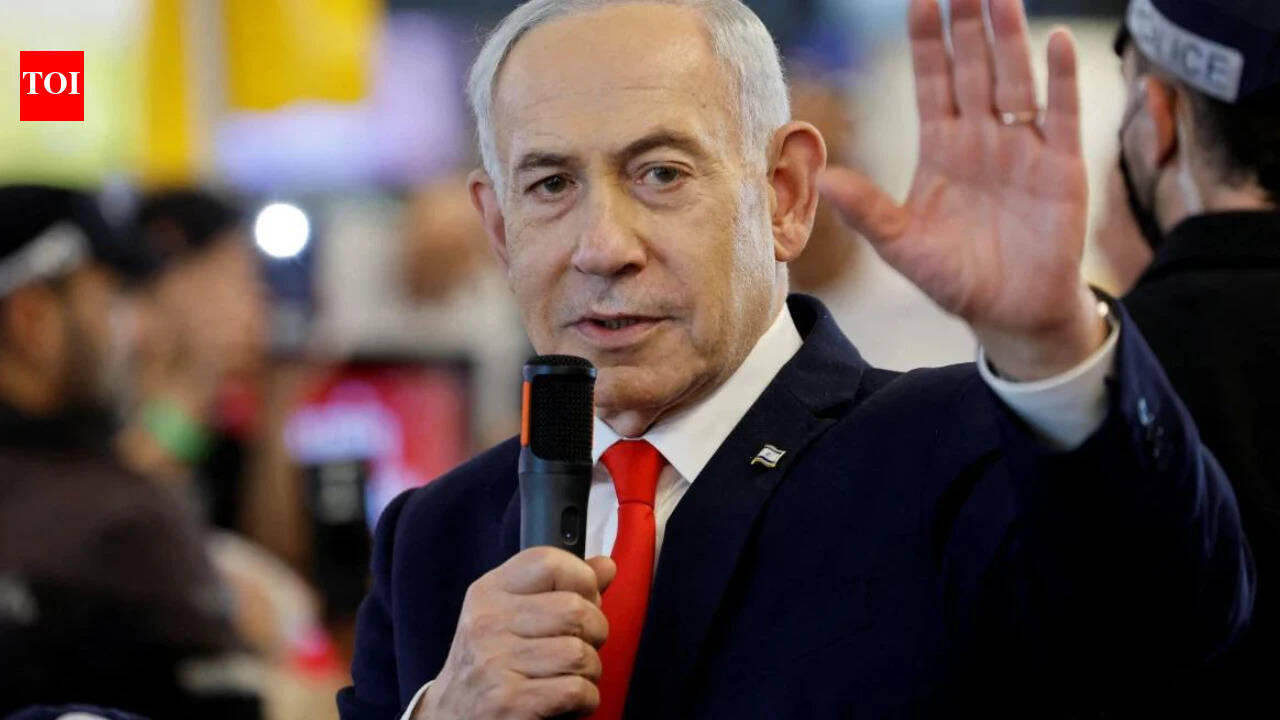
In the days leading up to Israel's elections, a brewing confrontation between Prime Minister Benjamin Netanyahu and IDF Chief of Staff General Eyal Zamir has come to light. The source of the tension? A proposed military operation involving Iran, a move that could dramatically impact the upcoming parliamentary vote.
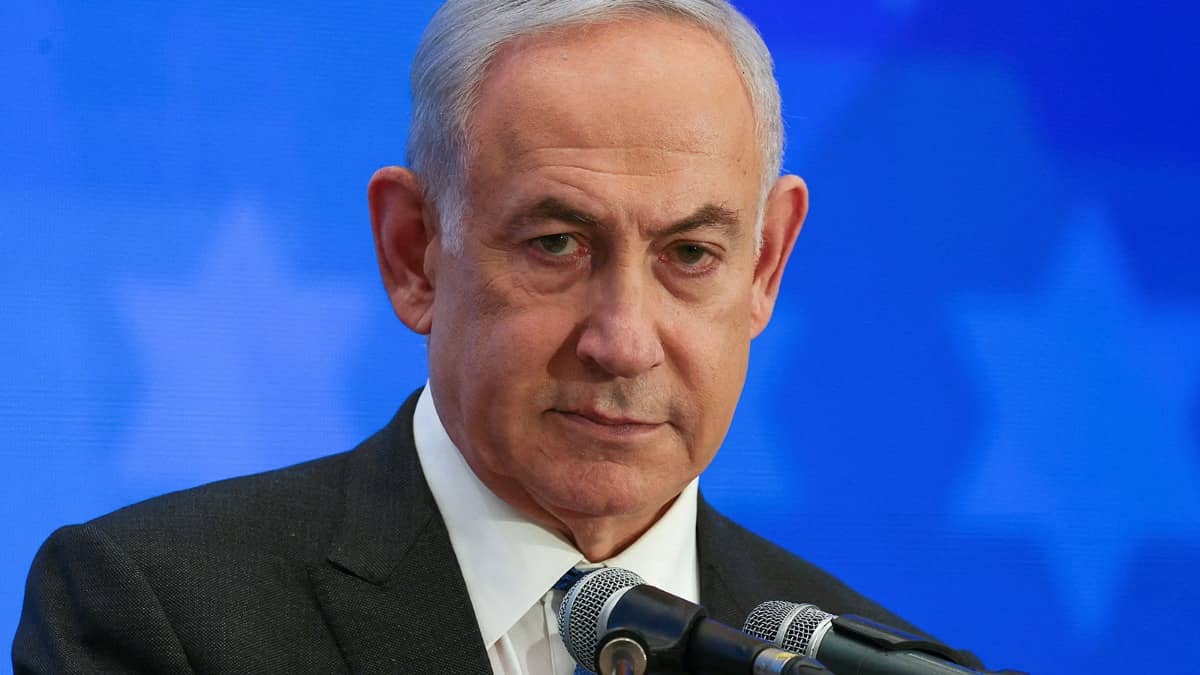
According to reports from Channel 12, General Zamir had been resisting the military action and sought further deliberations. In a move that suggests caution, Zamir reportedly sought formal written authorization from Netanyahu before proceeding. This step was taken to avoid any potential miscalculations, especially as Israel prepares to vote just two days later.

Iran's Baghaei: Meeting with Mecca Pact members in Tehran will tackle issues such as Israel's expansionist policies, Lebanon, and the US war against Iran
In a television interview, Netanyahu dismissed the allegations as nonsense. He firmly stated, 'There was no fight between us,' indicating a strong desire to maintain unity in the face of an upcoming election. Netanyahu's stance is crucial, as the election is just two days away, and the political atmosphere is tense. The prime minister's dismissal of the reports is a strategic move to keep the focus on his campaign.
He acknowledged that he directed the military and Mossad to pursue the overthrow of Iran's government, a move that aligns with his broader political agenda.
Adding to the political drama, US President Donald Trump endorsed Netanyahu, urging Israeli voters to support him. Trump reiterated his endorsement, saying, 'To the people of Israel, to those who haven’t seen it, I am attaching the Endorsement I gave one week ago to your Prime Minister, Bibi Netanyahu.' He urged citizens to back the prime minister, adding, 'Vote for Bibi Netanyahu for Prime Minister, we have to finish the job that we started.'

BREAKING: Iran's IRGC warns that if the US targets Iranian infrastructure, Iran will "bring the Arabs back to the age of camels and sandals," and "destroy every last piece of infrastructure in the entire region as if it had never existed," per IRIB. This is in direct response to Trump's threat to strike all Iranian power plants, bridges, and energy sites starting next week.
General Eyal Zamir, the IDF Chief of Staff, is portrayed as a cautious figure. He sought further deliberations and signed legal documentation to ensure the operation would be carried out with due care. Zamir's actions reflect a desire to avoid any unintended consequences, especially given the sensitive nature of the operation just two days before the election. His stance is neutral, focusing on the operational aspects of the potential military action.
Netanyahu, on the other hand, has a strategic interest in maintaining control over military operations. He acknowledged that he directed the military and Mossad to pursue the overthrow of Iran's government, a move that aligns with his broader political agenda. Netanyahu's directives underscore his intention regarding security strategy, highlighting the complex interplay between military strategy and political maneuvering.
The upcoming elections in Israel are critical, with Netanyahu facing a challenging race. The Iran issue, while complex, offers him a platform to rally support. By dismissing the reports of a disagreement with Zamir, Netanyahu is attempting to present a united front, a move that could strengthen his position in the eyes of the electorate. The election is scheduled for a time just two days after the reported clash with the IDF chief. The timing of the reports and Netanyahu's response are strategic, aiming to keep the focus on his political agenda rather than internal military disagreements.
The clash between Netanyahu and Zamir over Iran highlights the delicate balance between military strategy and political maneuvering. As Israel prepares to vote, the Iran issue looms large, serving as a reminder of the complex geopolitical landscape. The reports of a disagreement between the prime minister and the IDF chief underscore the tension between military caution and political expediency. Netanyahu's dismissal of the reports is a strategic move, aimed at maintaining unity and focusing the electorate on his broader political goals. The broader implications of this clash are significant, as they reflect the intricate interplay between military operations and political campaigns in the lead-up to a crucial election.
As Israel heads to the polls, the tension between Netanyahu and Zamir over Iran's future remains a key issue. The reports of a potential disagreement highlight the complex dynamics at play, as the prime minister seeks to use the Iran issue to his advantage in the upcoming election. The strategic moves by both Netanyahu and Zamir reflect the broader geopolitical context, where military operations and political campaigns are often intertwined. The election will be a critical moment, as the nation grapples with the implications of these reports and the broader geopolitical landscape.