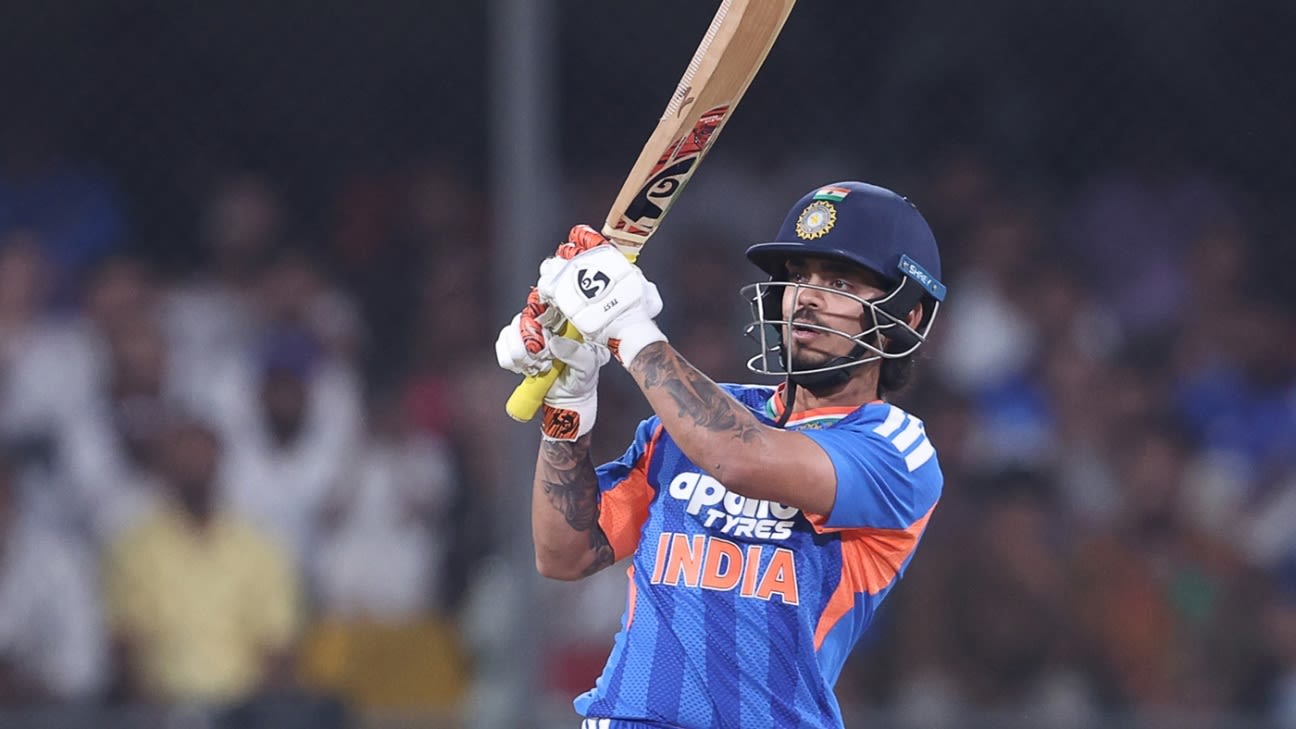
The first T20 International between India and New Zealand was supposed to be a showcase of aggressive intent. Instead, it became a lesson in adaptability, defined by a narrow four-wicket victory and a lingering question mark over the team’s middle order. The margin of victory was slim, but the narrative shift was significant. At the center of this turbulence is Ishan Kishan, whose absence from the upcoming second match has forced the Indian management to reconsider its strategic approach just days into the three-game series.
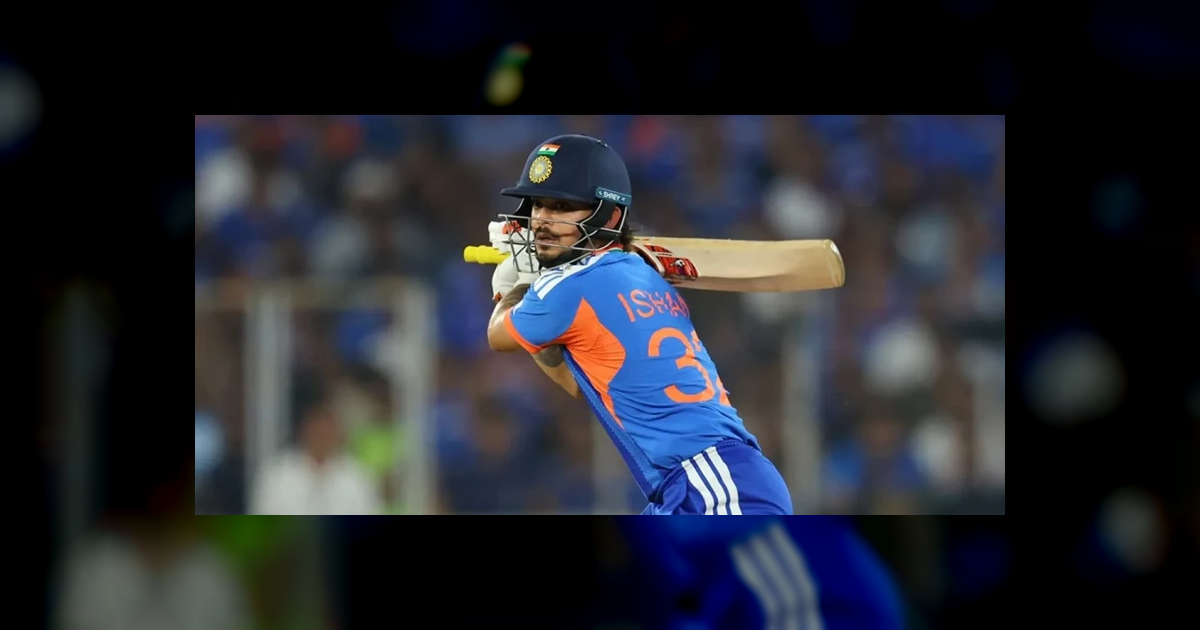
Kishan, 28, sustained a low-grade right adductor strain during the first match, an injury that has now ruled him out of the encounter scheduled for Saturday in Christchurch. The origin of the strain appears to be twofold: a combination of physical stress during play and a late-night mishap that compounded the issue. While the exact details of the off-field incident remain part of the internal team dynamics, the medical reality is clear. A slight bruise in his right leg, initially dismissed as minor, has escalated to a point where playing would risk further damage. The Board of Control for Cricket in India (BCCI) is currently monitoring his recovery, hoping he can return for the subsequent matches in Wellington, Auckland, and Hamilton.
The impact of Kishan’s absence is immediate and structural. In the first match, India chased down a target score of 226, a feat accomplished through a resilient batting display that relied heavily on the contributions of Sanju Samson and Shreyas Iyer. Samson faced 33 balls, anchoring the innings with crucial stability, while Iyer provided momentum with 28 balls faced. Naman Dhir also made his presence felt, contributing with 15 balls faced. However, the absence of Kishan disrupts the intended flow of the batting order. His role as a dynamic finisher or mid-order aggressor is no longer available, forcing the remaining batsmen to carry a heavier burden.
Sitasun Kothak noted that "Ishan Kishan was troubled by groin injury, hence sent to bat late in the previous match.
This disruption has opened a door for Vaibhav Sooryavanshi. Previously selected for the West Indies tour but sidelined due to selection issues during the New Zealand series opener, Sooryavanshi’s chances of playing have significantly increased. The team management is evaluating his fitness and suitability for the Christchurch pitch. If selected, his inclusion would not only fill the void left by Kishan but also introduce a fresh variable to the lineup. Sooryavanshi’s potential debut comes at a critical juncture, where every run and wicket carries disproportionate weight in a tight series.
The tension surrounding the injury was palpable even before the match concluded. Sitasun Kothak noted that "Ishan Kishan was troubled by groin injury, hence sent to bat late in the previous match." This tactical adjustment was an attempt to minimize Kishan’s exposure to the fielding side and reduce the strain on his injured muscle. It was a precautionary measure that ultimately proved insufficient to prevent the injury from worsening. The decision to rest him for the second match reflects a long-term view of the series, prioritizing player health over short-term gains.
For India, the challenge is now one of depth. Without Kishan, the middle order must absorb more pressure. The success of the team will depend on how well Samson, Iyer, and any new additions like Sooryavanshi can maintain the aggressive tempo required to chase high totals. The first match demonstrated that India has the firepower to compete, but consistency requires a full-strength squad. The next few days will be crucial for Kishan’s rehabilitation and for the emerging players to prove their readiness.
As the series moves to Christchurch, the focus shifts from individual brilliance to collective resilience. The four-wicket win in the first game was a testament to India’s ability to grind out results under pressure. But maintaining that edge without one of its key contributors will test the team’s adaptability. The BCCI’s neutral stance on the matter underscores the professional approach to player management, ensuring that decisions are based on medical advice rather than emotional reactions.
Vaibhav Sooryavanshi stands on the precipice of opportunity. His performance in the coming days could define his place in the national setup. For Kishan, the hope is a swift recovery. For the rest of the team, the task is to step up. The second T20 match is not just about winning a game; it is about proving that the system works even when plans go awry. The injury has disrupted the rhythm, but it has also highlighted the depth and flexibility that modern cricket demands. How India responds will set the tone for the remainder of the series.